by
by The ability of brands to establish themselves as credible brands increases the likelihood of an ongoing authentic relationship with consumers through purpose driven storytelling rather than through traditional advertising methods to create an emotional bond between the two.
As the competition increases, it is essential for brands to differentiate themselves from other competing brands based on purpose rather than on volume. As such, purpose driven content marketing is becoming a primary means of establishing and developing a business relationship built upon trust and loyalty.
Creating Consistent Meaning

Consistency across messaging, platforms and campaigns will enhance the credibility of the organization’s purpose. When organizational messaging is aligned with the actions of an organization, trust can build substantially.
Understanding the connection between purpose-driven content and building audience trust will allow organizations to define how they are building audience trust and increase the focus of purpose-driven content in building audience trust.
How Purpose Content Builds Audience Trust Over Time
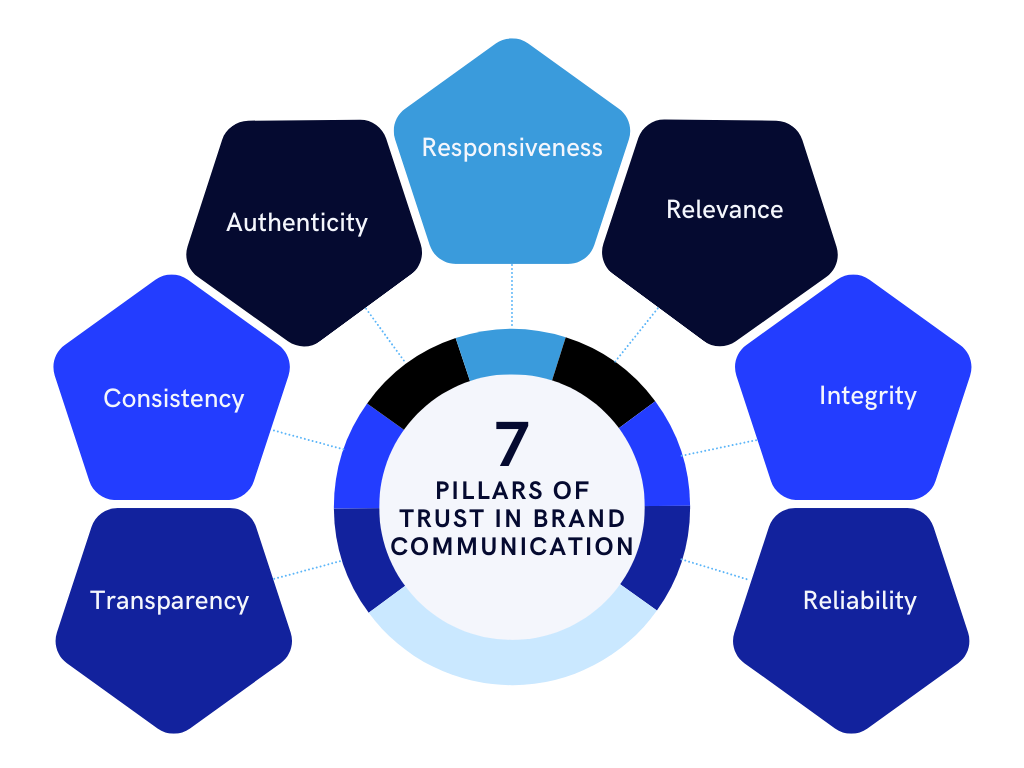
When marketing materials are seen as genuine, open, and aligned with people’s actual behaviours there is a sense of trust created by the audience. Brand purpose content allows brands to speak directly to their reason for being without making exaggerated claims.
According to research conducted within multiple industries by companies such as Edelman, one of the major factors in a customer’s decision making is trust.
Authentic communication and transparency
The use of authentic storytelling is enhanced by the fact that brands who can communicate openly about their hurdles and milestones are much more relatable to the audience, as opposed to brands who give off the impression of being “perfect.”
The transparent communication built by these companies helps to build credibility with their audience over time.
Consistency across all touch points
Trust is built based on the consistent messaging of the same purpose by an organisation.
Demonstrated in actions
Companies who take action to pursue their stated purpose are viewed by the audience as credible and trustworthy. Purpose content will typically highlight measurement on the impact created or lists of partnerships created.
Building Purpose-Based Communities
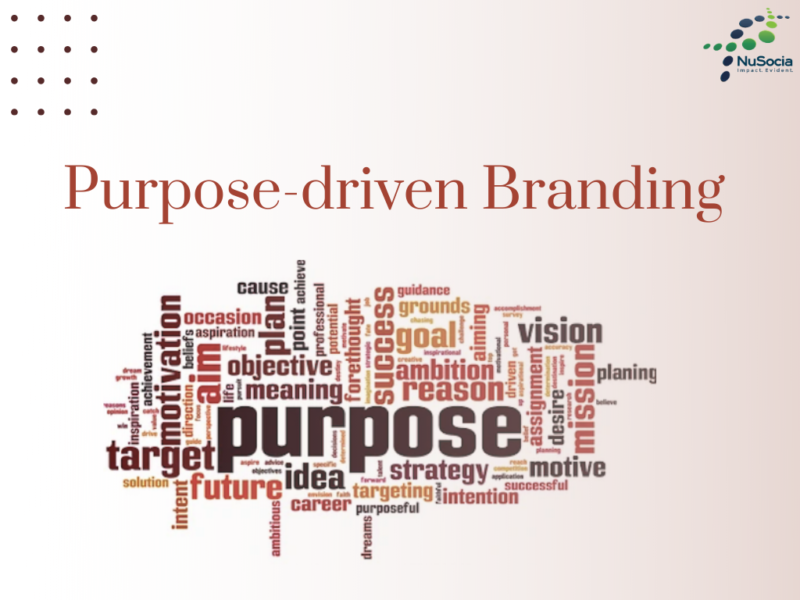
Through the storytelling and creation of a purpose-based community, a brand will create a community of people who are committed to the same ideals and values.
Customers who are loyal to the purpose-driven brand will often become advocates for the brand through sharing the brand’s story through organic channels. The loyalty of these customers creates an opportunity for brands to differentiate themselves based on the purpose-driven brand proposition in competitive markets.
Long-Term Relevance Through Purpose
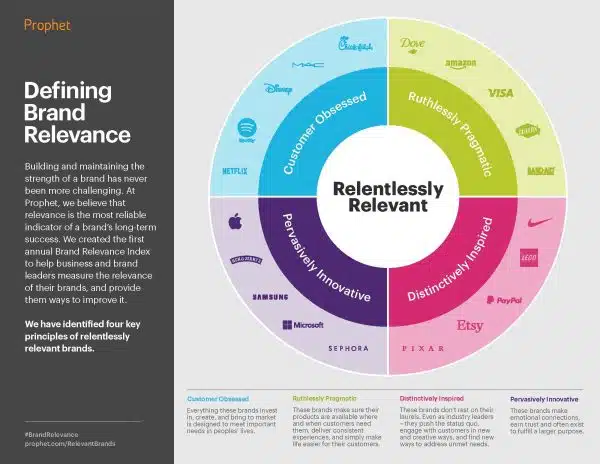
Companies that communicate their purpose will continue to be relevant as trends change, and that continuity will enable those companies to allow for the easy integration of purpose into other aspects of their overall content marketing strategies.
Integrating Purpose Content Into Content Marketing Strategies
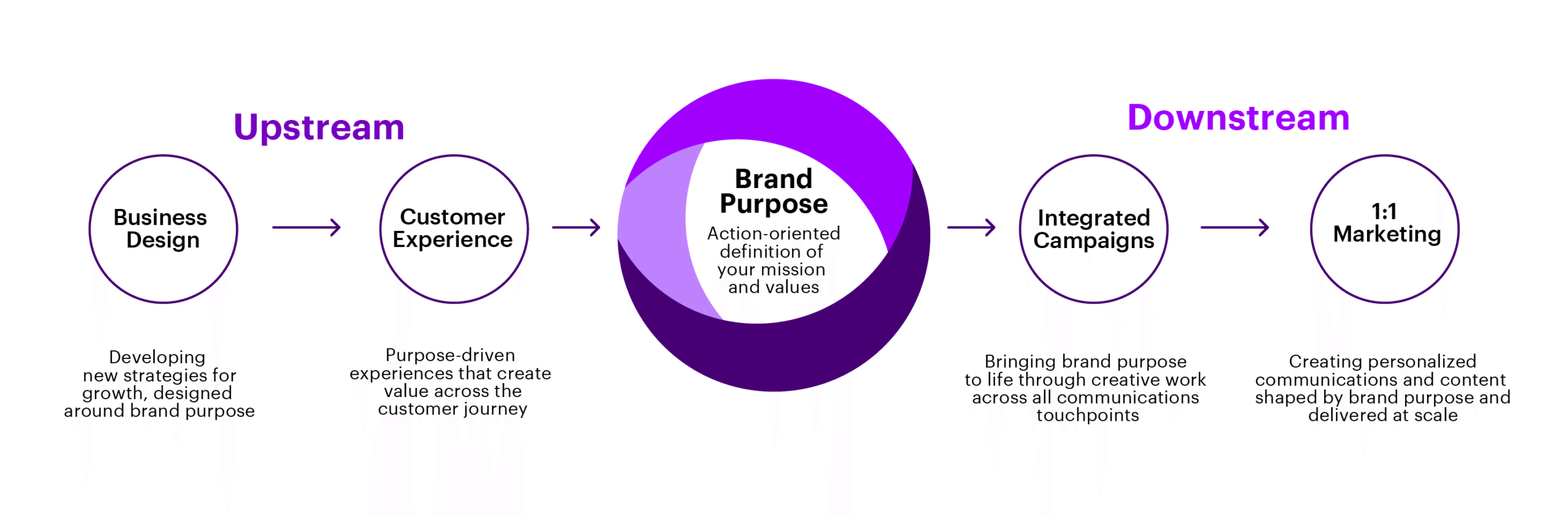
Integrating purpose-driven content with all content marketing strategy creates the most impact from a brand’s effort. Organizations should see purpose as their guiding principle instead of only a campaign theme.
Being integrated into a brand’s story creates consistency and credibility.
Incorporating Purpose into Content Planning
The influence of the brand’s purpose should drive the topics, formats, and publishing schedules. Often, a brand’s editorial calendar illustrates its values in addition to business goals.
Therefore, when all content is planned and executed, the content aligns and strengthens the message of the organization.
Leadership Alignment and Internal Culture
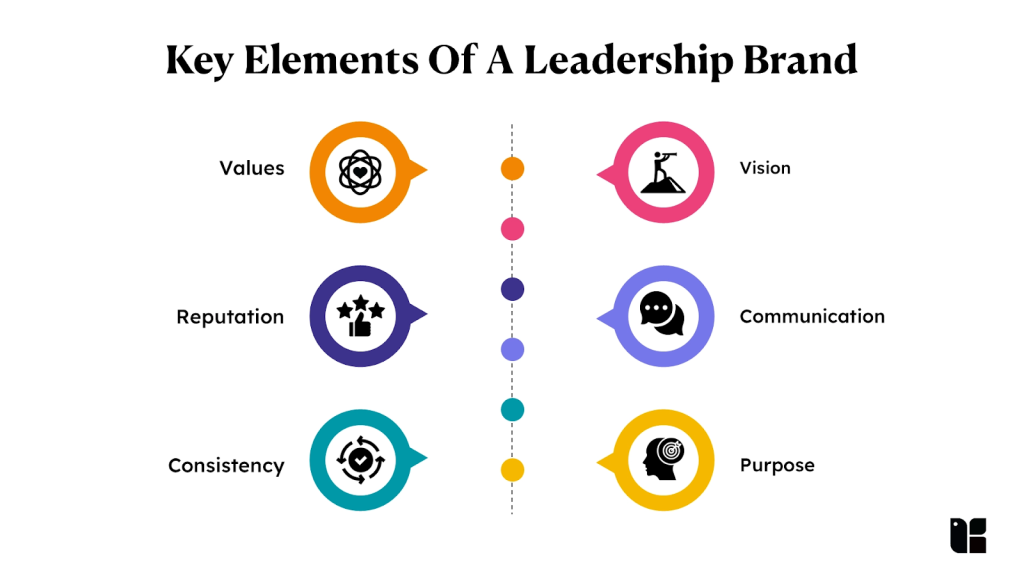
Audiences can see when a company’s leadership’s values are aligned with the messaging that the company presents to the public.
Leaders set the tone for a brand’s purpose. The beliefs and decisions of leaders are often included in a company’s brand purpose.
When leaders are able to effectively communicate their values to all areas of an organisation, their employees will have the same values and consistently communicate these values throughout the organisation.
The public communication of leaders is especially effective in reinforcing brand purpose.
Having a strong internal culture allows for realistic stories to be told externally. When a company’s employees see, hear and believe in a company’s purpose, they become natural storytellers for the brand.
Scaling Purpose Driven Content Responsibly
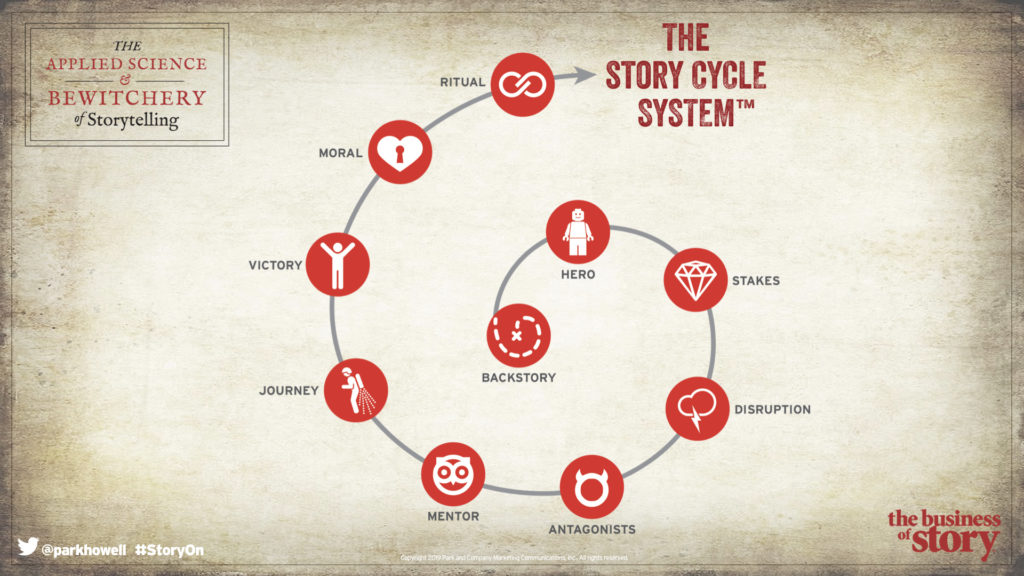
While Purpose Driven Content is important to Brands, it needs to be Scaleable. A Brand will Blush out Brand Storytelling as a Brand Grows.
As such, the Brand Content Marketing has to maintain the clarity and consistency of the Purpose Content while distributing on a greater scale.
Frameworks, Global Reach, and Technology
The use of Clear Frameworks will allow Brand Marketing Teams to Scale the Brand Storytelling Process in a Responsible Manner. By creating Brand Guidelines, Brand Marketing Teams can specify the Tone, Values, and Boundaries of Brand Narratives.
When Scaling Purpose Content, Cultural Differences must be taken into account in order to not Alter the Core Values of that Purpose. By Balancing these two Elements, Brands will be able to Reach Global Audiences, while maintaining their Brand Identity.
Technology can Assist with Scaling Purpose Content if it is used properly. For instance, implementing Shared Content Systems and Collaboration Tools, will greatly reduce Duplication, Mistakes, and Confusion.
The Responsible Scaling of Purpose Driven Storytelling allows Brands to Remain Relevant and Meaningful to Larger Audiences. As Brands Grow, they will face new Consistency Challenges in the Long-Term Execution of Purpose Driven Content.
Maintaining Brand Storytelling Consistency Over Time

Consistency is one of the most significant obstacles in purpose-driven content marketing as campaigns continue to grow over time and the objective remains visible and credible on all marketing materials. Inconsistent storytelling could potentially erode the trust of the audience.
To keep a brand consistent for a long time period, brands have to put in writing their vision, mission, and surrounding communication to focus on.
Aligning Purpose With Ongoing Communication
Through content audits, brands can identify a gap between the organization’s brand purpose and how they are communicating that purpose. Analyzing past content helps to determine whether or not the content being published is still reflective of the organization’s stated values and serves as a safeguard against drift as a result of trends or short-term goals.
For an organization to maintain consistency, it also relies heavily on having an internally aligned organization. When all employees know, understand, and believe in the organization’s brand purpose, the storytelling aspect feels more natural to them and serves to establish accountability.
This discipline will enable organizations to measure their purpose, as well as provide the opportunity for optimization of their storytelling efforts.
Measuring the Success of Purpose-Driven Content
Using Behavioral Data to Understand Engagement
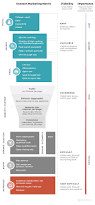
The way that consumers have engaged with or reacted to purpose content can be tracked through Behavioral Data. This data includes, among other things, time on the page, return visits, and sharability of content.
This information can provide a good indication of the emotional connection that consumers feel to purpose content. The data from behavioural metrics is a better indication of engagement than metrics such as clicks or impressions.
Improving Strategy Through Measurement
Measurement should guide improvement of the effectiveness of purpose-driven content; therefore, insight gained from measuring the effectiveness of purpose-driven content should be utilised to enhance the development and execution of purpose-driven communications as a means of meeting and exceeding consumer expectations of future audiences.
The Future of Brand Storytelling Through Purpose-Driven Content

To be trusted in the future, brands will need to provide future consumers with “purposeful” or “values-driven” media content and the means to easily access it. Purpose-driven content provides consumers with a reason to believe in the brand’s mission or values and ultimately find emotional significance in their overall experiences with that brand.
As such, more and more competitive positioning will be driven by brands’ ability to convey the reason they exist through purpose-driven content. Purpose-driven brands have developed stronger emotional connections with consumers by clearly communicating a commitment to their purpose and to creating a better world for all of us.
The World Economic Forum has also identified how purpose-led brands are adapting successfully to the increasing rate of societal and cultural change.
Role of Technology and Accountability
In addition to how brands convey their “purpose” through content, technology also plays an important role in how brands will communicate through content in the future. The growing capabilities of data, personalization, and interactive mediums continue to provide brands with new methods for expressing their values, mission, and purpose, so long as the technology is being utilized to help advance the purpose rather than substituting for authenticity.
Growth of Purpose-Driven Content in Digital Marketing

Content that is created with a purpose has grown tremendously in the last five years within Digital Marketing.
When brands communicate their values effectively it allows for better connection between brands and their consumers; building a much stronger Human connection both emotionally and physically as compared to the traditional view that content was just advertising.
Trust, Loyalty, and Long-Term Engagement
By supporting the message in purpose content with consistent actions Companies are building Trust with their Audiences. Trust established over time creates bonds that strengthen Brand Loyalty and Gardens Greater Engagement.
Companies who create Purposeful Content will ultimately succeed in a Market that is Driven by Values.