by
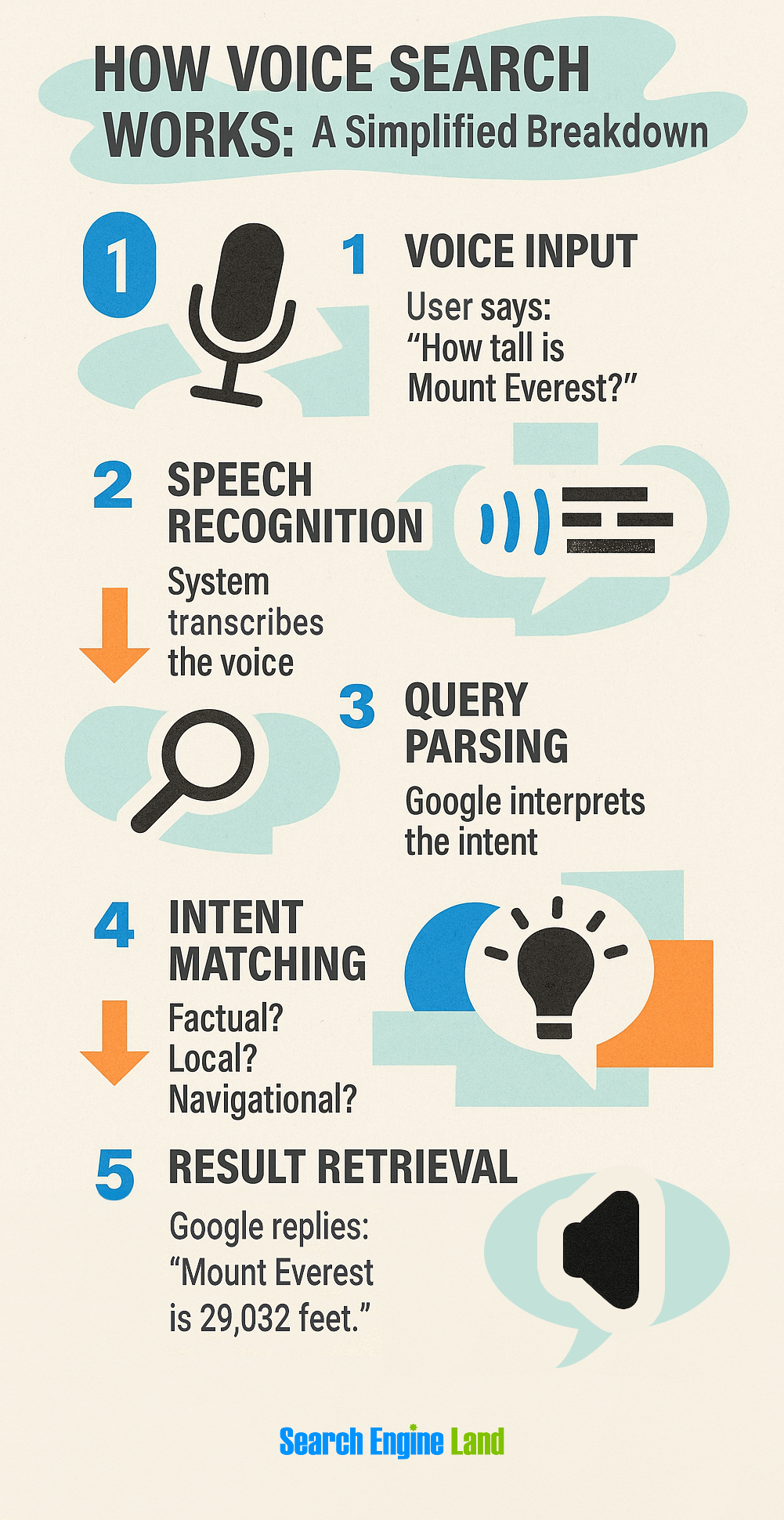
by The rate of evolution of content marketing has increased due to the increased number of users using voice search when looking for information on the internet. The use of smart speakers (e.g. Amazon Echo, Google Home), mobile assistants (e.g. Siri), and in-car voice systems is changing the type of interactions that users have with devices (e.g. asking a question and expecting an answer) as well as what they will expect in future interactions.
These changes force content marketing teams to re-evaluate their traditional SEO approach and how to define and optimize their content for the future.
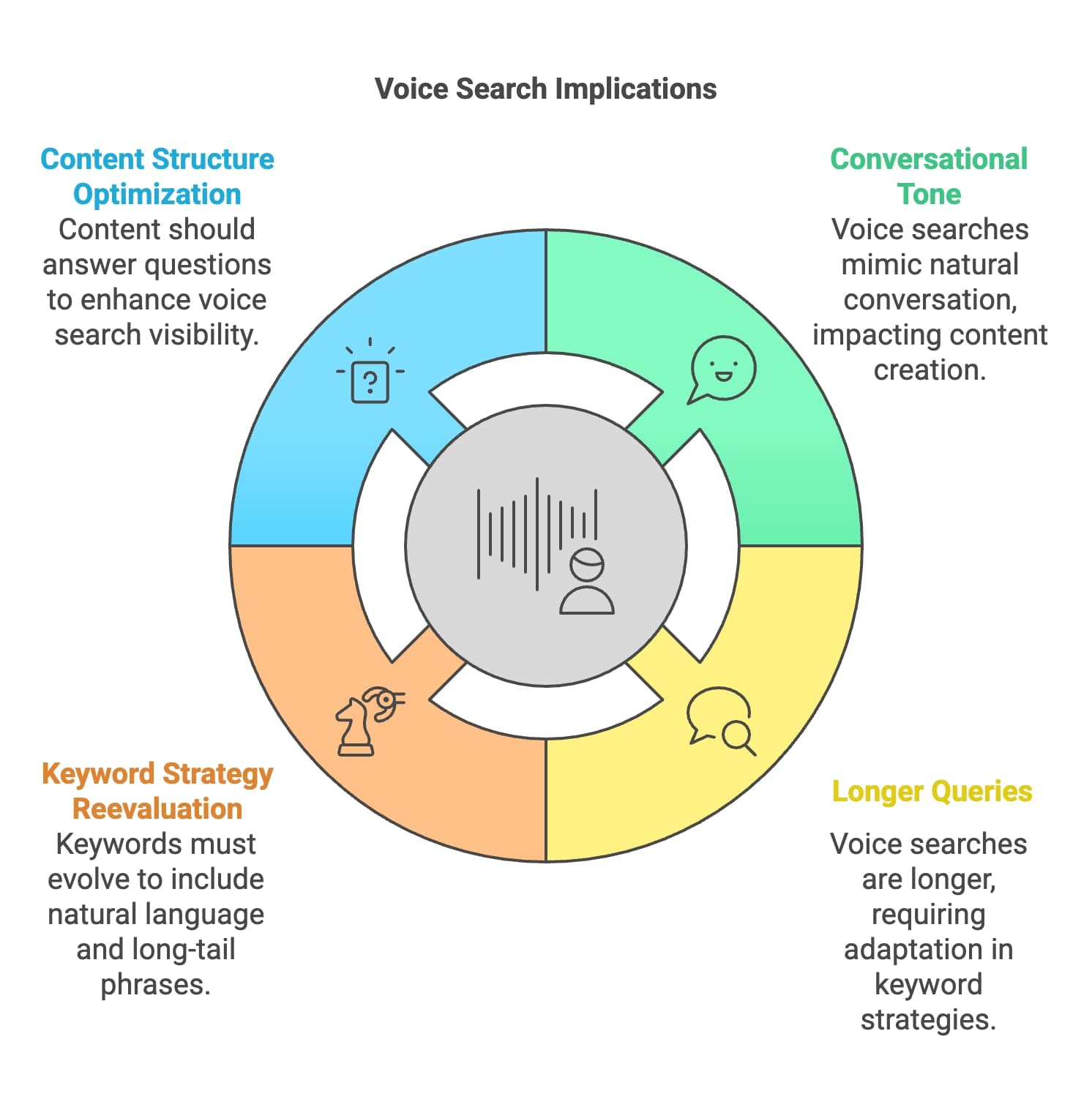
The content produced for voice search should reflect what is known as conversational style and intent-heavy (expressing an intention or desire).
Users are now searching using complete sentences rather than just typing short keyword phrases; therefore, content should be written in a manner that meets that expectation.
Content marketing should not only reflect the types of searches but also, for the user’s benefit, provide the best possible solutions for what they want. This is especially true for those who are conducting voice searches from mobile devices since they may be looking for quick answers (e.g. directions) or immediate solutions.
Tools to Support Voice Search Keyword Research
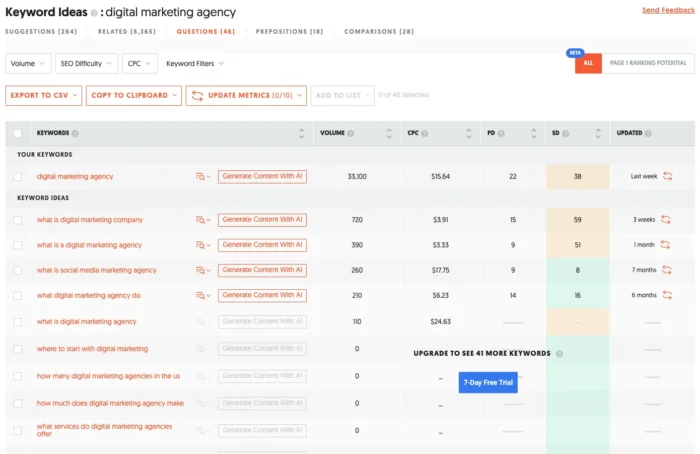
There are many different platforms, most notably Google Search Console and Google Autocomplete Suggestions, which help marketers identify what types of conversational keywords their target audience is using to conduct a search.
Data from voice-enabled devices, such as Amazon Alexa, will also provide great insight into the increased usage of voice search.
If marketers use the insights from these tools to develop content marketing strategies based on how their audience actually behaves, they will then be able to apply both on-page and technical voice search optimization strategies to their websites.
Keywords = Mobile-First Voice Behavior

The majority of voice search usage occurs through mobile devices during the day. Users are often engaged in various activities while commuting, shopping and/or multitasking, and therefore, in order to remain competitive, content marketers must place a priority on mobile usability for their respective products and/or services.
When Google indexes sites for ranking purposes, they are currently doing so based on mobile-first indexing. If a brand website does not perform well on mobile devices, its visibility could diminish in both traditional and voice search results.
Having a responsive design has become a necessity for successful mobile presence.
Consistency in Performance & Technical Factors

The time that it takes to load pages will determine whether you will be successful with voice search optimization. If users are using voice commands to solicit answers, the expectation is that they will receive an answer right away. Delays in loading decrease the likelihood of success in both engagement and building user trust at a rapid rate.
Google provides several tools to assess performance in order to identify issues with speed restraints such as loading speed. When optimizing images or scripts or hosting, these adjustments will have a positive impact on rankings and the ability to reach a wider audience.
The more consistent that a device’s performance is, the more reliable voice search will be. Clean coding and stable layouts improve how search engines see your website. Fewer technical walls will be a benefit to content marketers.
To support scalable growth of content strategy, strong mobile foundations are required to support all local voice search opportunities.
Strategies to Expand Audiences Using Local Voice Search
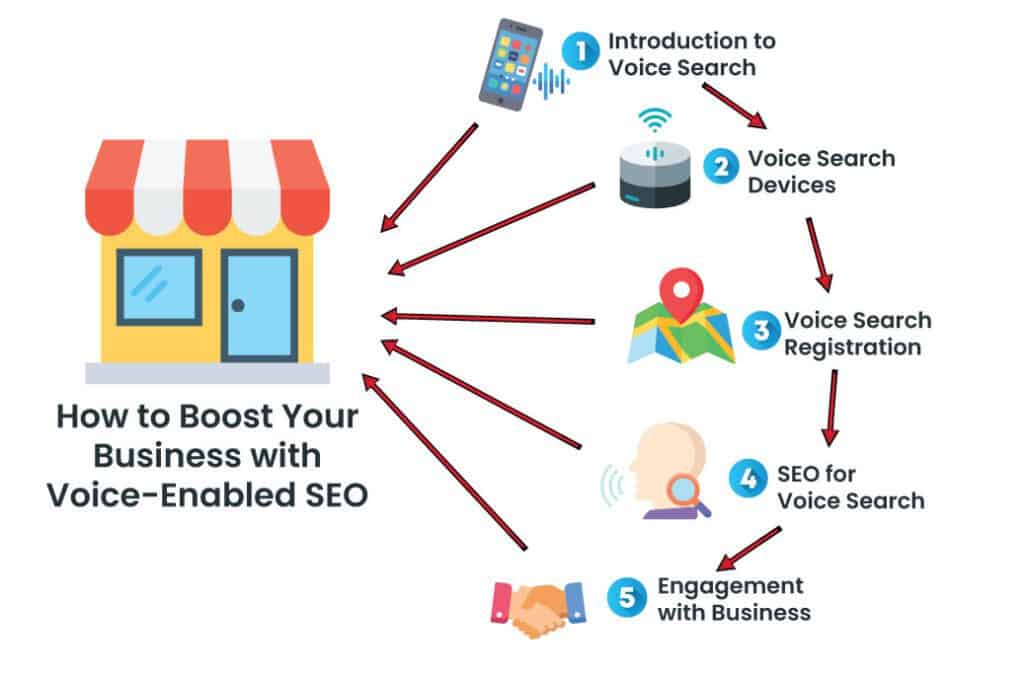
Understanding Local Voice Intent
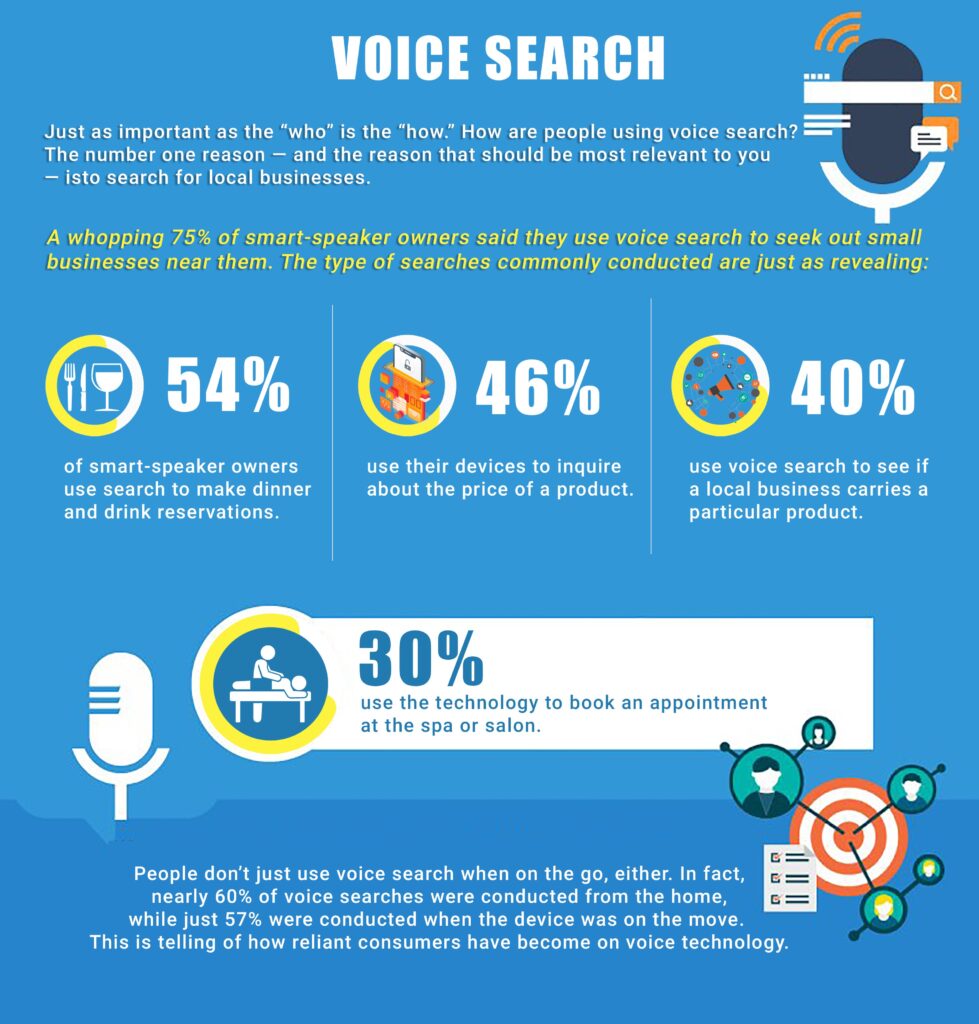
Voice search queries are made by people seeking businesses, services or directions to nearby locations. Consequently, content marketing must identify these needs.
To improve your brand’s relevance and connect with consumers at key moments of decision, use local keyword phrases and reference geographic locations in your content.
Optimizing Your Business Listings

Correctly Optimizing Your Business Listings on various listing and review platforms provides several opportunities for your business to receive increased trust signals from local voice assistants. Verification of business data is essential for local voice results to be returned.
Key platforms include Google Business Profile, Yelp, etc. Consistent business information should be available on all platforms in order to avoid confusion and to maximize the potential for local voice visibility.
The Role of Reviews in Improving Trust with Local Authorities
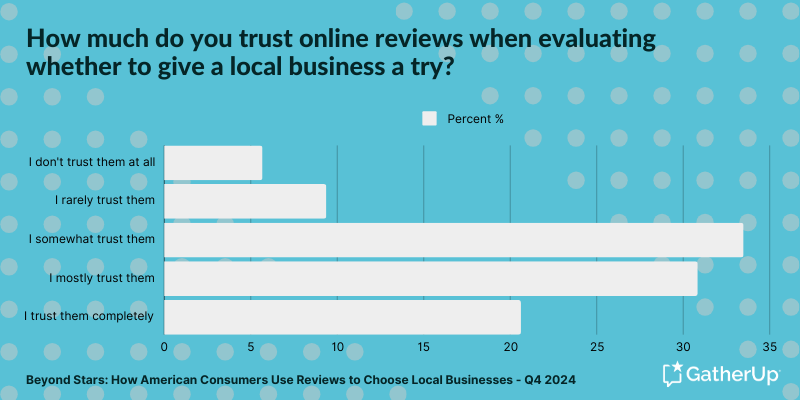
Furthermore, the business will also be perceived as being relevant to the consumer’s needs when moving through the decision-making process.
The combination of high-quality reviews and local authority will result in an increase in audience reach and brand trust. The above focus leads directly to optimizing content tone for voice search.
Optimizing Content Tone for Voice Search Engagement

Voice Search Likes Conversational Language
Content that sounds “natural” (human) gets found in voice search. Your audience will build trust in the content you create by providing answers they can understand. This will also help engage readers that “scan” content quickly, as the tone will lend itself to clear interpretation.
Your Content Should be Written for Spoken Responses

You should write your content to feel like an answered spoken question instead of a formal article. For voice delivery, short, concise explanations are preferred. Using clear wording will increase the likelihood that a voice assistant will select your response.
To create a successful tone for your content, you should use these principles:
-
Use natural phrasing. The opposite of using technical jargon.
-
First answer the question, then elaborate on it.
-
Keep the explanation friendly and simple to follow.
-
Balance simplicity with depth
When you use this balance between simplicity and depth, you will enhance your overall seo efforts and better prepare your content for additional discovery.
Optimizing your tone goes hand in hand with creating responsive structures for your content to ensure that your audience receives information clearly when they conduct voice searches.
Structuring Content to Provide Voice-Optimized Answers
Sub Headings and Clear Sections
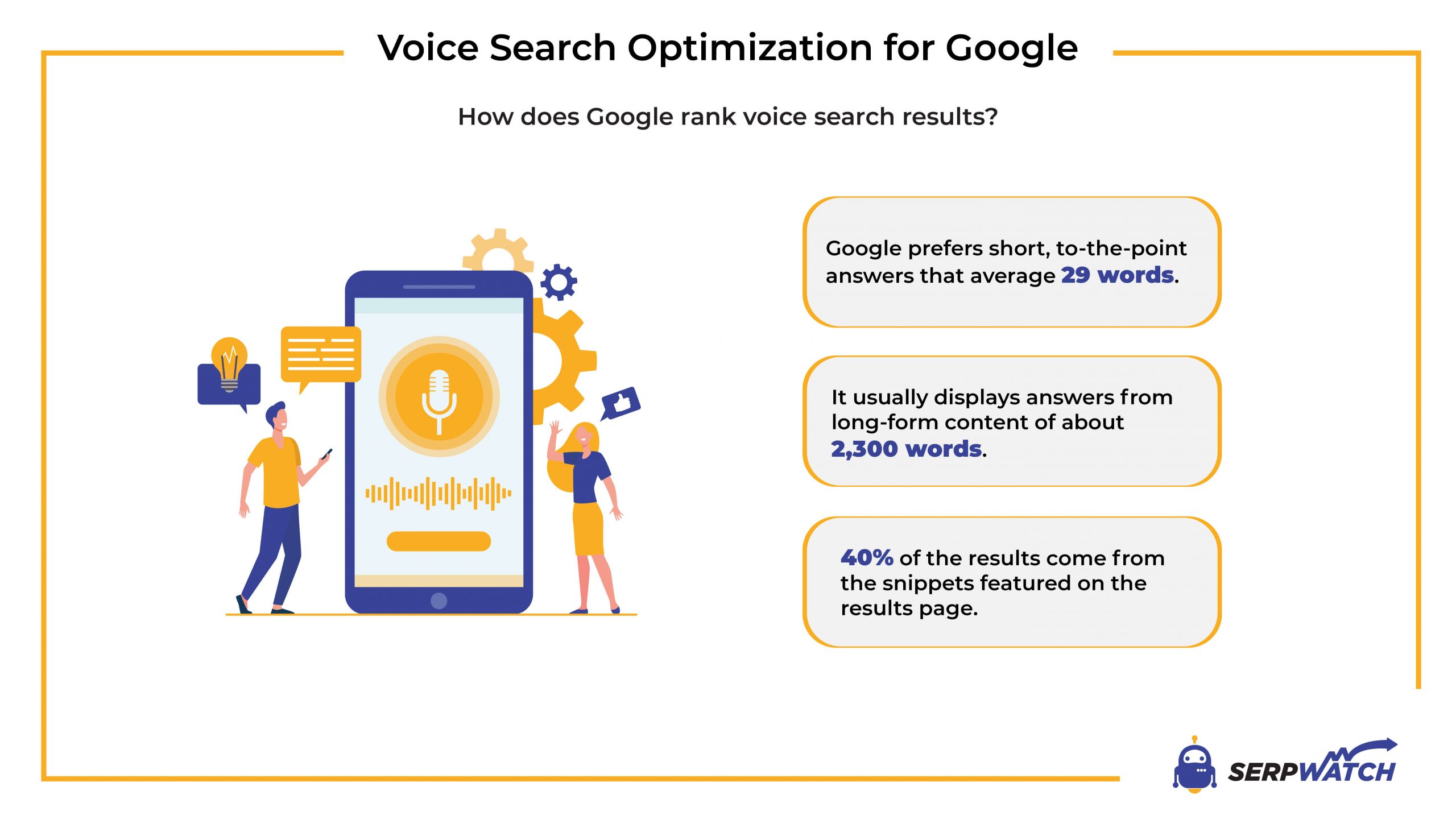
In order to assist voice assistants in obtaining the exact answer to your audience quickly and accurately, you need to create clearly defined structures for your content.
The headings and sub headings should represent the questions your audience is most commonly asking.
As a result, this will increase the likelihood that home users and search engines will “scan” your content quickly.
Frequently Asked Questions (FAQs) And Lists
FAQ format works remarkably well for voice search since it aligns with how people verbally ask questions.
Lists are also a useful tool for presenting complicated concepts in a clear manner.
Strong formats for this type of content are:
-
Sections of questions and answers focused on a specific inquiry.
-
Bullet-point lists that summarize benefits or steps.
-
Summary sections located underneath headings.
Supporting Skimmable Layout
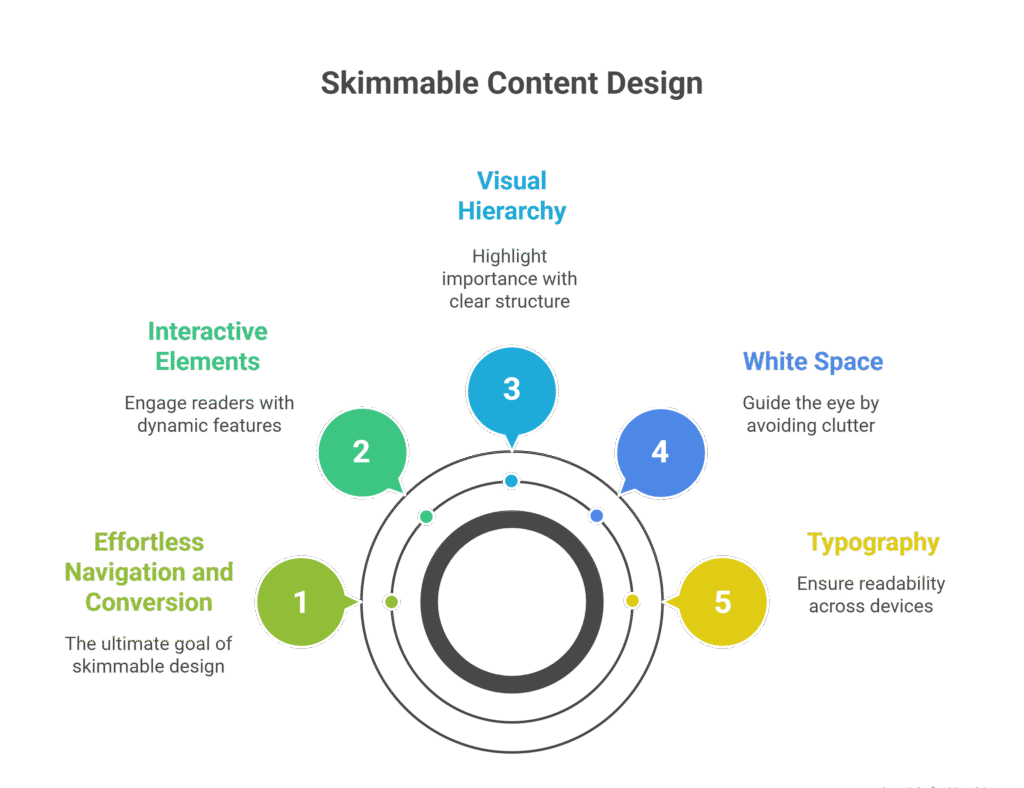
Skimmable formats are a positive attribute for both user experience and voice compatibility.
Readability is enhanced by making paragraphs shorter and formatting consistently.
The overall effect of using skimmable layouts will support the highest-performing content strategies.
Additionally, structured layouts naturally lead to optimizing content with schema and markup.
Schema Markup & Voice Search Visibility

Importance Of Schema
Schema markup helps search engines to better understand the meaning of content.
As it relates to voice search, schema markup can improve the likelihood that you will be chosen as an answer when you respond to a voice query.
Content marketed through digital means will be able to maximize contextual signals provided through schema markup.
Schema markup also contains additional information regarding the content’s purpose and diverts users to what he/she expects to find.
Use schema markup correctly to enhance the ways your digital Assistant can interpret the content on your page.
Most Effective Types Of Schema
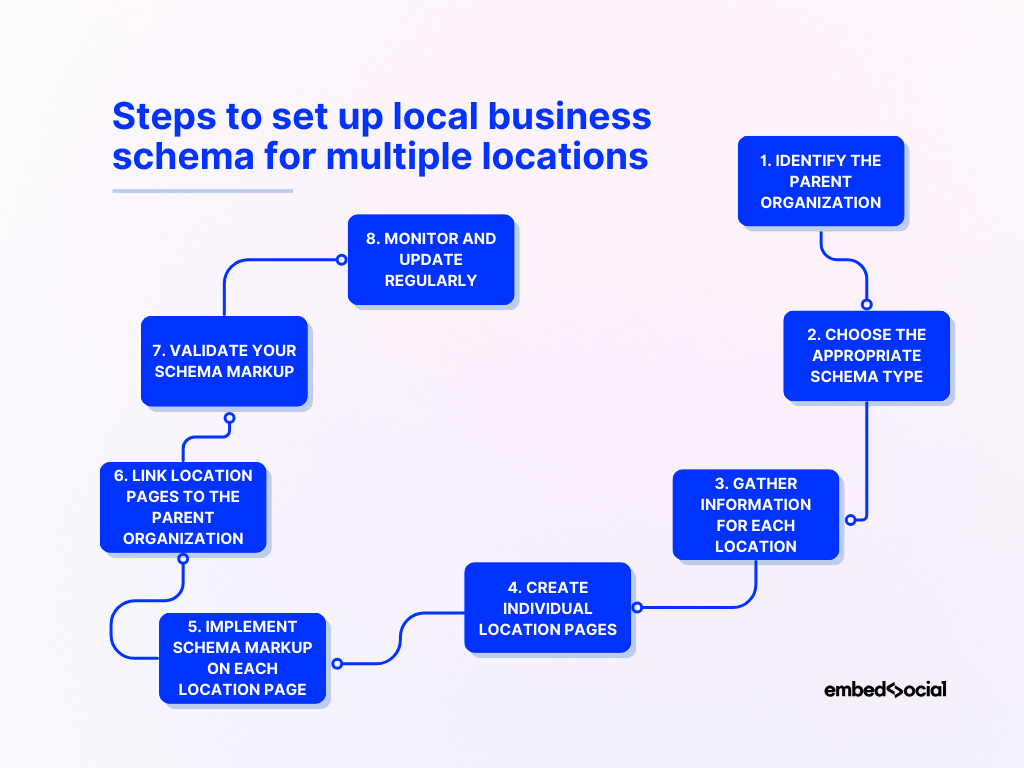
There are particular schema formats that are very supportive of voice-optimized content:
-
FAQ schema to effectively display question/answer-type content.
-
How-To schema for displaying instructional guidelines.
-
LocalBusiness schema for effective location-based searches.
Ways To Incorporate Schema Effectively
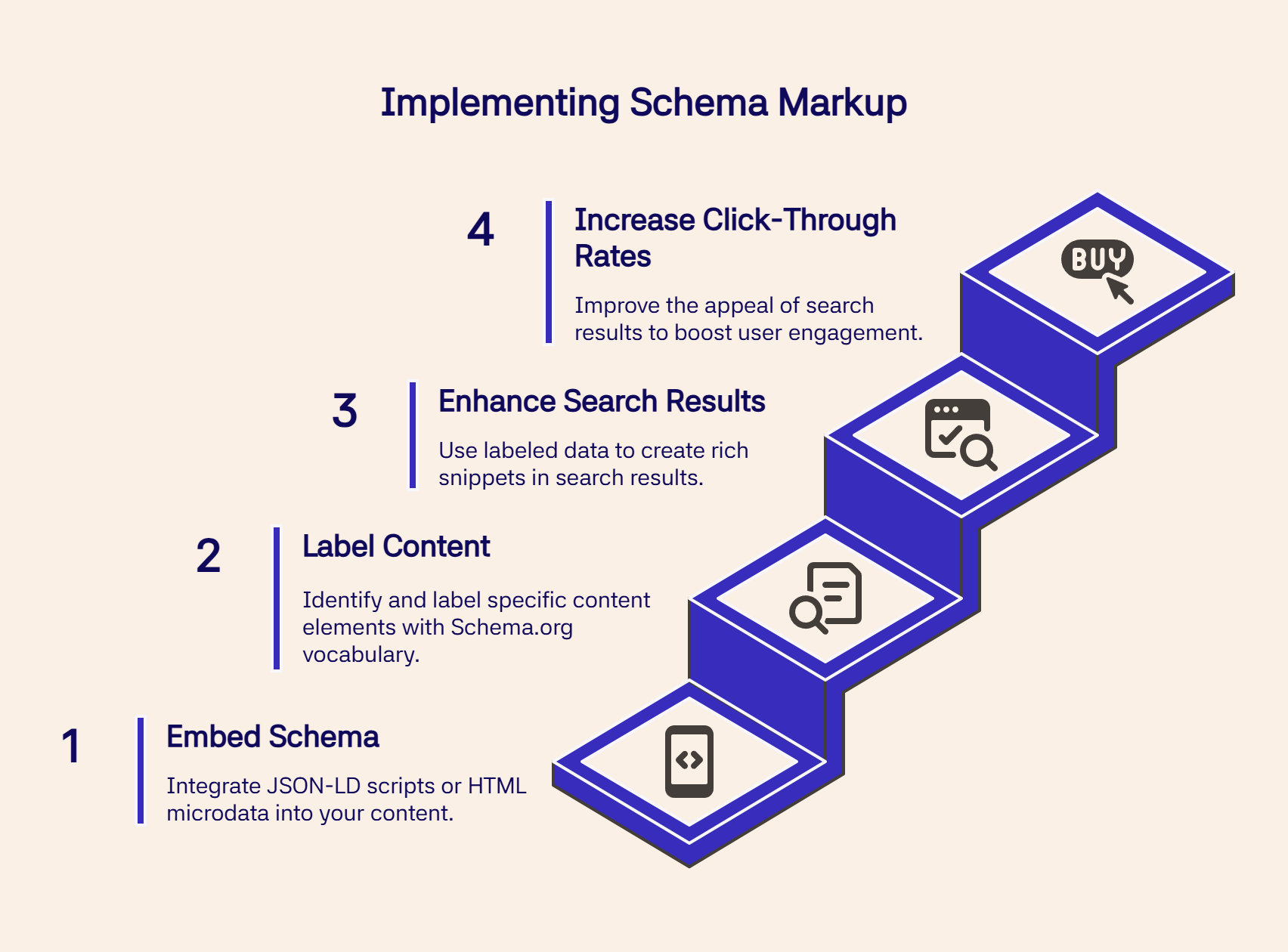
Schema should be used in addition to quality writing not instead of it.
Effectively applying schema to your main pages will increase content’s findability while avoiding confusion for readers.
The goal for your content marketing team is to consistently apply accurate schema markup is the most important aspect of your schema markup strategy.
Proper schema markup strengthens the use of Search Engine Optimization strategies and sets up your content results for use in the Voice Ability Markets.
From here, you can start measuring the performance of your Voice Search through Content Marketing.
How To Measure Voice Search Performance In Your Content Marketing
As a means of measuring the impact that voice searches create with you, the metric you choose to assign to your performance will be different from those you assign to traditional search engines (SEO).
As with all search engine statistics/insights, voice queries may be hidden among other types of searches when viewed through your standard search engine.
Feature snippets, question/answer queries, and mobile engagement trends should be regularly tracked by all marketers working on content marketing campaigns.
When people start requesting more and more conversational-based keywords, they will likely begin using voice search as well.
Tracking patterns related to increased search frequency for either type of keyword will help all marketers see changes in performance due to increased visibility through voice search.
Understanding these patterns will ultimately help content marketers make more informed decisions regarding their content optimization strategies going forward.
Analytics Tools That Are Useful
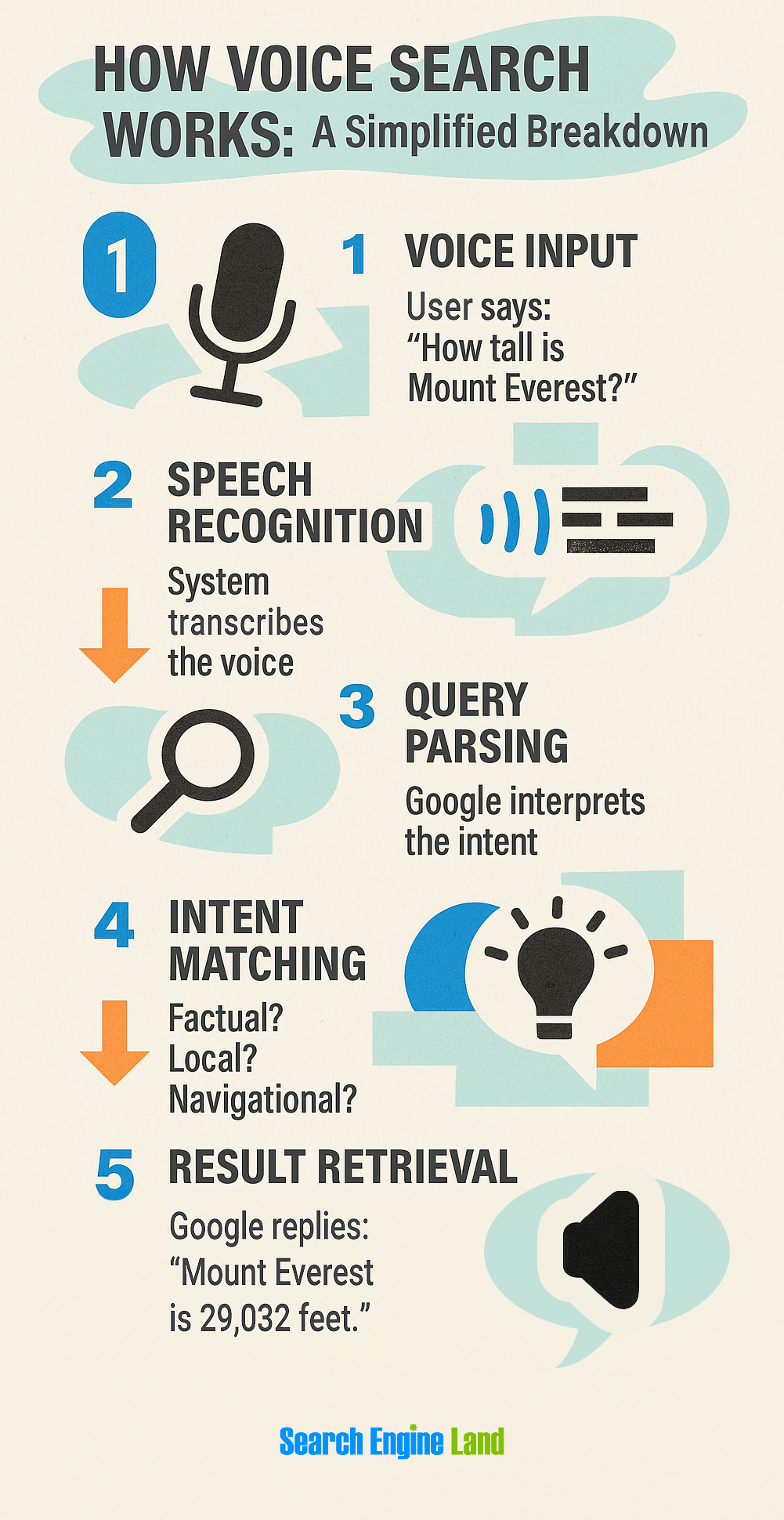
Analytics tools from Google Search Console provide insight into how successful content indicating voice search is.
Google Analytics provides a view of the behaviour of users on those pages.
High-growth indicators to monitor closely include:
-
High Growth of Long-Tail Query Formulation
-
Long Mobile Sessions
-
High Engagement on FAQ-Type Pages
Connecting Data to Strategy
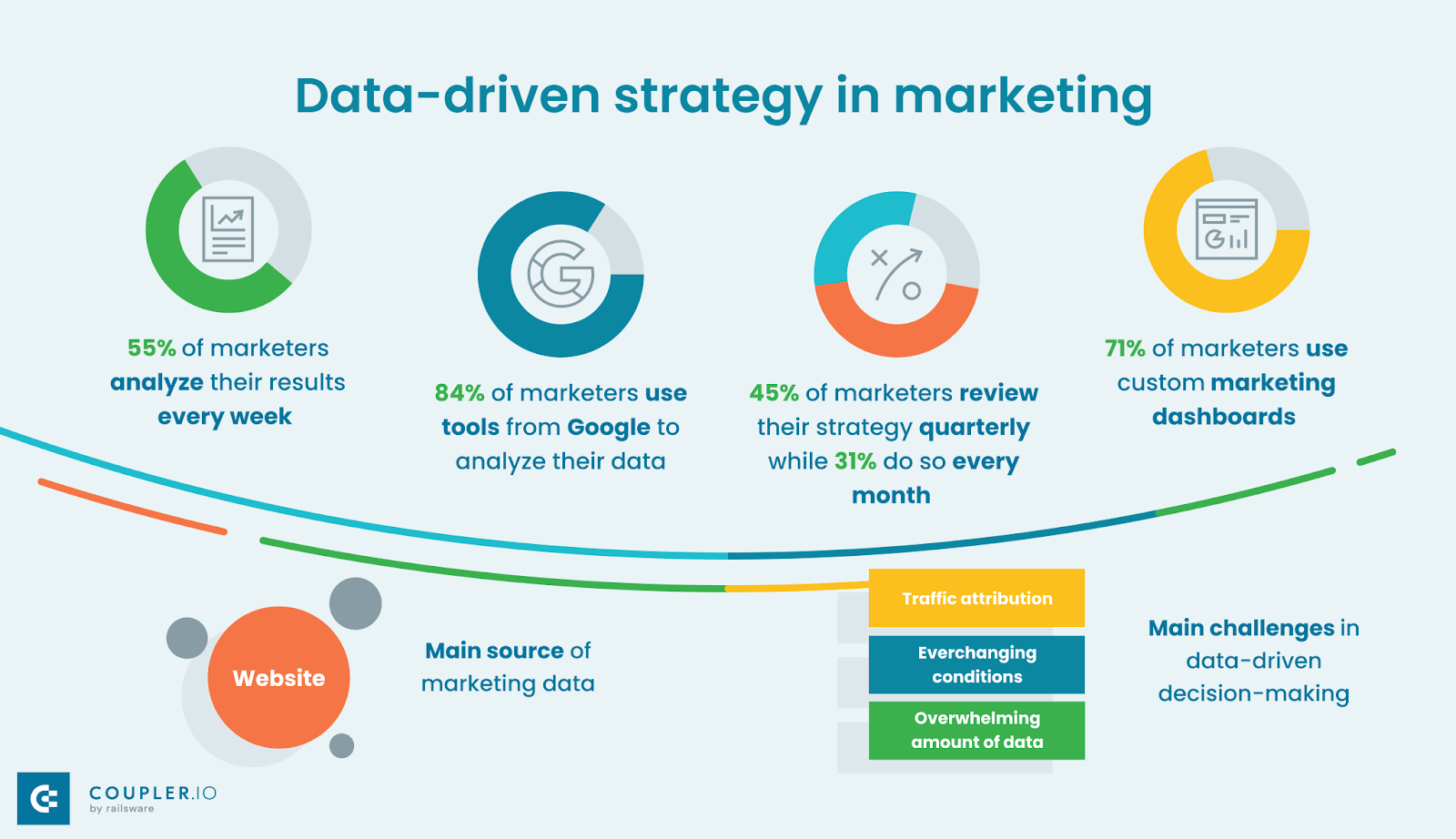
Marketers can use reported performance data collected in the previous section to determine what content to refresh and when to plan for new content.
Understanding what formats are currently performing well will allow marketers to develop a more effective strategy for developing voice-optimized content that performs equally well with their audience’s behaviour.
Tracking the results obtained from analysing performance data and adaptively developing optimised content for the evolving requirements of the voice search trend will continue to be an ongoing and valuable process.
Voice Search Trends Are Evolving; thus, Content Strategies Must Evolve
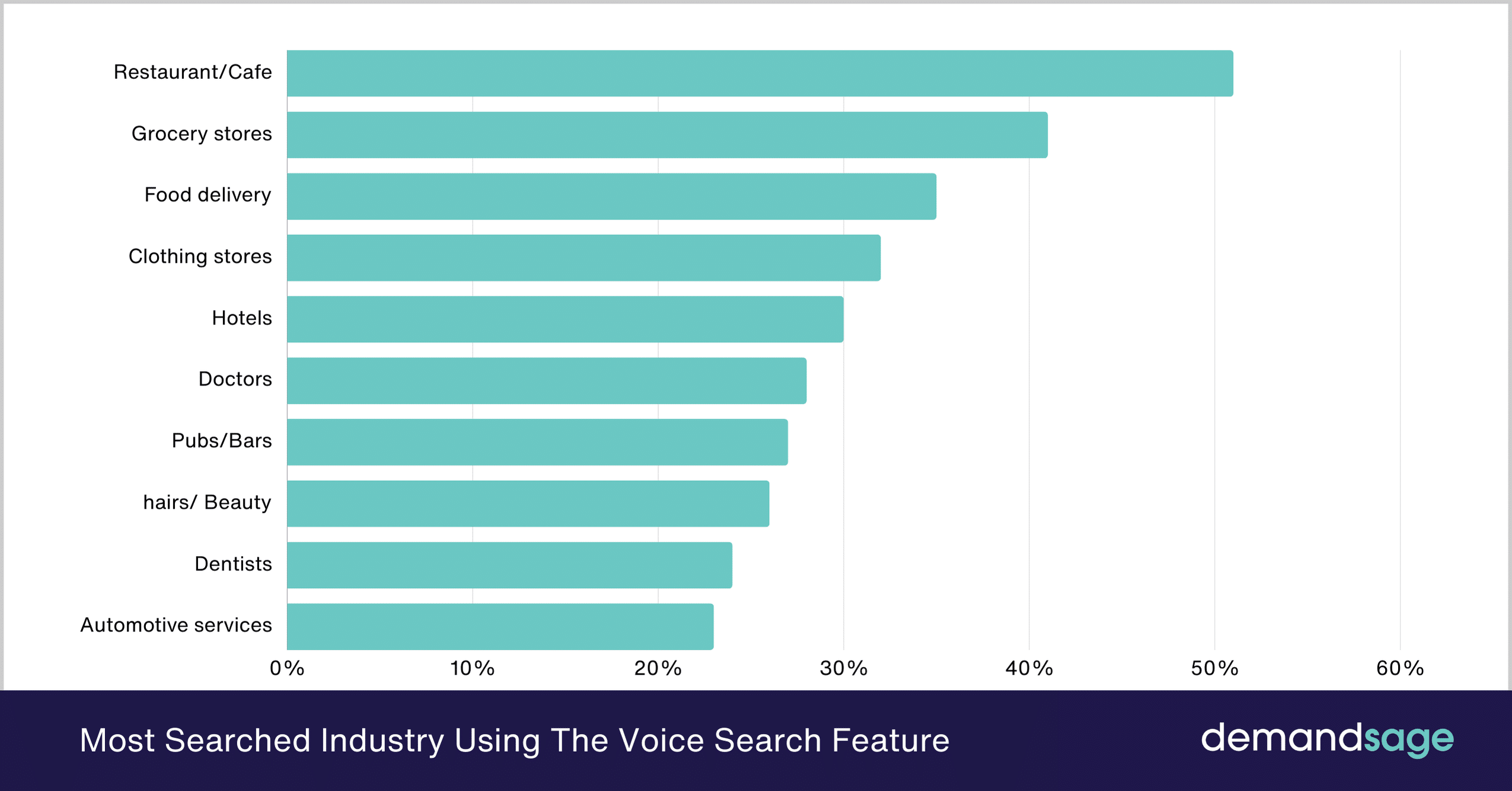
The voice search behaviour of consumers is evolving as technology continues to advance. More users are comfortable using their voice to ask longer-form or more complex requests. The content marketing community will need to adjust their expectations and continuum to accommodate these new expectations.
By continuing to develop or refresh existing content in a way that utilises a conversation-style language, content will be kept relevant to searchers well into the future in addition to supporting sustainable SEO practices.
Keeping Up with User Behaviour
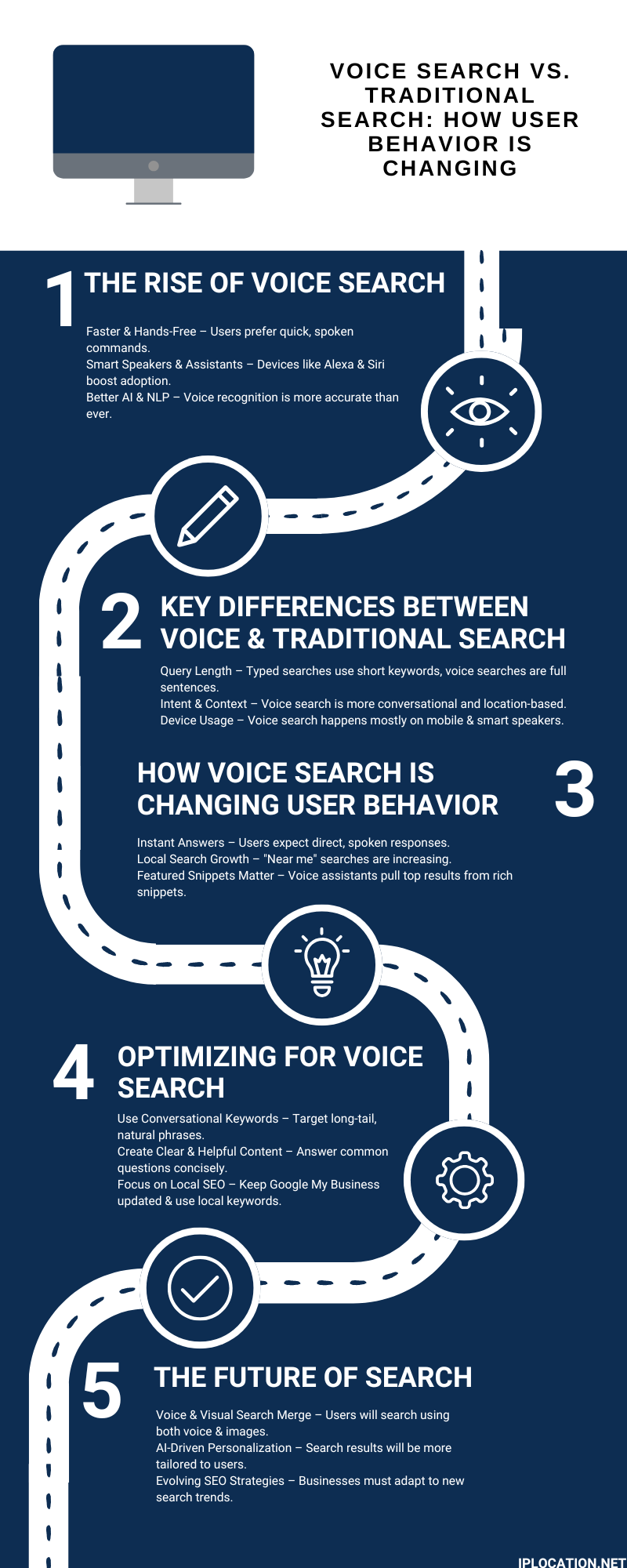
The voice search behaviour of consumers is evolving as technology continues to advance. More users are comfortable using their voice to ask longer-form or more complex requests. The content marketing community will need to adjust their expectations and continuum to accommodate these new expectations.
The Long-Term Visibility Advantages of Voice Search

Optimizing your brand’s voice search efforts will prepare your brand for the changes in search behaviour. In addition to developing optimal voice search strategies that build long-term value for your brand, these strategies will help you develop a more unified brand message regardless of how users search.
Developing Voice-Optimized Brand Content

Developing voice-optimized content should begin during the creation of your brand’s outline. Topics to write about will be determined based on the questions people ask and the intent behind them. This method of selecting topics also allows for content to be easily transitioned into other formats down the line.
The process of voice-ready planning has the added benefit of decreased rework later on, as this process enables teams the ability to scale their content strategy, as the adoption of voice continues to grow.
By preparing for long-term changes with voice technology, businesses will be successful in the continued use of voice technology.
Voice Search Optimization for Different Formats of Content
Blogging and creating educational content may be adapted to accommodate voice search.
By improving the segmentation and organization of your articles, a voice-activated assistant will be better able to find a specific answer to your article.
Through voice search, how users find videos and audio is dictated by how they describe or transcribe their content. Content that is optimally created using these techniques will clearly appear and have greater prominence on the Web.
Repurposing your video and audio content is beneficial to your overall content marketing strategy.
Platforms such as YouTube rely heavily on clear metadata in order to have their content found.
By answering these types of questions prior to a sale, companies have the ability to increase their conversion potential.
Optimizing formats for long-tail and voice-based keywords will expand your reach to users who inquire about shopping related to your business through voice queries.
Common Challenges To Implementing Optimized Voice Searches and Their Resolutions
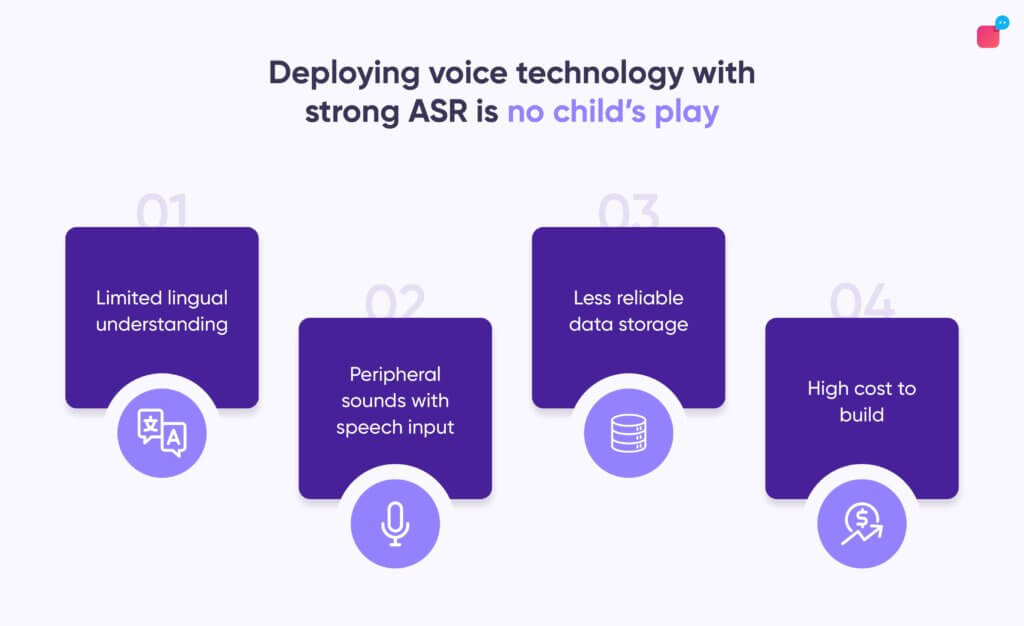
Limited Visibility Into Voice Searches
Companies lack differentiated data to track the success of voice-search marketing. Due to the way search engine optimization (SEO) works today, most companies have no way of measuring, directly or indirectly, how successful their voice search campaigns are.
Instead, marketers use indirect evidence to evaluate their campaigns by identifying the growth of question-based search queries (i.e., snippets).
There is a need to improve the way search engine results pages (SERPs) are presented for users to understand the overall content and allowing for increased usability.
The goal of every piece of content should be to provide value to users by providing a thoughtful, informative answer to their question. Ultimately there should be a balance between optimizing for search engines and optimizing the user experience.
Frequent Updating of Content
Regularly updating content that has been optimized for voice searches helps to maintain the trust of users, who have a void in their current quest for knowledge, and helps to maintain relevancy to users and voice-search marketing strategies.
Best Practices for Sustainable Voice Search Optimization

Emphasis on Providing Value to Users
The best way to ensure voice-search success and sustainable implementation of voice-search optimizations is to create content that provides value to users. The goal of all marketing is to provide an answer to a user’s question.
Therefore, creating content for voice searches creates value by providing clarity, accuracy and helpfulness. a feeling of confidence about where to go for everything from product reviews to shopping advice.
Automation vs Human Insight Balance
While the available tools can identify opportunities for brands, the actual judgement still comes from humans. Knowing how your audience behaves allows you to keep content sounding natural.
The right balance will help develop a scalable approach to the future of content strategy.
Best Practices for Voice Search Growth (Longitudinal)

For brands looking to achieve long-term growth with voice search, it is vital to implement strong best practices.
Multimodal Search Experience

With the increased use of screen devices, most people utilize a combination of voice and interactive results to receive answers to their queries.
With the advent of this combination of spoken and displayed responses, content marketing should be organized to provide the user with the entire experience that involves interactive experiences.
By optimizing for both composed and displayed results, you can increase the scope of your audience, while still having visibility on the emerging platforms.
Final Note

Voice search is on the rise, and therefore, brands will have an incentive to create connections through the power of voice search with their audiences and products.
For some years to come, it will give brands an opportunity to create connections with their audiences by providing content that is both clearly worded and written in a conversational format across all platforms.
Voice Search has continued to evolve over the years. The collection and analysis of voice search data provide businesses with an excellent opportunity to gain an advantage over competitors through voice search marketing.
To maintain their commitment to quality, consistency, and user experience, brands must continue to provide value to their customers, as the trend continues to grow, voice search will play a central role in the evolving role of content marketing.