by
by Modern lead generation relies heavily on content marketing; businesses today utilize content marketing to draw attention to their brand, provide educational resources to audience members and guide potential buyers through the sales cycle (the conversion process). When purchasing products or services online, prospective buyers are seeking out value from the company prior to providing their personal information. This change in consumer behavior has created a necessity for good quality, strategic content delivery via content marketing.
The main focus of lead generation strategies today is on developing and maintaining consumer trust rather than promoting products or services. Consumers are far more responsive to a brand’s insight when they are being provided with relevant and useful information than to an aggressive sales pitch. Content Marketing is providing the necessary support that allows brands to create a stable relationship with consumers.
This article will provide concrete examples of practical application for improving lead generation results through content marketing by providing information on content marketing strategy, converting leads and tips for creating action-oriented content. In each section of the article practical examples of how content may be used to build, nurture and ultimately convert leads will be provided.
Clear Content Marketing Plan
 hubspotusercontent-na1.net/hub/53/hubfs/content-marketing-plan-5-20250302-3996674.webp?height=650&name=content-marketing-plan-5-20250302-3996674.webp&width=650″ />
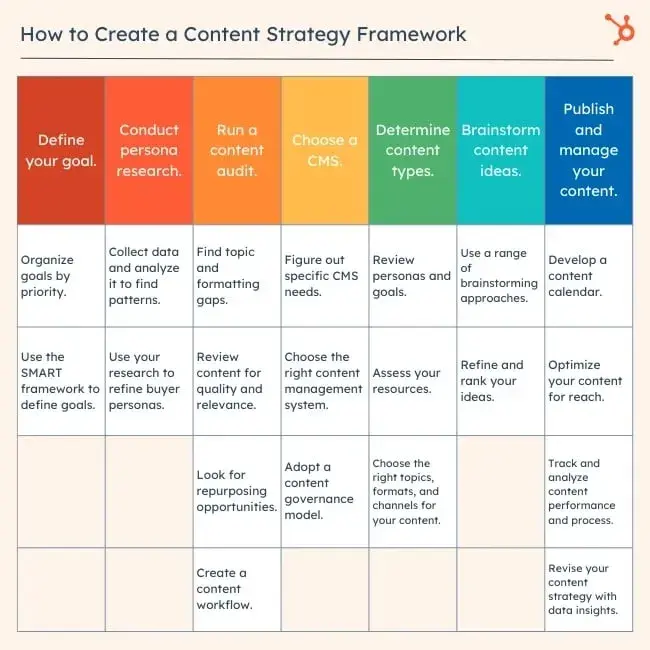
The creation of a clear content marketing plan is what generates effective lead generation, lead quality, and how content marketers will ultimately achieve their lead generation goals.
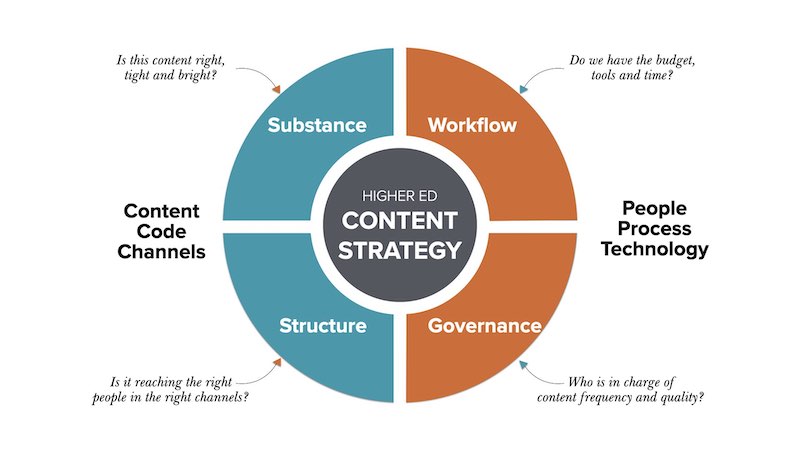
Once you have developed a strong and solid content marketing plan, you will soon find that the types of content that you use to generate leads are different, and so is the way that you distribute this content. It is important to align these types of content to your plan, and doing so will allow you to create high-performing content as well as facilitate your educational content creation process.
Attracting Leads By Using Marketing With Educational Content
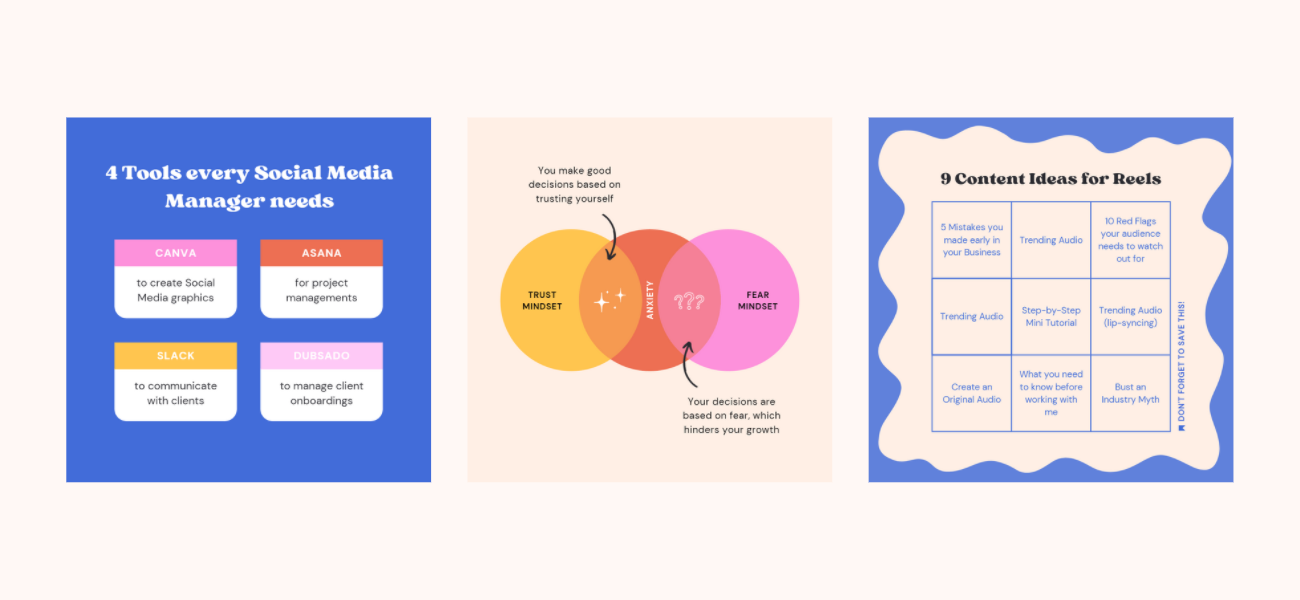
When it comes to creating an effective method of attracting leads, creating educational marketing content is amongst the most viable methods. The majority of buyers’ first instinct is to get as much information about a product/service prior to making a decision to buy. When a company provides educational material, it builds trust with consumers and which improves their conversion rate.
There are three popular educational content formats; tutorial, how-to’s and explainer video. For example, Salesforce has created an educational content series designed for nurturing leads at each stage of their buyer journey. The educational content (i.e.; an explanation) of a product/service reduces the consumer’s confusion about a product/service and their hesitation to convert which increases confidence in a company/store/brand.
Educational marketing content strengthens Search Engines and Discovery. It targets ‘Informational Keywords‘ which attracts early stage visitors. At times these visitors may not convert into a customer right away, but, they can be nurtured to convert in the future as they continue to engage. Therefore, it’s a valuable potential lead for many businesses.
Best Practices For Educational Marketing Content
A business should ensure that their educational marketing material is simple and practical. Avoid using ‘fancy’ terminology and heavy promotional materials in your educational marketing materials. Instead focus on creating educational materials that are easy to follow and very useful to your audience, so they can better educate themselves and when time to convert will be prepared for conversion marketing materials.
Users are also left with an increased sense of trust rather than pressure to convert.
Matching Content With Buyer Readiness
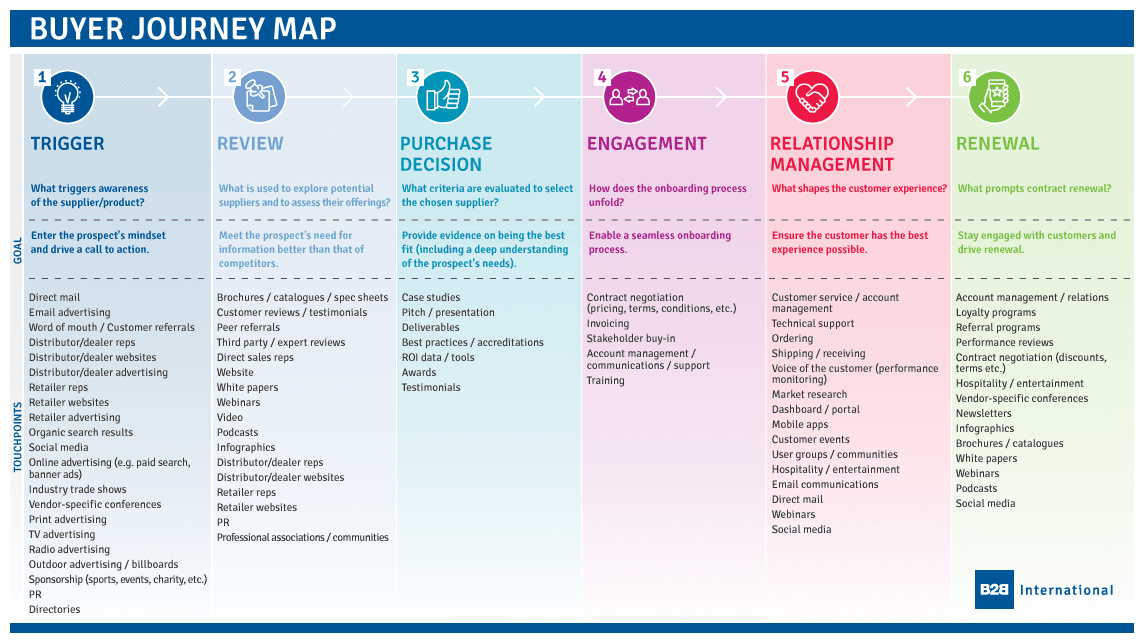
When the content matches up with the buyer’s readiness to buy, conversions will improve. Users early in the buying process will require a lot of education on the products/services being sold to them, while users that are somewhat warm will require reassurance that they are making the right choice.
Provide Gated-Content To Increase Your Lead-Generation Efforts
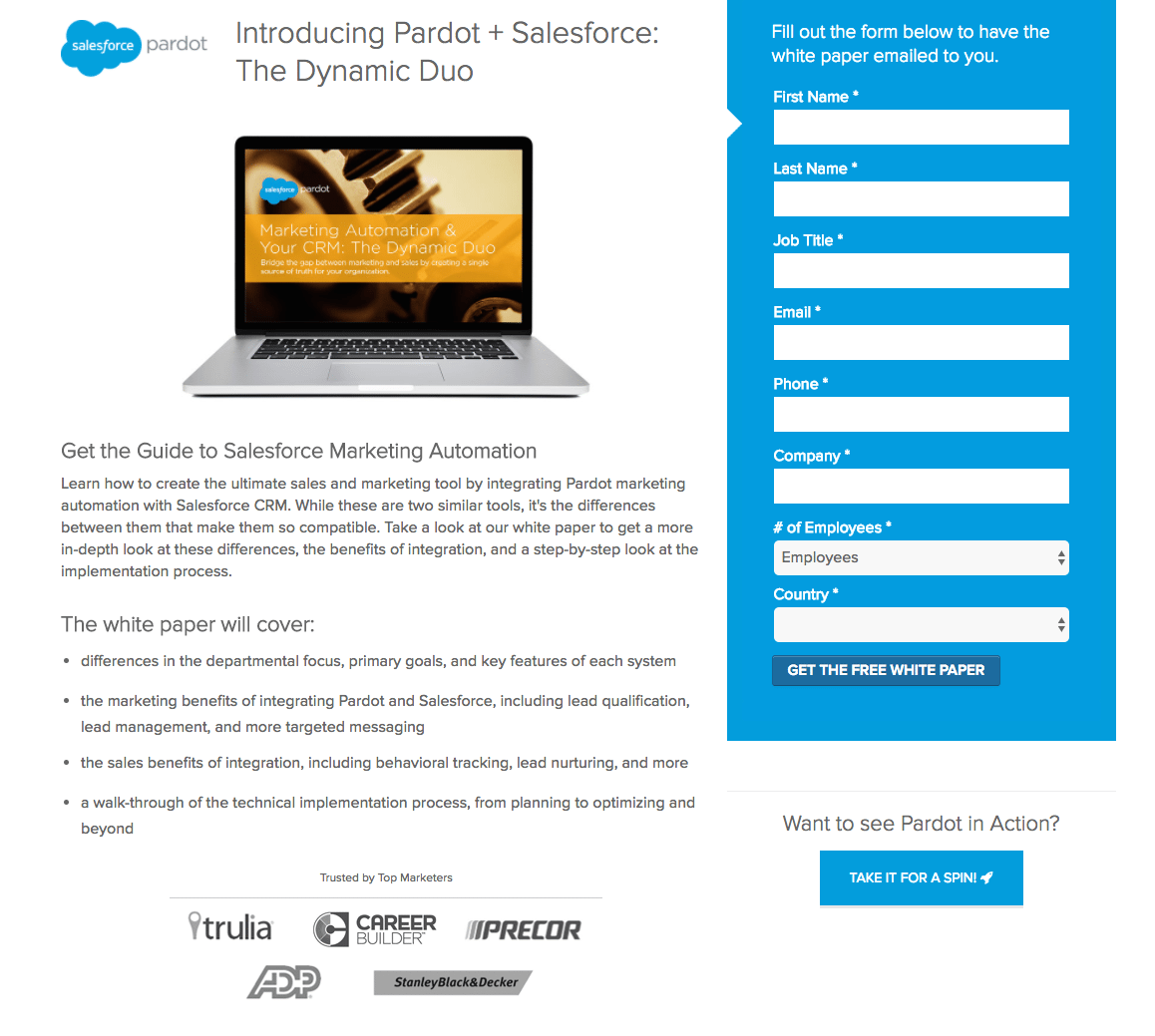
Gated content can make a good lead-generating strategy if used properly. Gated content is considered a high-value resource that will help you obtain the user’s information. These higher-value gated resources work well because they solve a particular problem. Therefore, users are more inclined to convert when they clearly understand the value of the content provided.
There are many formats to use for gated content; examples are an ebook, report or template. Professionalists use the insights from gated content to build their list on LinkedIn. By providing exclusive access, it increases the perceived value of the material to users. As a result, you will have a more qualified lead option.
For gated content to be successful, the relevance and quality of the gated material needs to be maintained. It has been shown that users typically do not convert or take action based on generic free resources. Instead, users need to see that the gated information closely matches their needs. When users convert, clear descriptions of what they can gain by receiving the gated material, before they click on the conversion button, should be included.
Balancing Free Content And Gated Content
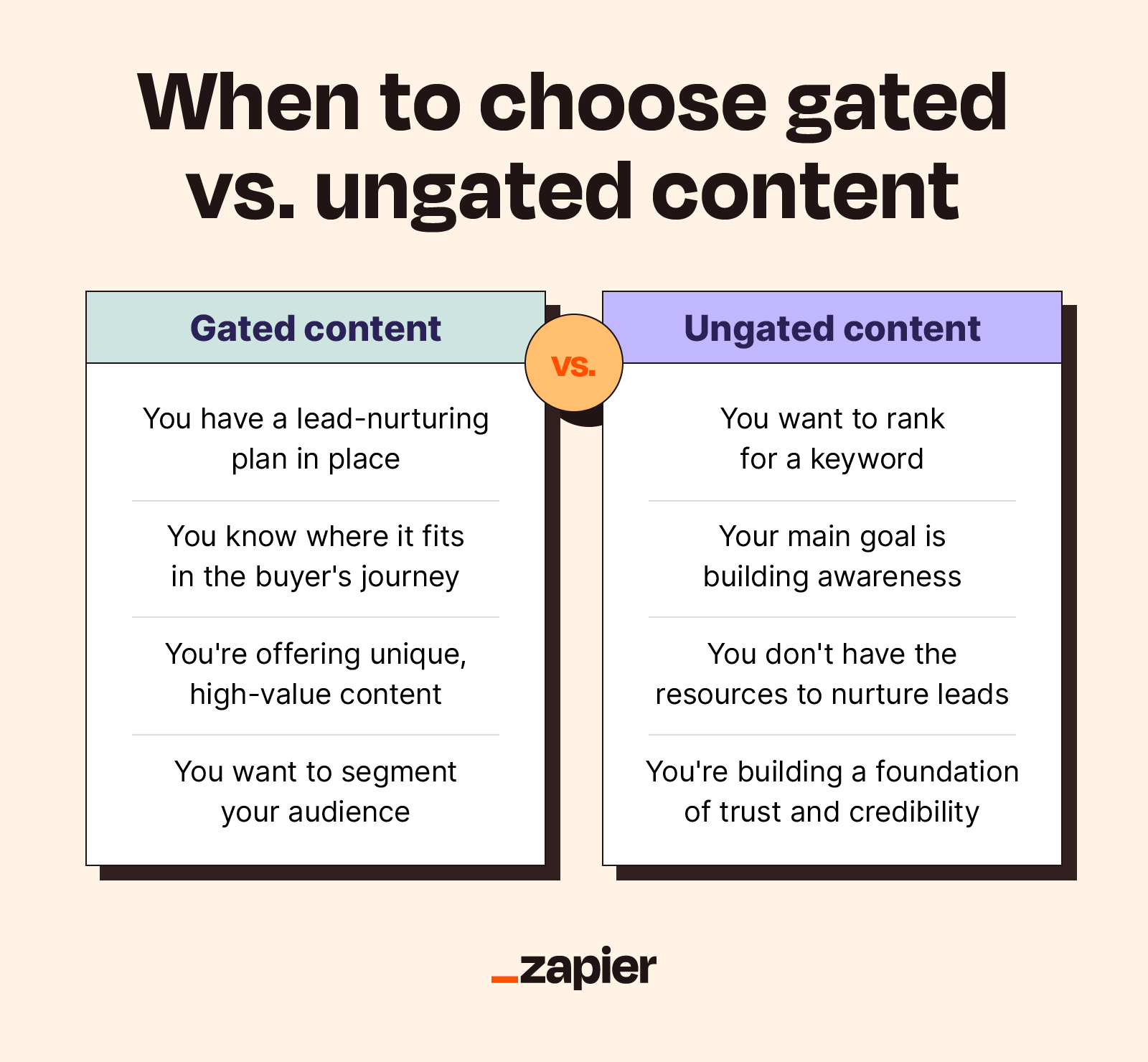
Gated content needs to complement a company’s overall content marketing strategy. By providing free content to users, you build Trust among your users. Gated content allows you to continue to nurture your leads after they have entered your sales process via continued engagement with your content after they become a customer.
Therefore, it is necessary to have a balance of free and gated resources so that there is no friction. As a result, you will prepare leads for continuing the nurturing process through continued engagement with your content.
Lead Nurturing Through Content Marketing
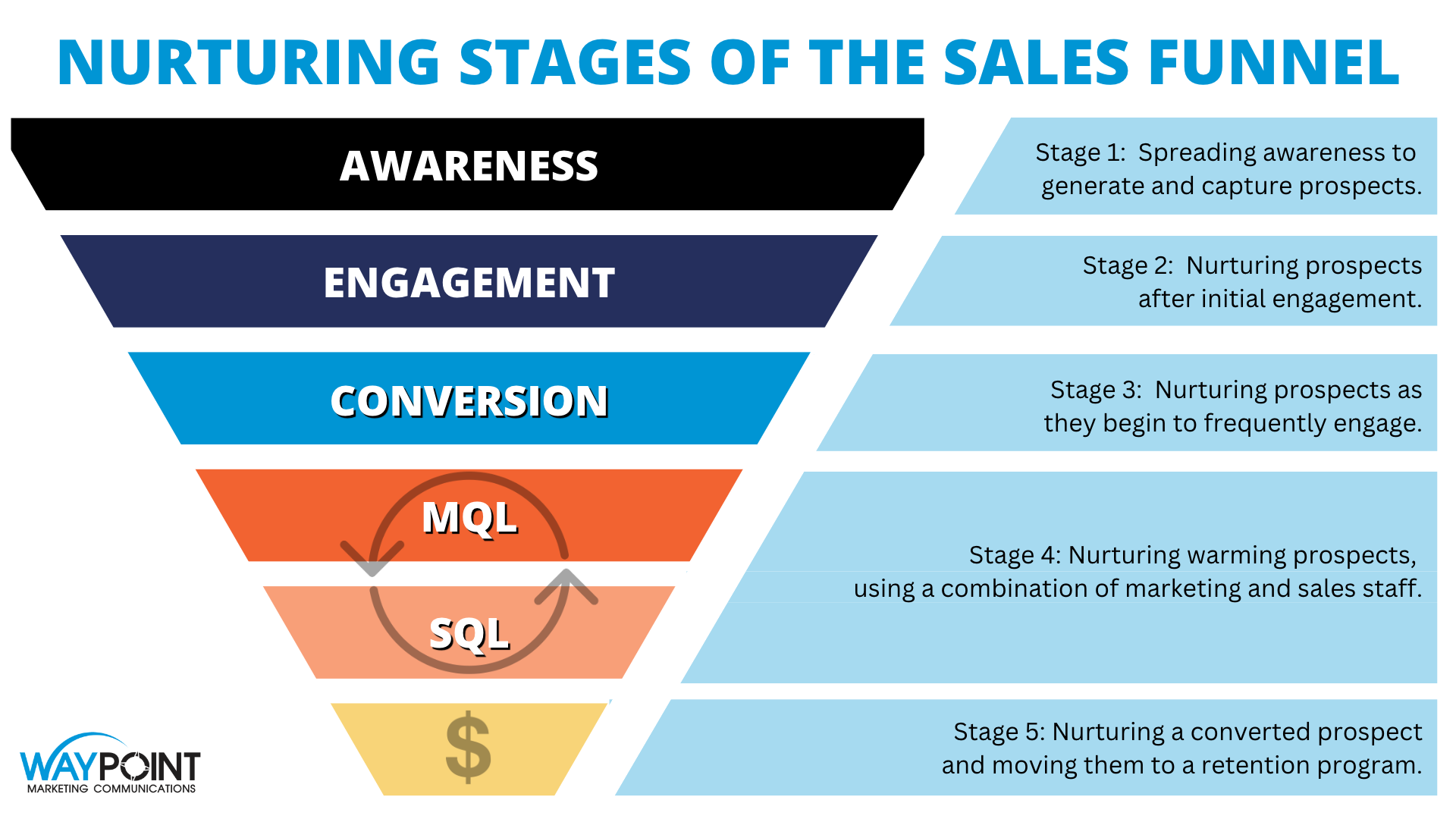
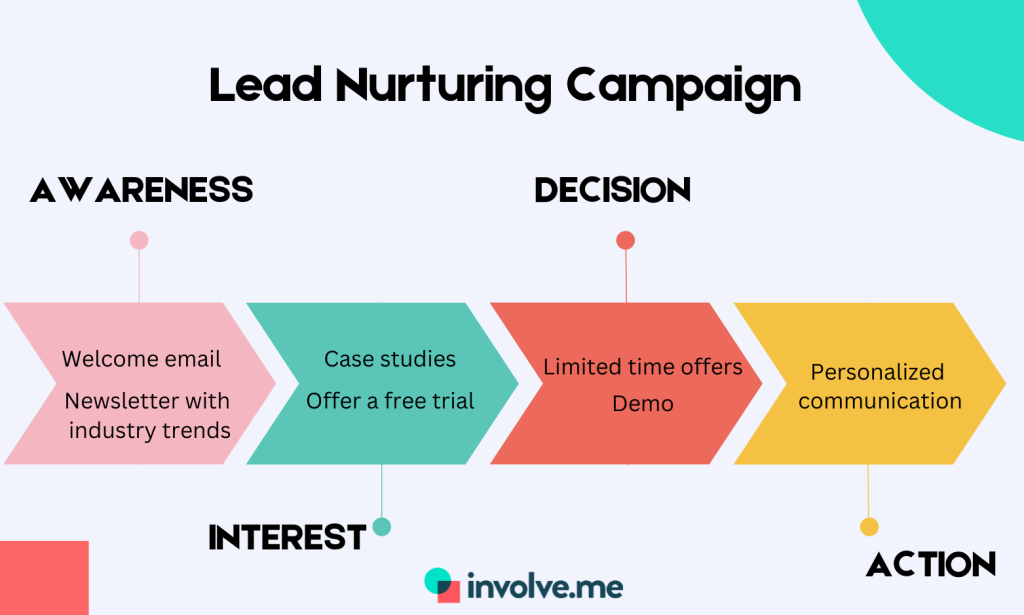
Lead nurturing is developing a lead’s relationship over time from initial contact until after they have converted into a customer. The purpose of this type of engagement is to establish an ongoing relationship with the lead. In doing so, the lead becomes more likely to make a purchase after you’ve built up a rapport with them through your content marketing efforts.
By nurturing leads consistently, you build up trust and familiarity with both the company and the product or service that they ultimately will purchase from.