by
by Voice search is causing a major change for brands online and how customers interact with brands. Digital branding is now dependent on people discovering brands through conversation as opposed to searching for them as text. The growth of smart speakers, mobile assistants and in-car systems have changed user behavior and pushed customers to search by voice rather than by typing in text.
As voice search technology continues to develop, brands need to consider how they look, sound and feel at the time of the user’s moment of truth. As a result, for a brand to establish a successful digital brand presence, it will need to be the only spoken answer that users receive, rather than one of many potential results returned through a typical search.
Changes in Digital Branding due to Voice Search

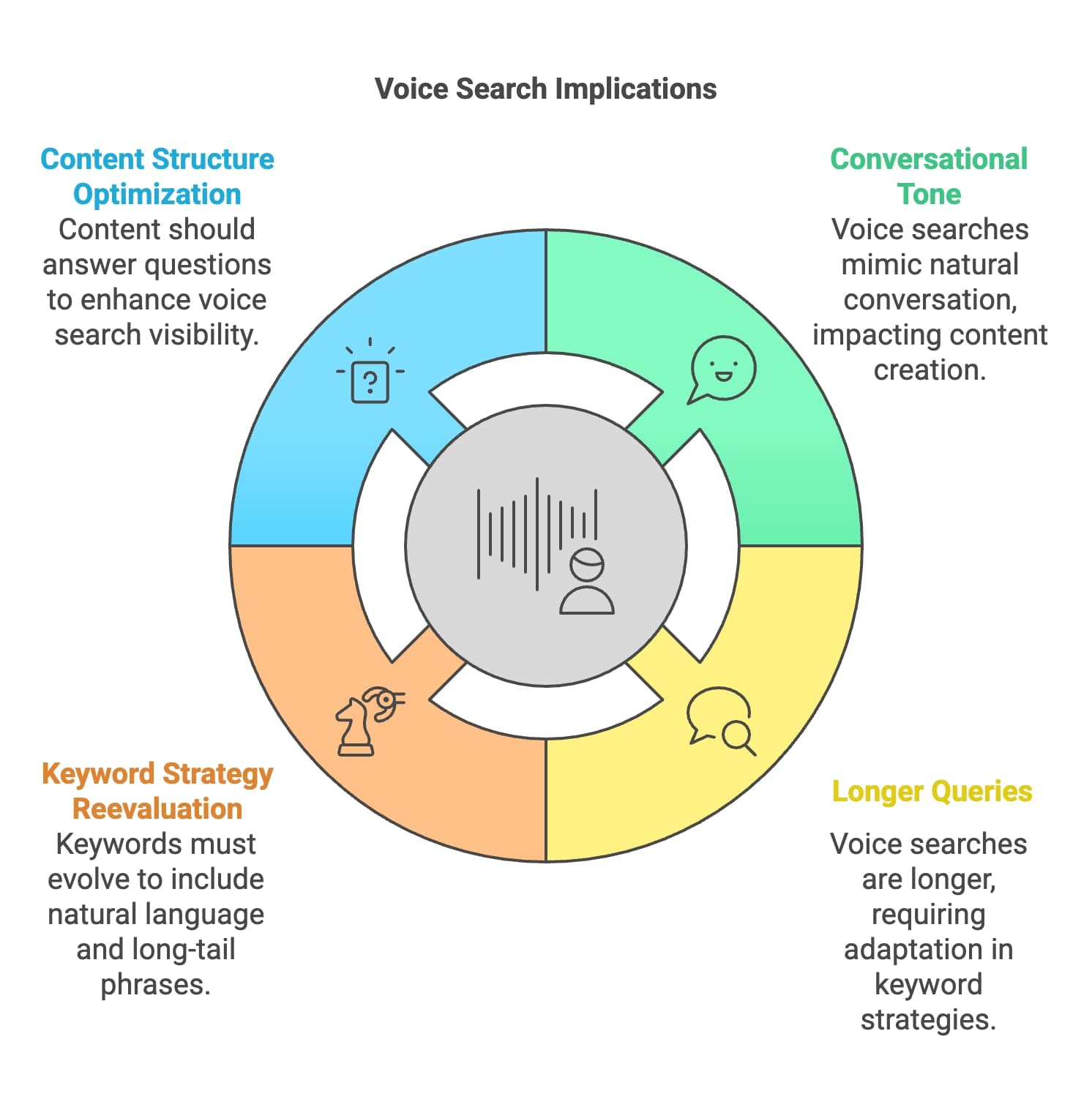
The way users search for Brands Online and how they build Trust is Changing due to Voice Search. The methods by which Users discover Brands through Search engines are also changing. It was once common for a User to search for the Name of a Brand (e.g., Nike) using Keyword Searches; today Users are more likely to search using the complete Query or Question Phrase (e.g., Nike shoes).
Google also indicates that Voice Searches account for over 20% of Mobile Search queries today (2016).
In addition, many brands have created expectations from their users for fast, Spoken responses (e.g., Apple and Amazon). As Digital Branding grows, it has also expanded to include how a Brand “sounds” via Digital Assistants (e.g., Siri, Alexa).
In addition, the importance of Clarity, Tone, and Structure is now greater than ever for Brands who want to compete. When using Voice Responses, users typically only hear a single Brand response, increasing the level of Competition.
Voice Search, Trust, and Emotional Brand Connection

Furthermore, Voice Searches provide greater Trust and Intimacy to Brands than do Traditional Search methods. Users hear a Personalized Response, thus creating a greater link to the Emotional Connection between the User and the Brand.
Additionally, Brands that use Messaging that is aligned to Conversational Intent create a greater sense of Helpfulness and Credibility, which directly contributes to building Trust with the User over the long term.
As the number of people using Voice Searches continues to grow throughout the world, Brand Strategies will also need to change to adapt to this increase in Voice Search use. If a Company does not recognize this evolution in Search, it will be placed at risk for losing its Visibility to Companies that have adapted to the Use of Voice Search.
This increased Dependency on Voice Search will continue to lead to Opportunities for Brands to Increase their Visibility through the use of Voice Search.
Voice Search Improves Brand Visibility via Direct Brand Exposure

Voice search significantly improves a Brand’s visibility by prioritizing short and concise answers provided by voice search assistants. When search assistants return their best recommended answer, the winning Brand is the only one to receive that single spoken response resulting in a significant branding opportunity over traditional search results.
When consumers hear the selected response for the first time, they immediately develop brand recognition and brand credibility. Consumers know and recognize the Brand.
Through this process, consumers develop a greater memory of the Brand and greater trust and recognition. Consumers typically remember the name of the Brand that they hear first.
Local Voice Search and Real-Time Decision Making

Voice Search is especially favorable for Brands looking to optimize local searches on mobile phones. Over the past several years, Google reports that voice searches with the phrase “near me” have experienced tremendous growth.
Consequently, Brands that optimize their content for Local Voice Search are likely to be included much more frequently in a consumer’s “real-time” decision-making.
In addition to increasing visibility for Brands, improving visibility via Voice Search is also an extension of other Digital Channels (Digital Presence), for example, Voice Search leads to direct Brand Searches or visits to the Brand’s website.
This evolution of Voice Search fits within the current trends of SEO.
Modern SEO Trends with Voice Search

Voice search continues to be a primary influence on Current SEO Trends Globally. Google now favors natural speech patterns, search intent, and semantic relevance more so than the traditional method of “keyword stuffing”. In addition to search intent, businesses should implement a strategy that focuses on clarity and utility.
Google considers page speed, mobile optimization, and secure sites as significant factors in voice search rankings. User experience is considered a key ranking factor, and both Shopify and HubSpot predict that companies will continue to enhance their technical SEO capabilities in order to become “Voice Ready”.
The changes taking place in Search Engine Optimization (SEO) will include more voice-based Search Optimization Techniques in the future.
Content Structure and Question-Based Voice Search Optimization

Therefore, Brands need to change their content and the way they structure their content to represent the way that people are starting to behave in online searches.
This alignment also ensures that Digital Branding is still consistent across multiple channels. By focusing on Technical Optimization, Brands will be prepared for developing deeper voice-driven Brand Strategies in the future.
The Impact of Voice Search on Trust in Brand Awareness

Voice searching improves a user’s level of trust in a company’s digital branding by giving them immediate and confident possibilities for an answer. Users tend to have more faith in the spoken response than in searching, scrolling, and reading countless links on their screen for that information. When a company consistently receives the same search location, that company’s credibility naturally builds over time. As a result, the company’s relationship with its consumers builds and continues over time.
Authority is a significant factor in the digital branding of companies that utilise a voice-related platform. Content from established and reliable sources is a priority for the majority of search engines. Google Business Profiles or accepted and verified websites have a more considerable emphasis placed on the company represented by that profile. Therefore, that association builds credibility through perceived authority when the user makes a search.
In addition, consistent content is critical to building user trust regarding voice searching. A business that portrays the same company through its listings, its reviews, and its website content appears more credible to the consumer. Voice searching capabilities depend upon providing consistent data to the voice assistant.
Voice Search, Personalization, and Customer Experience

For instance: Google Assistant provides personalized responses based on the location and preferences that its users provide for their voice searches. When companies utilize the personalization technology provided by products like Google Assistant, they become more relevant for their customers. Relevance is one of the main factors that ultimately determine successful digital branding.
By allowing for easy voice interactions, voice search minimizes the amount of friction that users experience when interacting with their brand online. Rather than having to sift through many different web pages to find answers to their inquiries on Google, users receive immediate answers using voice search technology. As a result, customers have a much quicker path to find and get what they need when they use a company’s product and utilize voice search to do so.
The quality and convenience of an online experience will directly relate to brand recall. Customers associate great voice search experiences with high-quality brands. As customers continue to use a voice search technology, this positive association will lead to a greater visibility and acceptance of the brand when it is searching for products.
The benefits that stem from a positive customer experience through voice searches can lead to measurable increases in digital brand visibility and trust.
Brand Visibility Evaluation Using Voice Search

Brand visibility evaluation through voice search requires a different parenthetical methodology than typical metrics used to track standard SEO. A single answer is typically returned in a voice search, therefore diminishing any visible competition. Instead of focusing on the total of brand impressions delivered through voice search, brands should focus on the quality of those impressions. Google Search Console is an example of an analytic tool to assist brands in identifying patterns associated with voice search queries.
Another indicator of the level of success a brand enjoys in becoming visible in voice search is the increase in people searching for the brand after hearing its name on a voice search. When discovery or other searches occur following brand exposure on a voice search, this indicates a level of increased brand awareness. This is typically tracked by marketers along with direct growth.
Another important metric for brands using voice technology for branding is local visibility metrics. Brands can use Google Business Profile insights to view how frequently their brand has been featured in discovery searches. As a voice assistant’s primary means of displaying search results, a local business’s visibility within a regional area is critical to ensuring brands are prominent in a voice search. Accurate information about a local business is critical to increasing its selection likelihood.
Although the data collected to interpret voice search analytics is still relatively limited, it will become increasingly valuable as it continues to grow in importance. Brands that monitor voice search analytics and incorporate their results will be better equipped to develop strategies to refine the performance of their respective brands and improve their optimization of their content for voice discovery.
Structured Content and Authority in Voice Search

Short answer formats that include direct answers outperform longer explanation-type formats when it comes to selecting a voice search response.
The primary reason that structured content has been proven to significantly increase performance in regards to voice searches is that, when using structured content, search engines can extract an answer to a search with greater ease based on the headings and summary of the article, along with the brevity of the explanations. Brands that highlight this advantage through effective use of structured content such as Moz and SEMRush create more reliable brand messaging.
Building authority with your brand through the use of educational content in voice are both powerful strategies for increasing your digital brand presence. Building a guide and providing educational answer content create an atmosphere of authority for your brand. When users repeatedly hear your brand providing a solution, they develop trust. Trust ultimately increases visibility for your brand.
This will put your brand on the early stages of establishing a voice branding strategy that is future-focused.
The Future Of SEO and Brand Recognition Through Voice
The Future of SEO will continue to focus on Voice First experiences. Advanced Artificial Intelligence Technology is creating increases in the accuracy of Speech Recognition and also as adoption increases, Voice will become the Default Method of Search. Brands need to take action now if they want to be ready for Voice Search.
Multimodal Search will continue to grow and affect Voice Branding.
Consumer Privacy and Consumer Trust relative to User Data will continue to be a contributing factor in shaping Voice SEO Trends. Consumers Will Expect Secure and Transparent Interactions with their Voice Assistants. Brands that value Privacy will create Loyal Consumers. This Trust will affect how often consumers Select A Brand.
As Search Engine Algorithms become more sophisticated, Adaptability Will Be Required For Brands. Brands that Keep Up With SEO Trends Will Continue To Be Competing Brands. Brand Visibility In The Future Will Depend On Forward-Thinking SEO Strategies. Brands Will Experience The Benefits Of Voice Optimization From A Branding Perspective.
Voice Search Optimization Conclusion

Voice search optimization represents a rapidly evolving method for driving digital branding in today’s marketplace. To build equity, brands must optimize for not only conversational queries but for creating more visibility, trust, and recall through voice search.
The level of authority we create from being the “one” spoken answer (voice search) versus other typical listing methods (traditional listing methods) creates an authority level that traditional listing methods will never achieve for brands.