The need for content marketing has become essential for brands wishing to maintain visibility among rapidly evolving digital channels.
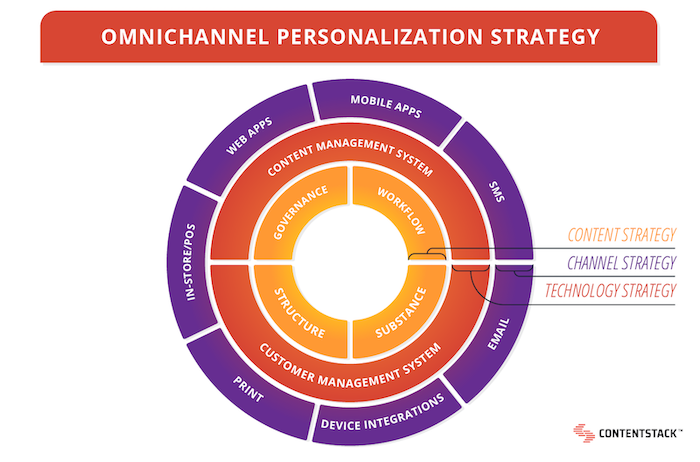
The scope of today’s content marketing extends past just typical blog posts and encompasses website, social media, e-mail, and mobile touch points in a unified fashion.
The way in which brands communicate through their omnichannel strategy is where the consumer currently anticipates and employs familiarity.
Brand consistency across the entirety of how, when, where, and what type of messaging they can expect from a company creates a level of trust among consumers.
Digital strategy in today’s marketplace is focused on where the user is at that moment; the consumer’s retention rate will increase when the consumer realises they are experiencing the same brand across all channels.
Competition is now focused on the overall consumer experience; therefore, Omnichannel Content Marketing is crucial for maintaining a strong competitive advantage in regards to long-term brand recognition, reliability and competitiveness in the marketplace.
Content Marketing Foundations for Omnichannel Brand Consistency
The foundation of omnichannel communication is content marketing as it determines how all brands communicate, regardless of where that communication may be.
Clarity of defined goals, target audiences, and general messaging guidelines allows for all teams to publish content consistently across many different types of channels without creating any potential confusion amongst consumers.
Brands with documented content marketing strategies, according to the Content Marketing Institute, see much higher performance than brands that do not have a documented strategy.
When brands understand how users move across devices and platforms, it allows them to place their content more effectively.
A brand should map out where its customers are in discovering their products, comparing products, and engaging with them, many different places will be included.
Making Content Adaptable While Maintaining Identity
Omnichannel brands create content that can be adapted for different formats, but the message remains the same.
A blog article can be used as a social media post, email snippet, video etc., and while it is being used in different formats, it still remains consistent with the brand.
By building your brand using the above strategies, you are then naturally creating a foundational basis for developing a scalable digital strategy moving forward.
Digital Strategy Planning for Omnichannel Content Marketing
A digital strategy helps connect the objectives of a content marketing program and the omni-channel execution of that program through all kinds of channels and platforms.
A well-defined digital strategy enables a company to determine what kind of content to create and distribute across all available channels, as well as how to measure and evaluate the results of that content.
Companies with an integrated digital strategy will likely have a much higher growth rate than their competitors (McKinsey & Company).
Unified Content Objectives
Content marketing creates a familiarised experience for the audience at each touchpoint.
Technology Stack Selection
Enhanced personalisation.
Building Content Systems That Scale
Brands track signals of engagement to gain insight into how well they are retaining customers.
Measuring Engagement and Building Retention
Important examples of engagement signals include:
-
Repeat visits to the same website by the same users
-
Rate of growth (open and click-through rate) over time of emails
-
Number of social interactions that demonstrate long-term interest in the brand
Developing Lasting Relationships
Brands can cultivate long-term relationships with their customers by providing them with valuable content over the course of time; consequently, when customers’ expectations have been consistently met, they will come back again.
As brands move forward with developing and implementing their retention strategies, these are also components that roll into their brand management strategies.
Governance Models That Protect Brand Consistency Across Channels
A successful brand governance structure enables consistent messaging with multiple contributors creating content at the same time for different regions and departments.
Both the American Marketing Association and many other organizations have promoted brand governance as an important component of sustainable growth for businesses.
Brand Guidelines and Approval Structures
The foundation to having good brand governance starts with writing brand guidelines and making these available to your organization’s departments for use when they create new content.
Brand guidelines let all departments follow the same set of rules regarding the tone, style, visuals, terminology and themes of message that can be used to describe their brand.
By using the same guidelines, all your department’s messaging will be consistent across all of the company’s marketing materials.
A well-structured approval process with accountability reduces errors and off-brand published materials.
Many companies will assign a ‘content owner’ who is responsible for final approval of all prospective published content.
The content owner ensures that the omnichannel content aligns with the company’s overall digital strategy and its goals.
Balancing Creativity and Control
A brand governance program should support the creative process but will not stifle it or impede creativity by imposing rigid controls.
The implementation of a flexible structure to support the creativity will allow for innovation while protecting the company’s brand identity.
By providing a flexible governance structure with an eye towards sustainability, companies will develop an ability to scale up production and manage content as complexity in production continues to increase.
As brands develop new content topics, formats and time frames based off of behaviours demonstrated by their target audience, ongoing refinement of the digital strategy and increased audience retention occur.
KPIs that Brands Focus On
When evaluating KPI’s, brands typically focus on KPIs that not only demonstrate the overall performance of all channels in terms of consistency and engagement but also demonstrate:
-
How user engagement has changed over time with regard to how many users engaged with the brands’ content across multiple platforms;
-
Conversion rates for users moving from one channel to another;
-
User retention rate based on consistent messaging and branding.
These insights lead naturally to strong and confident scaling of the brands’ omnichannel content marketing efforts.
Scaling Content Marketing Without Losing Omnichannel Brand Consistency
As brands continue to expand beyond borders and geographies – on multiple platforms, and appealing to many different segments of customers – they will find it increasingly difficult to manage their Content Marketing operations for Multiple Regions and Platforms.
When done successfully through proper coordination of assets, brands will reduce errors as a result of using standardized processes by creating a common language and naming conventions.
When implementing a strategic content plan for production on all Supported Platforms globally, branding should always be maintained as per the customers’ country of origin, while respecting local customs, cultural nuances, and preferences.
It is critical to the success of a brand globally that it maintain its integrity when launching or developing content globally.
Editorial Planning for Multi-Platform Content Publishing
Content marketers must develop and implement clear and concise Editorial Planning processes when utilizing many sources of Content Publishing in order to leverage brand marketing by leveraging the Content published on all Sources and Digital Platforms.
Creating a Strategic Editorial Publishing Plan enables brands to build a cohesive editorial integration strategy in order to ensure a cohesive execution plan with the introduction of new Digital Platforms.
Implementing an Omnichannel Strategy Over Time
In order to implement an Omnichannel Strategy successfully over time, marketers need to understand that Digital Marketing can change quickly then review the analytics and create new ways of communicating.
When marketers are open-minded about their strategies, they will find it easier to implement the processes that lead them to continue building upon their experiences in developing a new Omnichannel Marketing Plan.
An effective approach encourages marketers to strategically deliver one core idea across multiple platforms and formats. According to experts cited by Harvard Business Review, content repurposing is the most efficient method for achieving this goal.
Creating Core Content of High Quality
Creating a core content piece from which to repurpose is essential to create an effective repurposing strategy.
The content will consist of a combination of high-quality, researched content, which can be in the form of either blog posts, reports or videos.
Providing clear, consistent messaging through the use of a core asset, which is reused multiple times in different formats, will allow marketers to build brand credibility.
Creative Use of Repetitive Content
Repetitive content is easily recognized by your audience; editorial planning can help ensure that your audience will see your repurposed content as fresh and relevant.
Editorial planning will allow marketers to continually improve their execution and optimization strategies.
Optimizing Omnichannel Content Marketing for Long-Term Results
The optimization process is designed to keep your omnichannel content marketing as effective as possible as both Audience and Platform change.
The ongoing improvement of your brand through optimization will help to maintain Your brand consistency while providing increased opportunities for your brand to Perform. Data from Google illustrates higher Engagement Levels With Optimized experiences.
Testing, Refining, and Aligning Content Performance
Through the process of Testing and Refinining Content Performance, Edits made to Headline, Format, And Publish Time. Making small changes to Each item provides Increased Engagement Without Changing Brand Voice.
Through Testing, All Channels are able to make Smarter Decisions.
Tying Optimization To Business Goals helps ensure your optimization strategy works best when You have Clear Business Outcomes. The Content Team will Align Their Content Improvements With conversion, retention And Awareness Goals.
Ongoing Audits and Brand Alignment
Frequent Audits will help to ensure Your Messaging Remains Aligned Everywhere Within Your Brand.
The Habits Created From Understanding How To Optimize Will Ultimately Become Part Your Brand and included in the final Summary And Conclusion of This Plan.
Conclusion
Effective content marketing combined with a coordinated approach across multiple channels builds identification and trust — while also keeping the brand relevant to various changing digital environments.
When brands maintain alignment between their messaging, execution and content marketing platforms, their audience has a consistent user experience of that Brand Persona no matter which channel they engage with; this creates confidence and allows them to continue to engage with that brand over time.
While maintaining brand consistency does not prohibit creativity, it provides teams the ability to be creative while having a defined foundation from which to experiment intelligently.
Over time, long-term retention of an audience will be achieved through continual delivery of value, resulting from a seamless, cohesive user experience, throughout all points of contact with a brand.

 by
by