 by
by Marketers now require smarter systems that enhance processes of creative expression — not hinder them. AI tools enable marketers to efficiently conduct research about potential topics, develop ideas, and increase overall workflow performance.
AI tools considered best for marketers will allow marketers to analyze current keyword trends, consumer behaviour patterns and knowledge gaps within their industry. Marketers can then utilize the data and insights available through these AI-driven platforms in order to develop better informed content ideas.
Using AI Content Tools to Enhance Workflow Efficiency
Developing Automating Routine Content Tasks
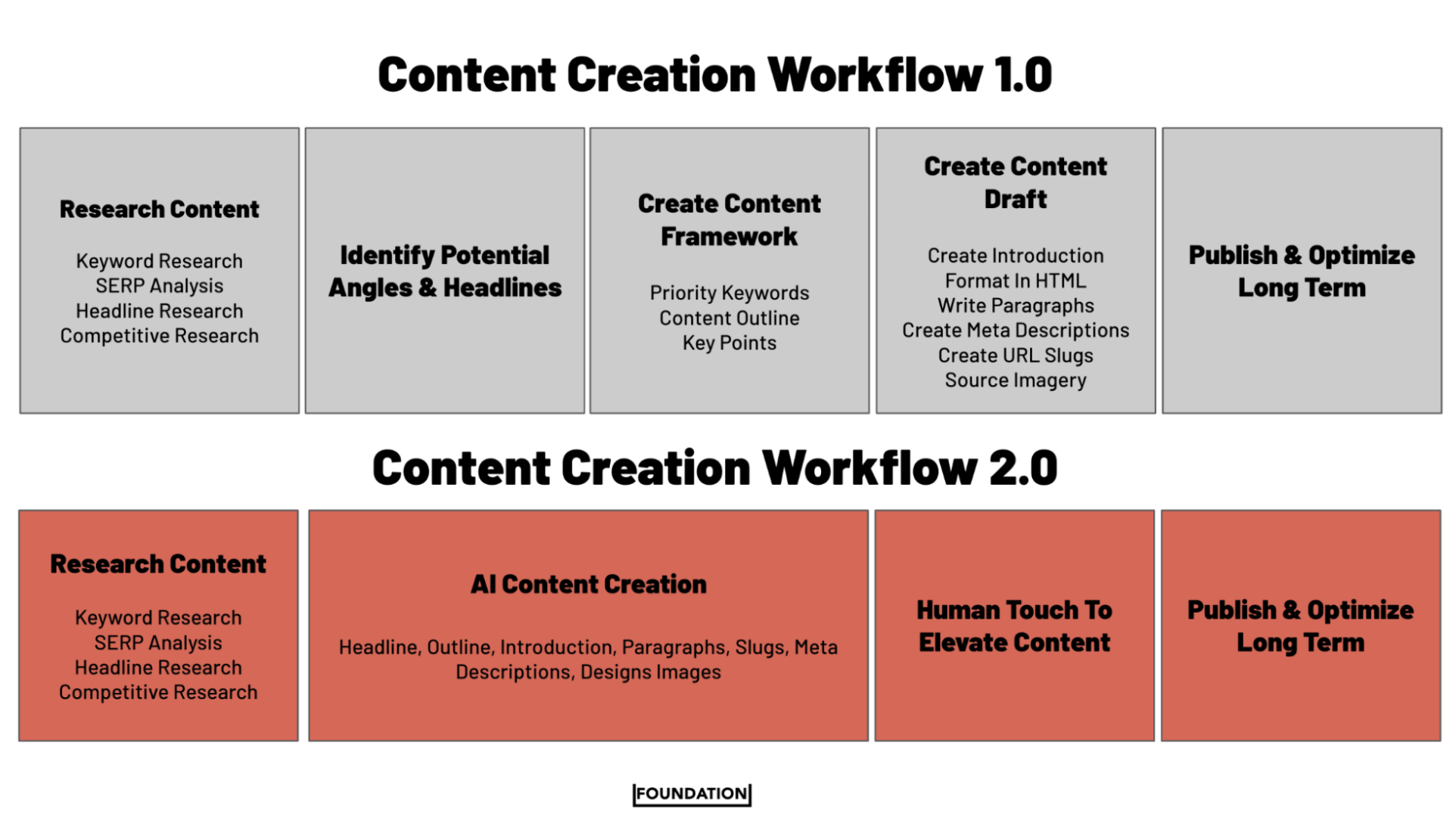
Content tools containing AI substantially improve the various efficiencies involved in promoting and producing content by automating the process of performing repetitive or time-consuming tasks. In most cases, AI tools allow teams to draft outlines, summarise articles or create initial drafts before being sent off for review.
By automating the repetitive or time-consuming aspects of content creation, teams can significantly reduce the manual labour necessary to create content, while increasing the speed at which content is produced.
Collaborative Consistency Across Multiple Channels
Most of the collaboration platforms available to marketers allow for increased levels of collaboration, regardless of whether you are working with a single marketing team or multiple teams collaborating together on a project. The key to this increased collaboration is the ability of AI-powered content creation tools to maintain a consistent tone, structure, and messaging from one channel to another.
As an example, Adobe and OpenAI both offer many different tools and features that can be used to create and edit content.
Practical Applications of AI by Teams
When looking at how marketers can use AI tools on a daily basis, it is probably best to look at the examples that most marketers use:
-
Creating Content Briefs in a More Timely Manner by Using Automated Research Summaries
-
Generating Different Headline Variations to Measure the Opportunity for Engagement
-
Repurposing Long-Form Content into Multiple Social Media Posts
With greater efficiencies achieved in the production of marketing content, marketers now have the opportunity to begin focusing on how they can use AI to engage deeper and personalise their message to their customer.
Personalisation Techniques that Drive Engagement Growth
Utilising Data to Understand Audience Behaviour
Marketers will be able to create engagement growth with their audience more efficiently when they leverage AI technology to analyse the behaviour of their audience as they interact with their content. Using advanced analytics technology, AI technology will enable marketers to track and analyse their audience’s behaviour on a much larger and more detailed scale than has been previously possible through traditional analysis methods.
Additionally, through the application of analytics technology, it is no longer necessary for companies to depend solely on anecdotal evidence and preconceived notions about an audience and their preferences.
Customizing Content for Each Audience
Ways To Personalize Content For Your Market
-
Matching the type of content a visitor views to that visitor’s interests or past interactions with similar entity or location.
-
Sending personalized subject lines for email messages to increase email open rates.
Assisting Creative Markets Create Content Using AI
Modern Marketing Departments Use Many Creative Options
How to Incorporate Creative Tools into Your Workflow on a Daily Basis
-
Designing quality visuals for social media based on established branded guidelines.
-
Creating various content formats from a single creative idea.
-
Experimenting with multiple creative versions and analysing engagement.
This allows marketers to focus on measuring and optimising long-term performance through simplifying creative execution.
Scope For Improvement By Using AI Content Assistance
Maintaining Consistency When Publishing at Scale
When companies publish at scale, it is critical to maintain consistency across the board. AI tools can assist marketers, by providing them with an automated checklist of brand guideline compliance, while also flagging tone and language use concerns.
These AI tools are typically supported by editing and quality check platforms like Grammarly and Microsoft.
Some include:
-
Enhancing the clarity and emotional relevance of headlines
-
Identifying the presence of repetitive phrases within content or weak transitions
-
Refining CTAs to create stronger connections with the audience
In turn, increased audience trust will translate into increased long-term engagement growth and the ability for teams to scale their content production processes in a responsible manner.
Scaling Content Marketing
As the demand for content continues to grow across platforms, scaling content marketing has become increasingly challenging. To help marketers manage greater workloads and draft or plan content more quickly, some AI tools can allow teams to publish frequently, reduce the workload placed on individual writers and improve workflow efficiencies through standardization of the way content marketing teams work.
Governance and Oversight of Content
While scaling is essential, maintaining control over the content remains essential to the success of a content marketing program. Marketers have the ability to establish a set of guidelines to govern how content is reviewed, edited and approved, and to maintain the overall branding tone and voice of the organization. AI tools can create a history of changes made and assist marketers in improving the workflow of these changes in relation to compliance.
Organizations like Content Marketing Institute advocate that content marketing teams establish a formal workflow system to ensure that they can monitor and maintain content quality as they scale up.
Examples of Smart Scaling Practices Founded by Successful Content Marketing Teams
Successful content marketing teams scale their content using small but very effective practices.
Data-Driven Decision Making for AI-Assisted Content Marketing
Determining How to Use Data to Make Decisions Regarding Content Marketing
The quality of the content marketing decision making process increases when data is utilized to guide the direction of a content marketing program. By accessing objective data, marketers eliminate Guesswork from their Planning efforts.
Marketers Commonly Use Analytics to Make Better Content Decisions
As teams use Data-Driven Marketing Practices, they will be able to utilize the information gained from these practices in the following:
-
Updating old content on the basis of new performance metrics
-
Choosing content formats that consistently produce higher levels of engagement
-
Adjusting publishing schedules on the basis of the Audience Activity Trends
When Data Drives the Content Decisions, the Content is More Relevantly Targeted and Successful, thus Creating Opportunities to Enhance Content Distribution Strategies.
Connecting the Performance of Content with Its Impact on Revenue
Developing an accurate ROI includes defining performance goals that are clear and measurable. AI tools will monitor specific metrics conversion, lead quality, and engagement rate. Therefore, marketers can see which pieces of content generate revenue and build their budgets accordingly based on visibility.
The relationship between content performance and the sales funnel is made possible by AI analytics. The data provided by insight will support continued investment in AI tools.
-
Comparing the performance of AI-produced content to that of traditional content
-
Monitoring the cost savings incurred by greater efficiency in workflow
Using AI in a Responsible Manner for Marketing Purposes
Content must not be published solely based on AI-generated results, but instead must be manually checked by a person. The training data used to create AI must reflect the diversity of customers and the presence of all genders and races when programming training data.
Companies implementing these practices will have more control over their brand image and audience trust. Practicing ethical behavior provides marketers with the ability to concentrate on producing content for long-term use with more confidence.
Training Marketing Teams for Adoption of AI-Generated Content
Increasing AI Literacy in Marketing Teams
By increasing knowledge about AI, marketers will have lower resistance to the changes associated with implementing AI into their marketing programs.
Facilitating Collaboration Across Job Functions
AI-generated content is best when created by the collaboration of content creators (writers), content reviewers (editors), and content strategists (marketers). Through collaboration with cross-functional teams, team members give each other’s feedback, share their workflows, and collectively improve their acceptability of AI-generated content.
Companies such as IBM are investing a large amount of time, resources, and funding into increasing the skills of their employees in using AI-generated content tools. The use of AI-generated content can increase productivity, but should not compromise creativity.
Recommended Methods for Training Marketing Teams
Marketing teams will use simple methods to train their teams.
-
Provide in-house training workshops on AI-generated content
-
Create shared “best practice”
-
Assign mentors within the MA—MA who will provide
Utilizing AI-generated Content Insights to Align With Business Objectives
The most helpful for marketers when aligning the use of AI-generated content is the alignment of the AI-generated content insights with the overall business objectives.
-
Identify topics that will provide lasting value to their target audiences
-
Determine when to update older high-performing marketing lines.
-
Determine the balance of short-term trends with long-term strategy.
Marketers are in a good position when they use structured marketing plans as a way of refining their execution of the marketing plan and preparing for innovations in future marketing practices.
The Role of Human Creativity When Using AI
The passion for creating and sharing content is not something that can be duplicated by a machine.
Without this emotional connection, the content you create will appear flat or predictable.
When Using AI as a Creative Assistant
Many marketers treat AI as a support tool when they create marketing content instead of a creator.
Marketers use AI to create ideas, outlines and/or variations of marketing content.
Then it is the human that creates the final message.
Companies such as Adobe have created creative tools to facilitate the collaboration of humans and machines in this way.
The result of using both AI and humans is to create content faster without sacrificing the uniqueness of the content.
How to Implement a Practical Balance of Human Creativity and AI in the Marketing Plan
A team creates a balanced approach to using AI for creating drafts of marketing content and humans for telling the final story.
Review the tone and emotion used in the content before publishing it.
Limit the use of AI when creating brand-defining content.
When human-led creativity is maintained, AI will act as an adjunct to the human-led creativity.
This will allow marketers to respond to future changes in how they create marketing content.
Risk Management & Limitations of Content Generated by AI
Limitations to Content Created by AI
An Artificial Intelligence (AI) system builds upon past information and types of actions present in the input information.
It may not accurately understand or create content laden with various dimensions such as creativity or present-day time-sensitive issues.
Content marketers must develop an understanding of the limitations associated with AI-generated content to support sound utilization versus overutilization.
Understanding the limitations associated with working with AI-created content allows marketers to avoid having unreasonable expectations regarding the results of the AI program.
Managing Risks Associated with Content Workflow
-
Limiting the AI system to only utilize reliable information and data
Preparing for the Future of AI in Content Marketing
Developing Trends to Monitor by Content Marketers
The use of AI continues to grow rapidly in the content marketing area.
Companies preparing for the future have taken different approaches to prepare their teams.
While companies have taken many different steps to prepare teams, common elements include the following.
-
Testing New AI Technologies Early
-
Updating Employee Skills Regularly
Evaluation should occur at a minimum quarterly.
Preparing for the Future
Preparing for the future creates a foundation that produces fewer disruptions.
A forward-thinking company mentality helps summarize best practices learned along the way.
Sustainability Should Be a Focus of AI Content Creation
Creating Sustainable Content Systems
Sustainable content creation refers to creating high-quality, consistent content that will be useful for the long-term.
Marketers create sustainable content systems by creating a culture that emphasizes long-term value versus quick turn-around time.
Companies should document their workflows so they can replicate what works.
Marketers should create a written plan that connects the technology selected to the goals and objectives as well as the target audience.
This helps maximize workflow efficiency and increase audience engagement.
Technology is a tool that support marketing strategies and not a substitute for marketing strategies.
Successful Companies Follow a Set of Best Practices
-
Regular evaluations of AI performance
-
Combining human insight and creativity with automated processes
-
Using audience feedback to update, modify or improve content
By following best practices throughout the use of AI technologies, marketers can create effective and trustworthy content.
Best practice principles help create an environment where best practice methods can produce strong conclusions.
Conclusion
AI-driven content creation offers many practical benefits to modern marketers.
If used consciously, AI content tools assist marketers in achieving their content marketing goals by improving efficiency in their workflows.