by
by Digital branding relies on influencer partnerships to help build human credibility behind a brand’s message rather than just placing ads in front of consumers (i.e., “interruptive”). A brand appears within a trusted creator’s (done well) content.
Influencers introduce Brands into the context of the content that audiences choose to consume. The natural introduction to these audiences, while remaining true to their interests & the culture of the platform, enhances visibility.
Brand Awareness Through Audience Trust
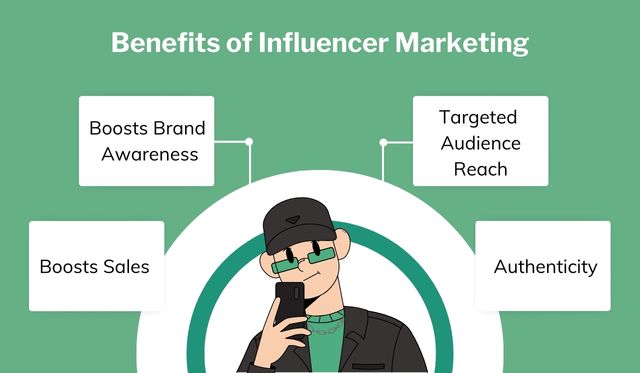
The speed at which Brand Awareness is accelerated is dependent on the relationship between the Influencer and their Audience. The Audience will be much more likely to see and remember the Brands that they trust, as they have been exposed to those Brands multiple times via the creation of creative content.
According to Sprout Social, the repeated exposure to an Influencer’s post improves the memory of the Brand exponentially more than a single paid advertisement.
Platform Choice and Brand Perception
 TikTok-Influencers.webp” alt=”https://agencygdt.com/wp-content/uploads/2025/05/How-To-Find-TikTok-Influencers.webp” />
The type of Platform that an Influencer uses will also affect how a Brand is viewed. The TikTok Platform is primarily used to drive discovery; Instagram is used for visual storytelling; and YouTube is where a deeper understanding of the product can be gained.
Sustained Visibility and Audience Trust

If executed correctly, the ongoing visibility of a Brand, through the planning process, will provide a foundation of sustained Audience Trust for your Brand and promote further future collaborations with content creators.
Influencers build audience trust by creating and sharing content about real-life experiences, opinions and day-to-day life experiences. As such, audience members see influencers as relatable and not advertisers. Trust in influencers transfers into a strong influence on the audience’s perception and decision making.
Authentic Influencer Relationships and Credibility

When brands partner with authentic influencers, brand credibility will naturally transfer to the brand. Audiences are far more likely to appreciate and respond to the message from a trusted influencer than an advertisement from a brand.
As stated by Nielsen, word of mouth from people is regarded as being much more credible than advertisements from a company, which means that influencer partnerships are an effective way to establish trust.
Long-Term Influencer Partnerships

Long term relationships with influencers are generally perceived to be more authentic than short term relationships; as such, these relationships lend themselves to more profound audience engagement and the development of content partnerships with meaning.
Content Collaboration as a Driver of Digital Branding Performance

The potential for creative content, rather than simply promotional content, exists for all brands when collaborating with influencers. Many times, influencers know more about the trends and interests of their audiences than do most brands. When brands collaborate with top-tier creators on combining brand messaging along with the storyteller’s voice, they create a much more relevant and engaging piece of content.
Great collaboration is built upon an understanding of mutual goals and defined expectations for both parties. The brand would need to provide the influencer guidelines surrounding the messaging; however, they would want to be flexible to allow for the inventor to create as well.
As time passes, content collaborations help to foster brand familiarity and consistency. This familiarity creates greater brand involvement with the audience due to increased exposure to trusted creators, and consequently, repeated exposure leads to increased overall digital branding impact on long-term brand recall, levels of engagement, and long-term brand value.
Measuring Engagement and Brand Awareness

Engagement metrics measure how well an audience relates to a brand emotionally through comments, shares, saves, etc. According to Google, Branded Search Lift is an indicator of how much Brand Awareness was generated by External Content.
Choosing good influencers is an important part of developing digital branding strategies. A smaller number of engaged audiences from a brand’s perspective usually provide better results for brand awareness compared to larger followerships with very little engagement.
A poor match can result in the breakdown of trust and damage to credibility of the brand and brand’s long term success.
Balancing Brand Control and Creator Freedom

Achieving a balance between maintaining brand control over what’s produced by the influencer while allowing the influencer enough creativity to produce content that truly represents their style of voice is critical for effective digital branding strategy development.
Strategic Influencer Partnerships for Digital Branding Impact

Digital branding is strengthened through strategic partnerships with influencers, which align a brand and its message(s) with creators and their audience(s) and provide less resistance to advertising. Consumers are more receptive to branded content when it is presented alongside their favorite creator’s message(s), and that content has more relevance and attracts and holds consumers’ attention and builds an emotional connection with them than any other type of advertising today on rapidly changing social media platforms around the world.
The success of a collaboration between a brand and a creator relies on the partnership’s alignment between the brand and creator’s values, which allows for the authenticity of each to be maintained and for the natural transfer of the creator’s credibility to their audience and for their audience to build trust in the partnership through the common tone, honest storytelling and transparent disclosure that leading industry guidelines encourage.
According to research conducted by Nielsen, consumers trust individual recommendations more than advertisements and therefore, compared to ads, influencer marketing is effective in raising brand awareness, brand recall and positive brand sentiment when partnerships focus on relevance over reach for modern digital branding strategies.
The measurement of influencer marketing campaigns must include meaningful signals supported by Google tools to provide the brand with a connection from their creator(s) activity to tangible digital branding outcomes over all their campaigns, channels and markets, consistently.
Influencer Marketing and Brand Awareness Expansion

Brand awareness is expanded by influencer marketing because it utilizes the digital branding messages within the content the audience already willingly consumes. This allows brands to reach new audiences within a natural environment, and avoid the repetitive ad fatigue that is often experienced by users of highly populated social media platforms and feeds.
Using Data to Guide Influencer Selection for Digital Branding

Selection of an influencer through data analysis enhances a brand’s digital presence and ensures that collaborations are based on the needs and interests of actual audience members rather than just trendy names. Brands now examine the quality of influencer engagement, their audiences’ demographics, and the performance of their content before engaging any creator. By using this method, brands can also minimize their wasteful spending and maximize relevance in all of their marketing efforts.
Data also provides a means for brands to identify the audience match of an influencer to help determine if that influencer will reach their desired customer base. Use of metrics such as comment sentiment, save rates, and time spent viewing content will help identify audiences with higher levels of interest. Sprout Social states, “The importance of engagement consistency as an indication of potential success is greater than any measure of follower growth alone.
Additionally, use of data in influencer partnerships creates confidence in respect to brand integrity and values. Brands will have greater faith in their selections, while the creators will achieve even greater results. The structure created through the use of data will support better overall performance going forward and build a sustainable influencer marketing model.
Conclusion

Companies that take a balanced approach to digital branding will create an environment that feels personal, humanized, trustworthy, and impactful to both the Consumers and Brands over time.