by
by The role of digital branding has shifted significantly in light of modern technology’s impact on how we market. Increasingly, as more and more consumers are moving from traditional media channels to the web, the need for brands to continually enhance their presence, credibility and relevance across numerous digital touch points is paramount to their success as a business.
In 2025, the evolution of digital branding will continue beyond Visual Elements (logotype, color pallet, etc) to include things like Customer Experience, Personalisation, Technology Integration; Together, these elements create and communicate the overall “perception” of your brand to its audience.
In addition, businesses that follow the Marketing Trends 2025 are placing a greater emphasis on developing a long-term brand strategy versus the use of short-term promotional tactics to create a stronger emotional relationship with their customers and to keep up with the rapidly evolving digital landscape.
Personalization-Focused Digital Branding and Customer Trust
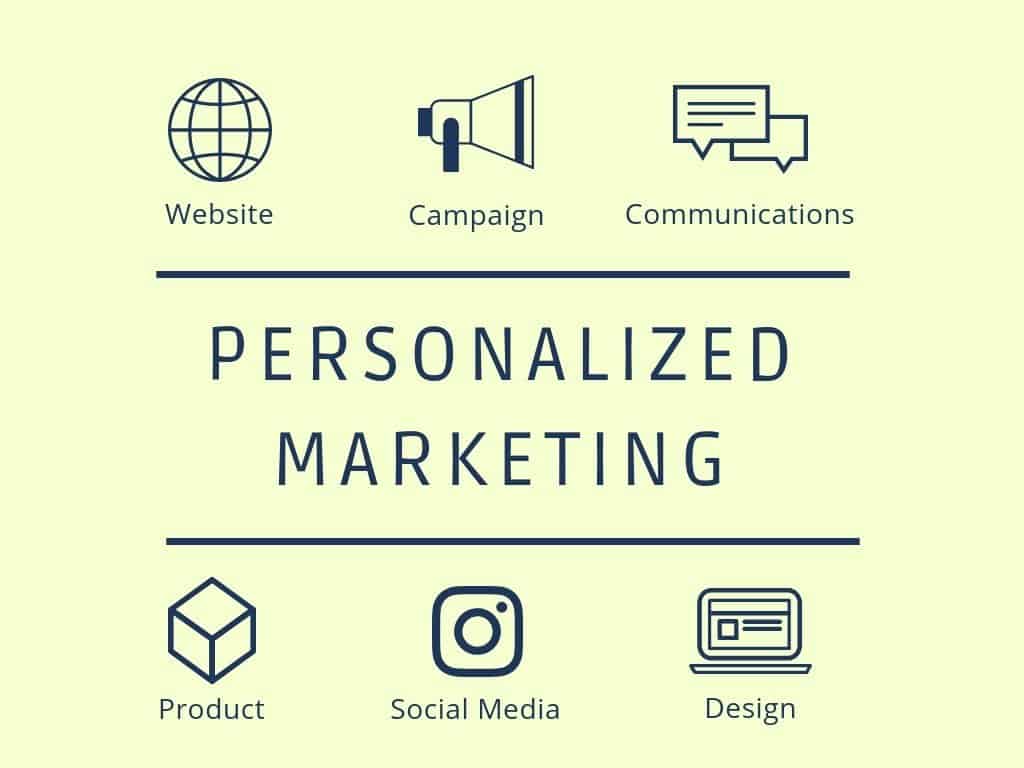
In addition to increasing the number of brands entering into the digital marketplace through innovation and transformation of the way brands communicate and compete, an understanding of current digital branding trends enhances the ability of businesses to develop and strengthen brand trust, increase engagement, and create an emotional connection with their customers.
Customers are more inclined to trust a company’s brand when that brand Offers Valuable, Timely, and Non-Intrusive Personalized content.
Advantages Associated with Personalization-Focused Digital Branding
-
Increased Campaign Performance Through Measurable Insights.
Nike is an Example of a Global Brand That’s Captured Their Global Identity Through Personalizing Their Story Telling (And) Sustaining Long Term Loyalty to Their Brand.
Digital Branding Adaptation of Privacy First Marketing Models

Privacy is Shaping The Trust People Place In Their Brands
Regulatory Environment is Shaping How Brands Create Digital Branding Strategies
Practical approaches to Privacy-Focused Branding
Digital branding Strategy development is Quickly Adapting to Privacy First Marketing Types as Consumers Become More Protective About Their Own Personal Data. Today, Trust is One of The Most Significant Influencing Factors On How People View Brands and Who They Are Loyal To Long-Term.
Privacy Regulations and Platform Policy Changes Have Forced Brands to No Longer Track Consumers Invasively. According To McKinsey & Company Reports, When Brands Are Transparent With Their Customers, They Perform Better Than Their Competitors In Times of Market Uncertainty.
Privacy-Focused Digital Branding and Ethical Data Use
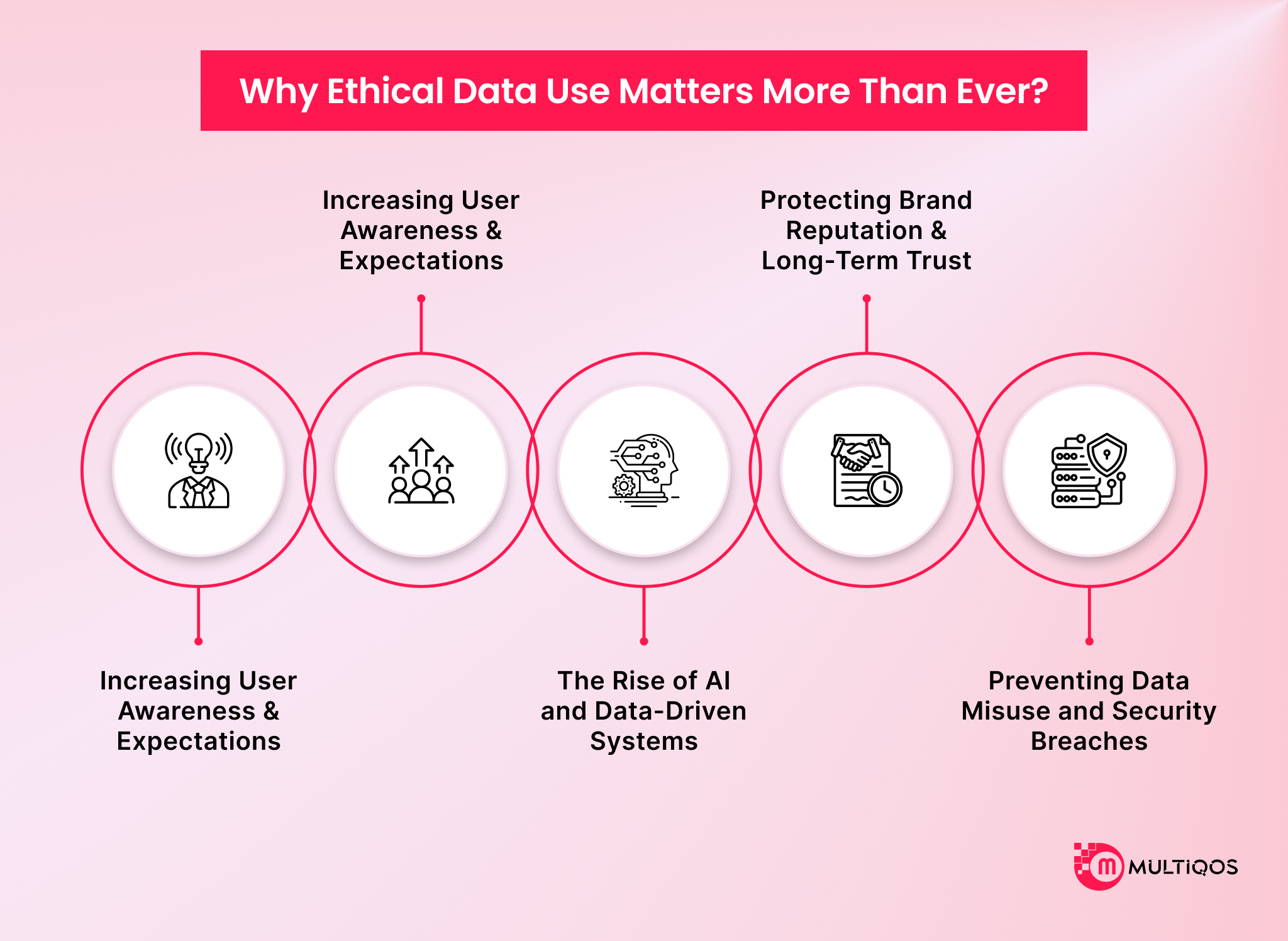
Privacy-Focused Digital Branding is a Result of Honest and Open Communication And A Clear Value Exchange With Customers. Customers Will Respond Positively To Brands When They Are Given An Explanation Of How Their Data is Used, Why It Benefits Them, And A Higher Quality of Experience Than If They Are Tied To A Complex Privacy Policy.
Artificial Intelligence (AI) and Automation in Digital Branding
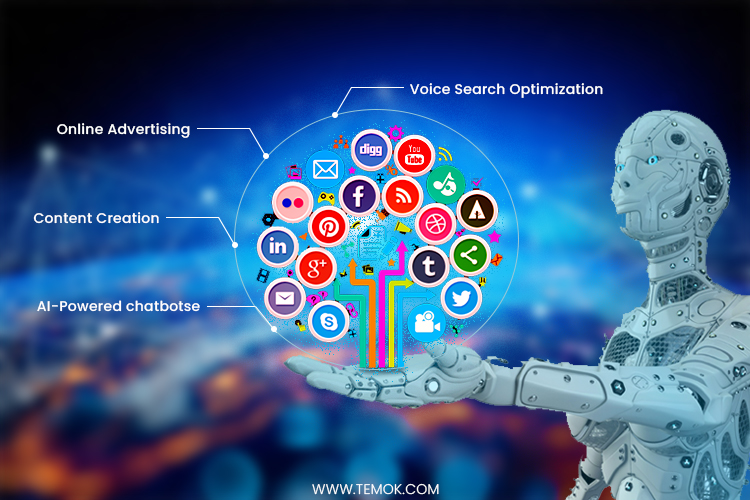
By 2025, AI is expected to dominate how Digital Branding is created, developed, and maintained. With AI, companies will have the ability to examine customer behavior more efficiently, identify customer insights faster than ever, and optimize their marketing campaigns faster than a human-centric marketing environment.
Automation platforms allow digital marketing teams to create and execute a scalable Omnichannel experience while remaining in control of their branding. Solutions available through Salesforce and HubSpot will allow marketers to maintain a consistent voice, visual image, and messaging through their various digital channels.
Digital branding powered by AI, in many ways, offers a real-time personalized experience that is better able to meet a customer’s needs in the moment.
Excessive use of automation, without direction from clearly established corporate values and purpose, can lead to a robotic feel.
Connecting Digital Touchpoints

The need for Omnichannel Branding
Ecommerce and Content Platforms significantly play a role in developing the connective digital journeys that brands are taking their customers through.
Brands that utilise Shopify as part of their ecommerce strategy are now able to combine shopping experiences, storytelling, and customer service into one cohesive digital experience.
Omnichannel Digital Branding offers several benefits, including:
-
Increased customer satisfaction due to seamless transition experiences;
-
Consistent messaging will create stronger brand recall;
-
Connected customer data will provide greater insights for brands.
As the needs and expectations of customers continue to grow, brands should begin to invest in omni-channel systems that allow for continued Digital Transformation to ensure that their Omnichannel Digital Branding continues to scale and is market-ready for the future.
Social Media and Digital Branding Strategies
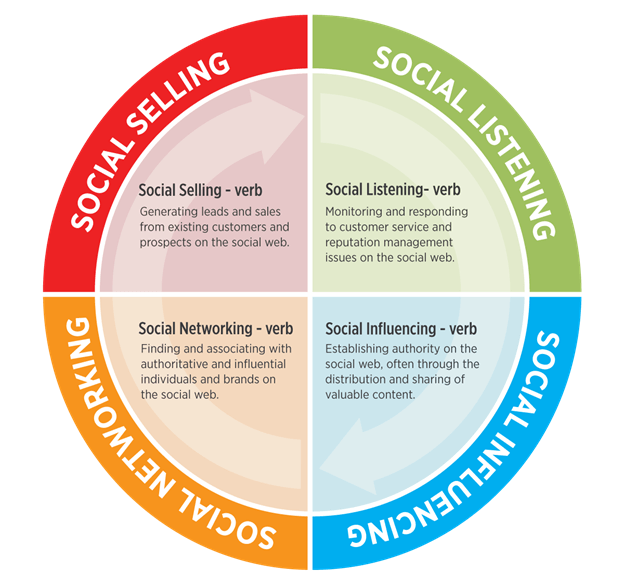
A consequence of the evolution of social media platforms are digital branding strategies.
Social media platforms are no longer just a way to promote brand name or product.
Today social media platforms act as a full ecosystem for the creation of brand identity, culture and community.
The use of video, interactive content, creator collaboration as a means to engage the audience is becoming increasingly popular.
Brands that adjust, adapt and create an online presence in the form of these types of content have greater visibility and emotional connection to their audience.
For example, Brands on platforms powered by Meta can use Reels, Stories and Live interaction with Users allows Brands to connect with Users through an immersive experience, creating a two way dialogue.
Digital Branding as a Community Based Form of Branding

Community Driven Digital Branding focuses on listening, responding and co-creating content with the community.
Conversations and shared values are the basis of successful Community Driven Branding.
Key components of successful social branding include:
-
An authentic voice consistent with the brand’s values.
-
The brand has consistent interactions with followers through likes, comments, shares and through responding to questions.
-
Collaborative and meaningful partnerships with creators, as these partnerships create unique experiences for Users.
As social platforms are continually evolving, businesses will have to measure the impact of their content in ways that go beyond likes, and views.
This is leading naturally to the development of Performance Driven Branding Strategies.
Digital Branding Based on Performance Measurement
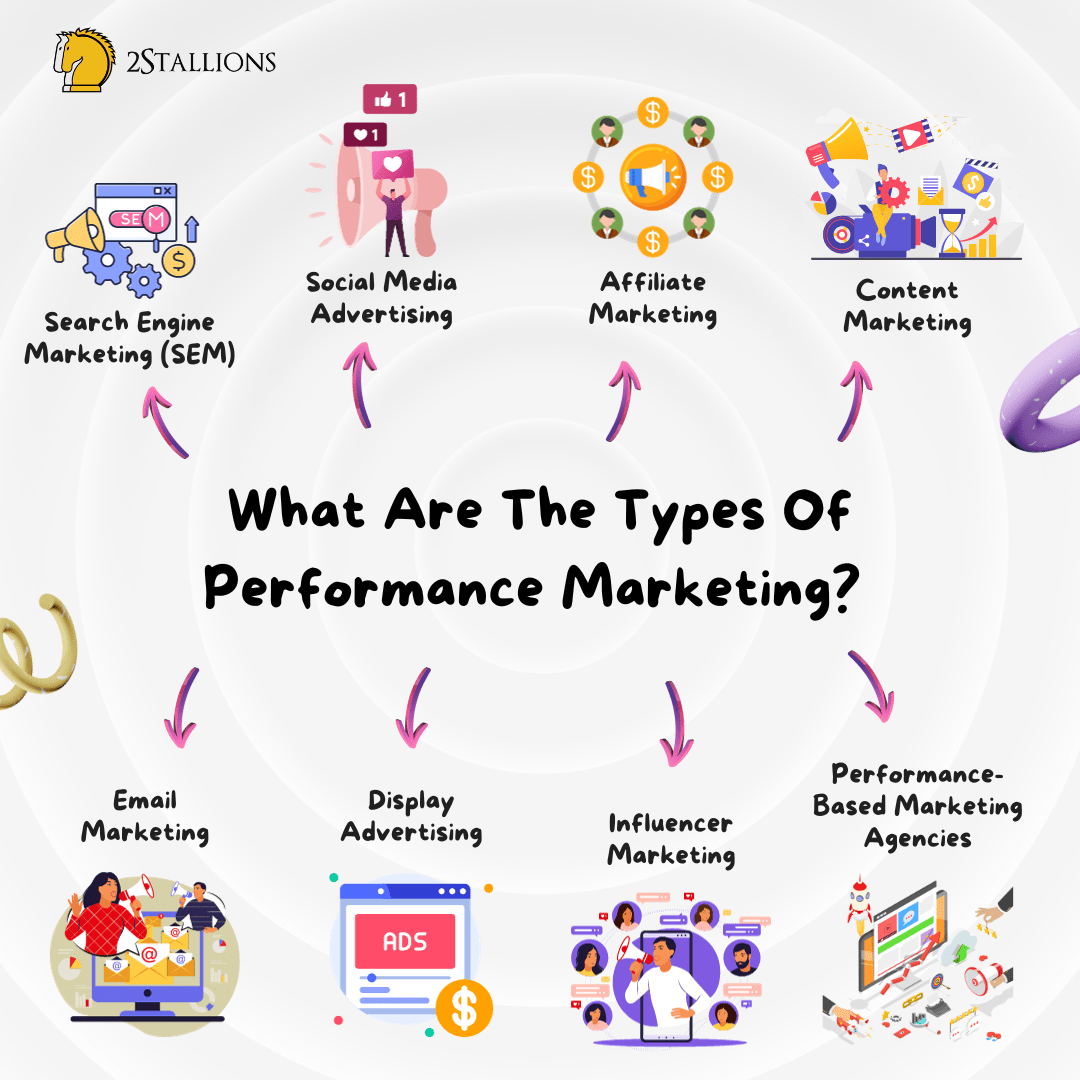
Utilising insights gathered through measurements of performance to shape their future digital branding strategies.
The use of Performance Measurement in the form of Advanced Analytics to allow marketers to shape smarter decisions regarding their Marketing.
Advanced Analytics dashboards, specifically designed to assist Marketers, are the key to visualising the performance of Content across platforms.
Through the use of Advanced Analytics Tools powered by Google, Brands are now able to see how their Branding Metrics are Directly Related to Real Customer Behaviour.
Purpose and Values in Digital Branding for 2025
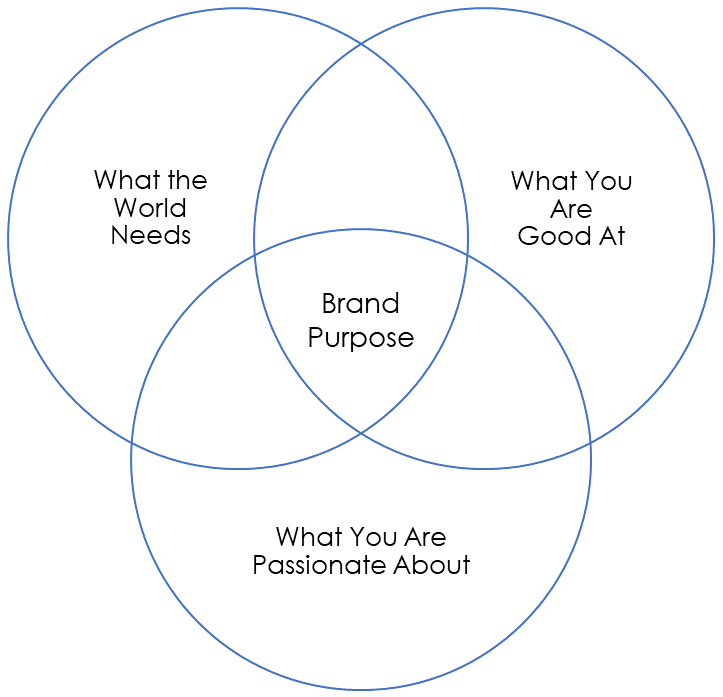
Brands will have more success building emotional connections with their consumers and building loyalty to their brands by positioning themselves as purpose-driven brands.
Consumers perceive purpose-driven brands as authentic and trustworthy brands when a brand’s Purpose and Values align with how they behave.
Aligning purpose with a company’s behavior is especially important when social and economic instability exists.
Many brands use a Purpose-driven digital branding strategy.
Brands like Patagonia consistently integrate Environmental Responsibility into their Marketing and Customer Engagement communications.
Purpose-driven digital branding provides brands with…
-
A stronger emotional connection with their Target Audiences.
-
Greater trust and credibility as a brand among Consumers.
-
Greater loyalty from their Customers over time.
Digital Branding and Sustainability
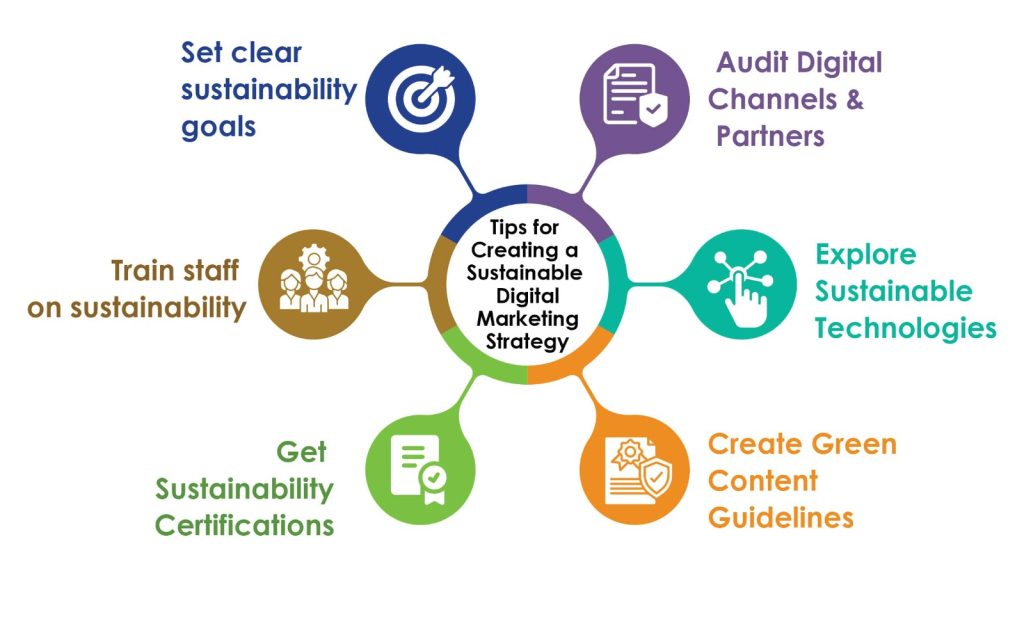
As consumers are becoming more interested in brands that promote sustainable practices and demonstrate an awareness of their impact on the environment (through sharing information about what they are doing to be Green) brands are realizing the importance of communicating sustainable practices digitally.
Digital Branding Strategies should support sustainable practices and responsible marketing.
Customers are increasingly making purchase decisions based on brands that promote sustainable practices through transparency and Digital Branding.
Brands that practice sustainable Digital Branding will not only create a competitive edge through its communications, but also earn credibility and reduce the level of scepticism associated with “greenwashing”.
In addition, many organizations are utilising different Digital Platforms to promote their Sustainability Initiatives.
Brands that partner with organizations such as World Economic Forum and others help to create partnerships which allows them to align themselves with Global Sustainability Goals and Responsible Innovation.
Branding focused on Sustainability should typically include:
-
Logical Reporting on the Environment
-
Genuine Storytelling about the Obstacles and Progress Being Made
-
Consistent Messaging Through Digital Platforms
Digital Branding Utilizing Emerging Technologies

New Technologies Changing the Way Brands are Perceived
Innovative Technology Providing a Competitive Edge to Brands
Preparing for Future Digital Branding Initiatives
Digital Branding in 2025 will see continued Growth through the Development of New Technologies such as Augmented Reality (AR) and Voice Search.
Companies will utilise these new technologies to create Interactive Experiences that Create Emotional Connections with their Customers and Create New Purchasing Opportunities for Customers.
Technology Driven Branding also Provides Companies with an Opportunity to Create Innovative Formats While Maintaining Brand Consistency.
Companies that are Early Adopter of these New Technologies Will Gain a Competitive Edge in Creating Unique Digital Interactions with Their Customers.
Large Technology Providers Play a Critical Role in Supporting the Innovation Development of Digital Branding.
Companies that Partner with Technology Providers such as Microsoft (Cloud Infrastructure, AI Tools, and Digital Branding Platforms) are Better Positioned to Efficiently Scale Digital Branding Initiatives.
Some of the Benefits of Emerging Technology Driven Branding Include:
-
More Engaging/Interactive Customer Experiences
-
Higher Level of Differentiation Within Competitive Markets
-
Greater Flexibility/Capability to Adapt to Future Trends
The increased rate of Innovation Requires Brands to Align their Adoption of New Technologies with a Clear Brand Strategy, in Order to Ensure that Digital Branding Continues to Provide Value to the Brand and Is Not only Technologically Advanced.
Digital Branding incorporates Customer Experience Design
Experience Design – a Differentiator in Branding
Customer Centric Journey Design
Experience Driven Brand Loyalty
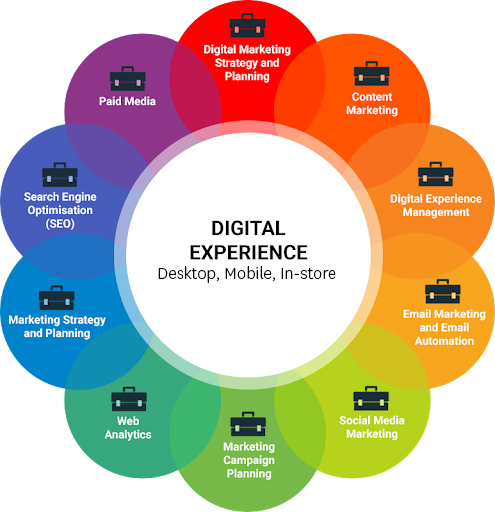
In 2025, Digital Branding will be dependent on the design of Customer Experience across all digital interaction points. Brands will be evaluated not just for the message they convey, but how easy, useful and enjoyable customers feel their experience is, during every part of their journey with the brand.
An Experience-Centric approach to Digital Branding, focuses on User Friendliness, Speed, and Emotional Satisfaction. When a customer visits a website that loads quickly, interacts with an App that feels easy to use, and receives Responsive Support, the customer has a higher level of Trust and Brand Preference.
Experience Design in Digital Branding appears to produce more Brand Retention as well as Increase Brand Advocacy. By using Zendesk’s Customer Experience Platforms, Companies improve the quality of their Support while keeping their Brand’s Voice Consistent across all Channels.
Outcomes of a Strong Customer Experience Driven Brand
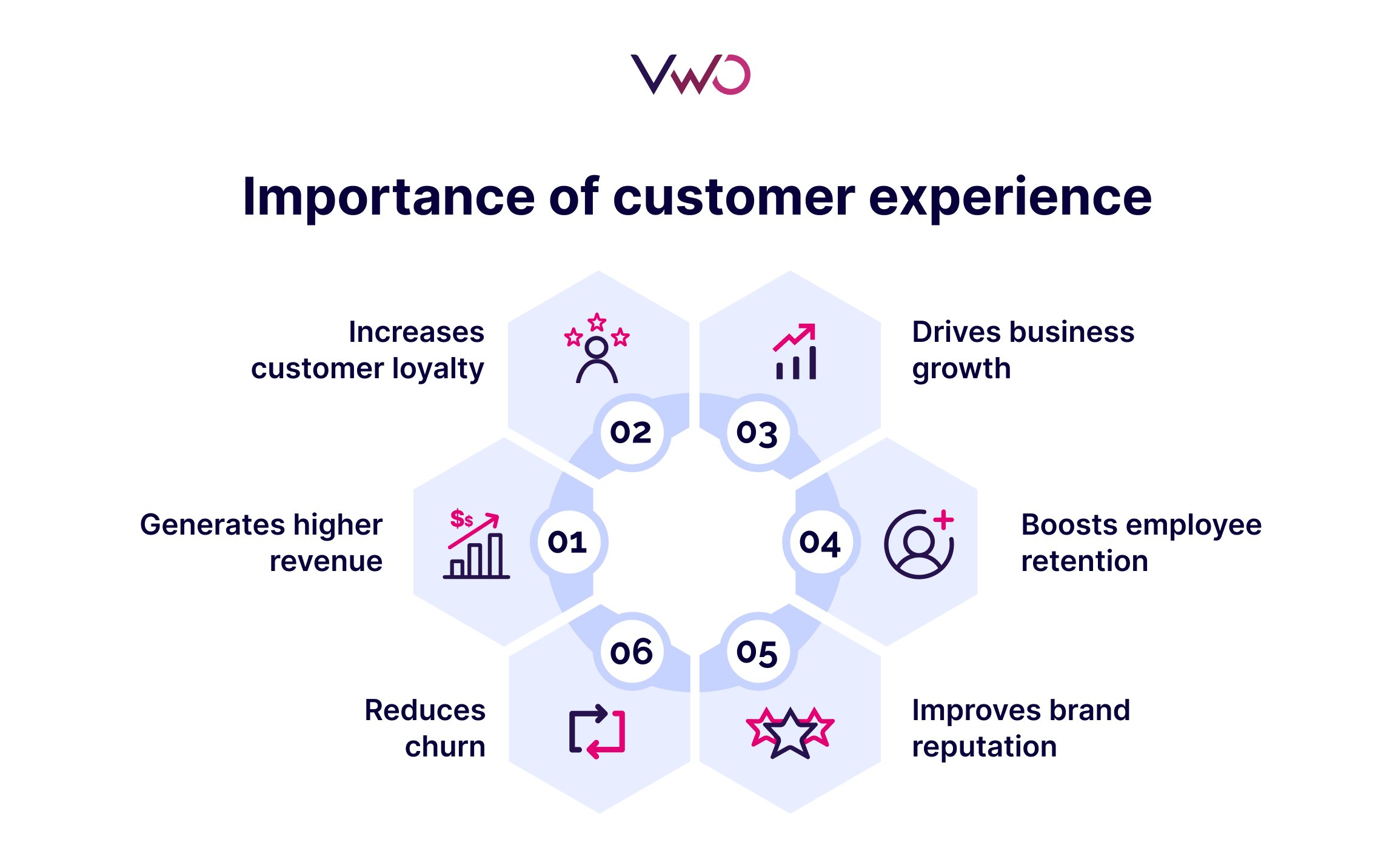
A Strong Customer Experience Driven Brand will provide:
-
Increased Satisfaction and Repeat Engagement
-
Less Friction in the Digital Interaction Process
-
Stronger Emotional Connection with the Brand
Brands are going to need to incorporate Experience Design into their Overall Brand Strategies in order to meet Customers’ Increasing Expectations of their Brands, and therefore remain Competitive within their Marketplace.
Digital Branding with Agility and Speed
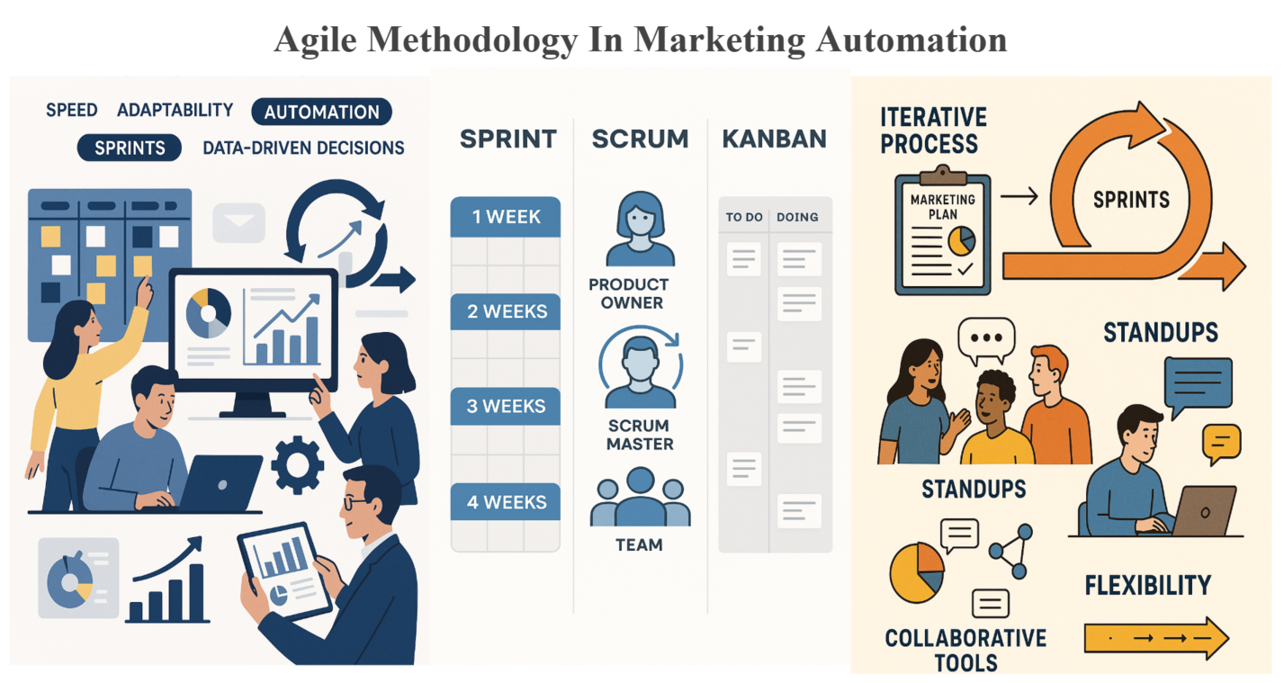
Fast Adaptation = Branding Advantage
Most Digital Branding Strategies today are focused on the Agility required due to the rapid changes in the Marketplace, Platforms and Consumer Behaviors.
Technology Leverages Shared Flexibility and Fast Decisions as part of an Organisation’s Brand Strategy. Through automation tools such as Slack and collaboration platforms built on cloud-based solutions, organisations are making quicker decisions and implementing them more rapidly than ever before.
Benefits of Agile Focused Digital Branding
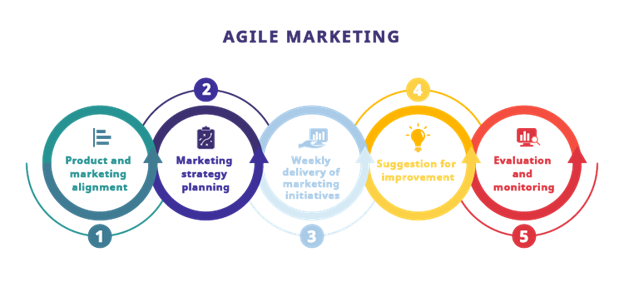
Benefits of agile focused digital branding include:
-
Speedier responses to trends and customer feedback;
-
Lowering Risk due to inflexible long-term campaigns;
-
Prepared for long-term growth via strategic digital branding
To be able to deliver digital branding solutions to customers, organisations must think about their future branding strategy with the intent of being prepared for continued sustainable growth.
Designing Brand Experiences for Long-Term Consistency
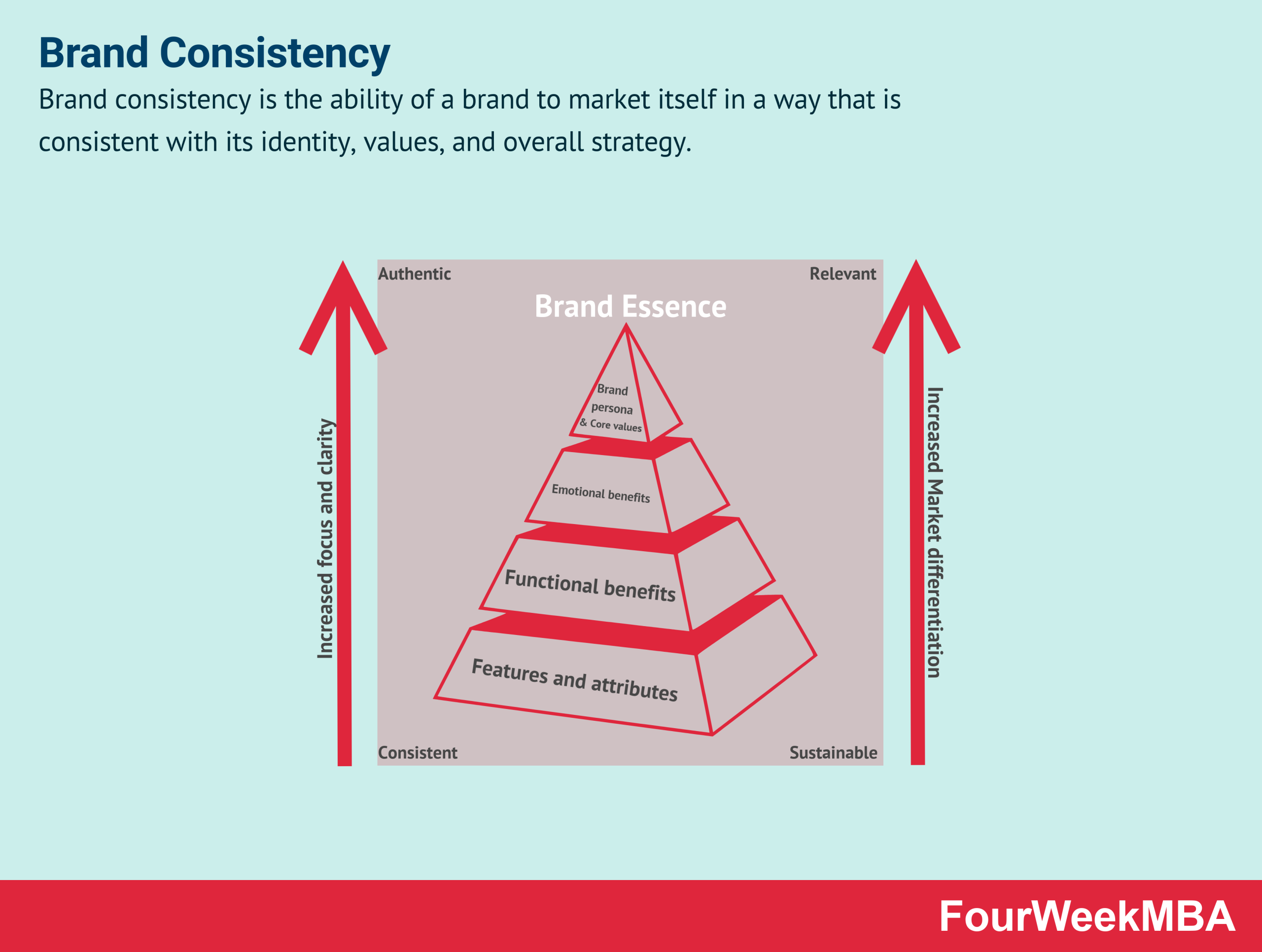
Brand experiences must be designed with the understanding of how to balance innovation while maintaining consistency with the organisation’s core values so that the organisation does not lose its identity when integrating into the evolving digital landscape.
Preparing for the 2025 Digital Brand is ultimately achieved by aligning the marketing innovation initiatives to the organisation’s clearly defined brand vision and values, so that organisations can begin to leverage the new technologies/tools that create customer confusion and dilute the value of the organisation’s brand.
Effective brands will ultimately create digital branding strategies as evolving systems that support their long-term business strategies rather than just as isolated campaigns.
Companies such as Accenture are advocating for integrated, long-term digital branding strategies aligned with their clients’ long-term business strategies.
Core Components of Long-Term Digital Branding Strategies
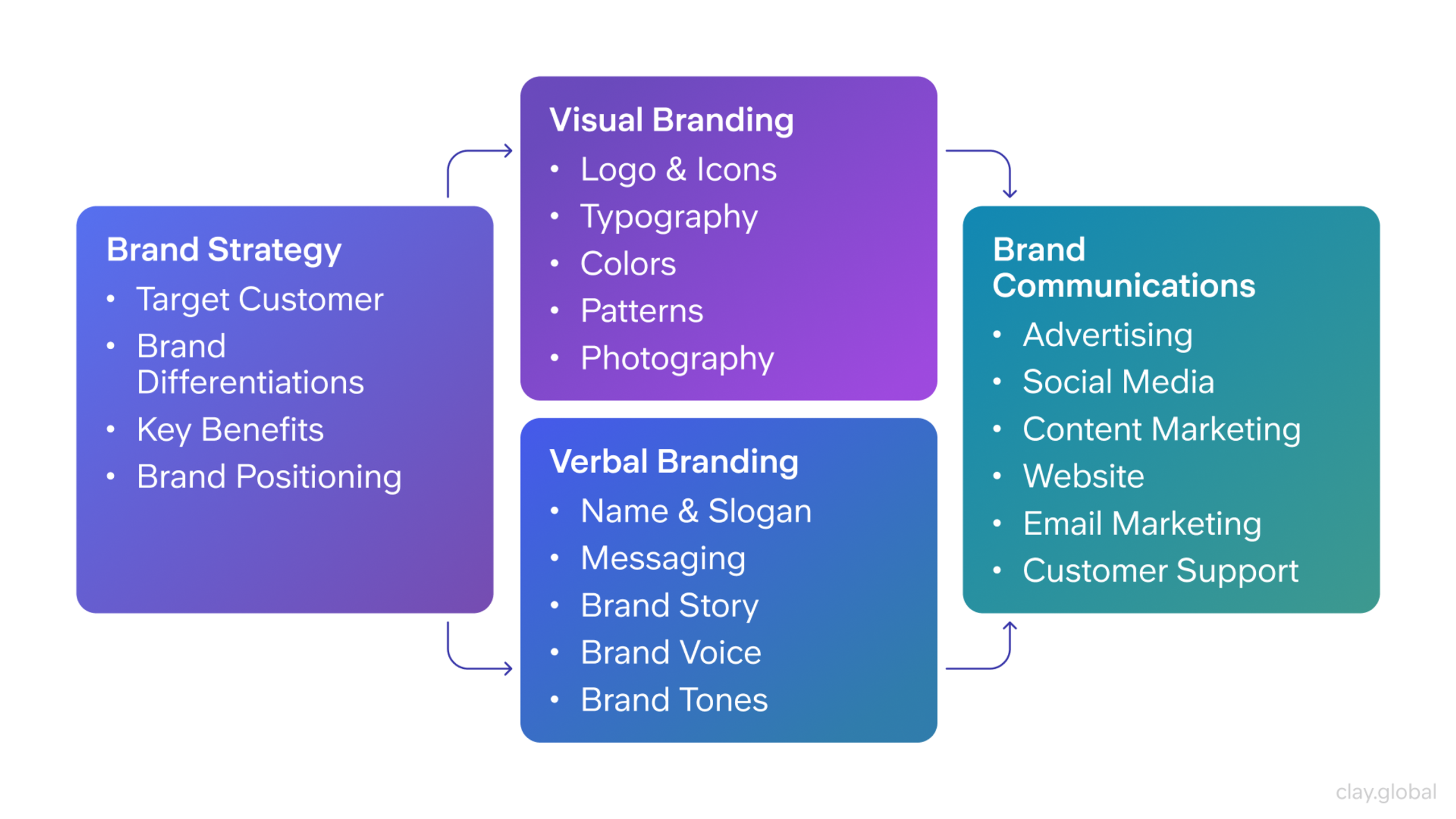
Digital branding strategies which will most commonly encompass the following are:
-
Continuous Learning and Experimentation
-
Formal processes allowing for Governance of Brand Consistency.
-
Investment in Scalable Technology Infrastructure.
Brands that are preparing to leverage digital branding beyond the short-term trend will be able to create lasting brand relevance and create a resilient digital brand in an evolving digital economy.
Conclusion
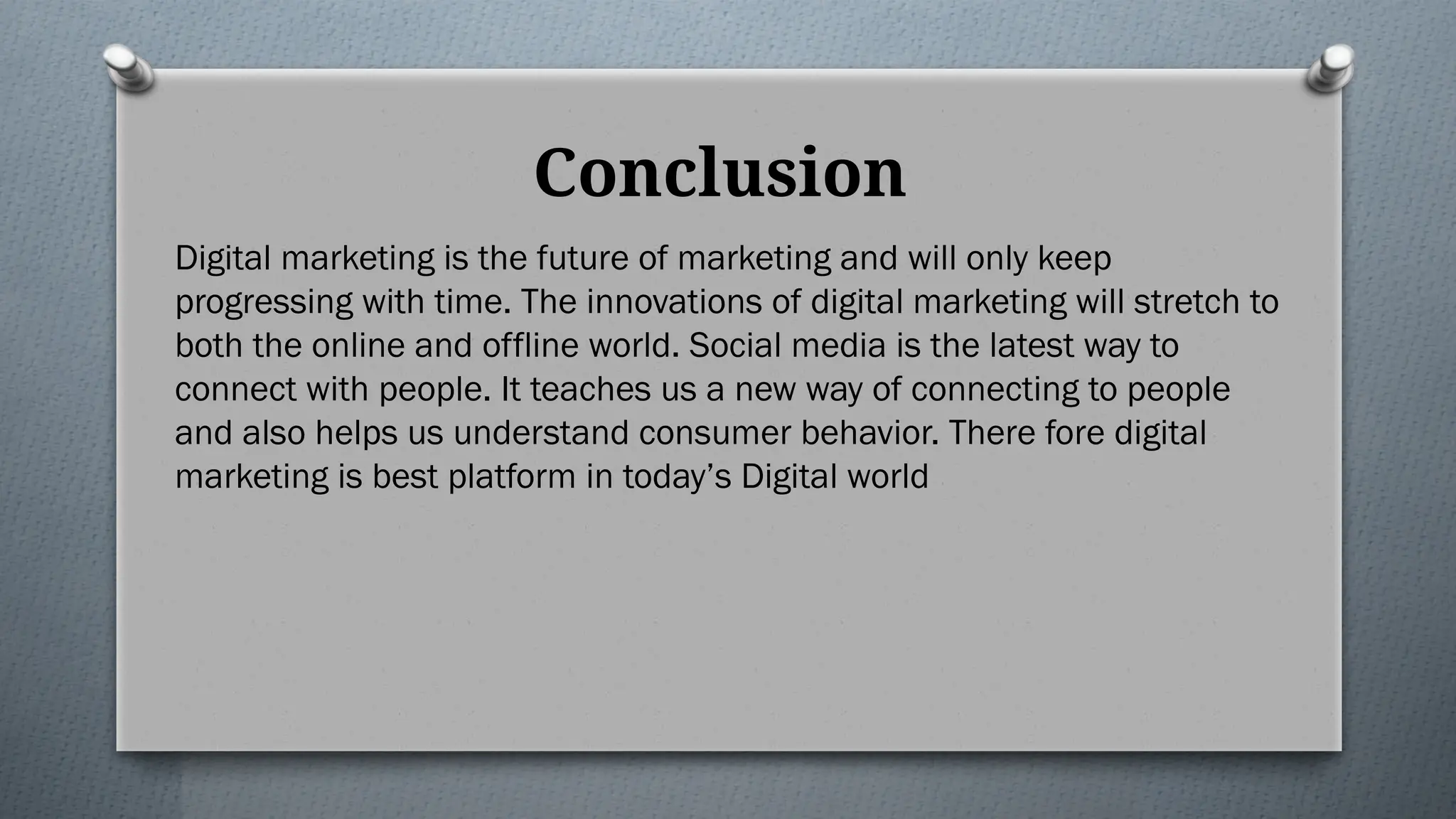
By applying their marketing efforts in 2025 to a well-defined Brand Strategy, Brands will have a greater opportunity to adapt to changes that occur over time.
If an organisation’s Brand Strategy embraces Innovation and Digital Transformation, they will be able to create the most sustainable brand, and develop a more meaningful relationship with their customers, rather than just gaining their attention for a moment.
To succeed within the Digital Branding Environment, an organization should focus on the needs of the people they service and use technology as an enabler to facilitate this.