by
by Digital Branding Has Entered New Phase due to the Shift in How Consumers Expect Brands to Build a Relationship with Them Based on the Consumer’s Needs.
Given that consumers today are looking for brands to provide a personalized experience based on their individual experiences, brands today aren’t just competing on the overall brand visibility of their brand; they are also competing within the digital space for the continued engagement of consumers via meaningful interaction across the digital channels that consumers utilize today.
The Role of AI and Personalisation in Brand Engagement

Brand Engagement through the use of Personalisation
Personalisation through the use of AI plays an important role in how brand engagement is improved and strengthened through the ability to make digital communications much more relevant to the audience.
Digital brands can now create customised experiences for each customer based on his/her unique behaviours, preferences, and buying histories and therefore, individualise communication with their audience as opposed to using a blanket approach to audiences.
Examples of Real-World Personalised Engagement with Customers

Many well-known companies are using personalisation in their platforms (eg. Netflix) by implementing personalisation engines that suggest content based on customers’ previous interactions with that company.
Impact of Personalisation on Brand Engagement

-
Personalised emails lead to higher open and click through rates.
-
Dynamic websites adjust the content that a visitor sees based on their previous activities.
-
AI delivers improved content recommendations that lead to greater user satisfaction.
As the level of customer engagement continues to rise, so does the level of perceived value that customers have for brands. The enhanced customer experience has become the third major pillar of Digital Branding.
Customer Experience is the Third Major Pillar of Digital Branding

The customer experience has become a key factor to successful digital brand strategies, as the level of ease, helpfulness and consistency that the customer experiences will determine how successful that brand is with the audience.
All of the key touchpoints (websites, social media options, etc.) that a customer has with that brand will play a significant role in determining the overall perception that the consumer has of that particular brand.
Marketing Technology Supporting Digital Branding

Brands would struggle to maintain consistency across all of their channels if they lacked the proper technology to do so.
Examples of Platforms that Assist Brands with Executing their Branding

Building Trust with Customers by Focusing on Transparency
-
Clearly stating how customer data will be collected and used
-
Easily communicating benefit of personalization through simple language
-
Providing access to privacy options easily.
Promoting a culture of transparency builds confidence in customers and creates a greater likelihood of engagement.
Digital Branding Decisions Are Influenced By Data Privacy

The emphasis on trust also creates a renewed need to focus on managing privacy within digital branding strategies.
Growing Expectations For Privacy

Data privacy is one of the most important things that influence the creation of digital branding strategies, and as such, they must accommodate the expectation of customers who want brands to secure their personal information, and still provide them with personalised products/services.
A simple mistake in how a brand handles its customers’ private information can quickly lead to dismay from the customers and ultimately damage the brand’s reputation and faith from the customer base.
Branding And Legislative Compliance/Reliable Branding

Legislation from around the world, including GDPR, has changed the way brands collect and control data about their customers.
Brands must follow the regulations to be compliant with them, but also to follow a responsible method of branding that demonstrates the brand’s concern for the customer’s entitlement to rights regarding how their information is collected and used.
Brands that demonstrate they are complying with their privacy practices reflect trustworthiness, and therefore, concern for the customer.
Brand Engagement in a Digitally-AI-Powered Landscape

The Evolution of Brand Engagement
The manner in which we engage with brands has shifted from passive to highly engaged, and from static to highly personalised.
Digital branding now requires brands to maintain two-way communication with customers instead of simply sending them one-directional messages, making effective use of artificial intelligence (AI) to respond in real time to how customers respond to brand communications.
Tools That Are Driving Brand Engagement

AI-based tools such as conversation bots, product/sales recommendation systems, and dynamic content-based engagement allow brands to improve the quality of their engagement levels, while still allowing brands to be responsive without losing their consistency in product/service delivery and overall brand character.
Customers feel more valuable when they have timely and relevant interactions with the brand.
Factors That Drive Brand Engagement

Capacity to Deliver Meaningful Interactions Based on Customer Intent
More significant engagement creates deeper emotional ties between customers and brands, which is a natural progression to how creativity and technology have improved the effectiveness of digital branding in today’s digital market.
The combination of creativity and technology to create digital branding (i.e. brand experiences delivered digitally) has created an opportunity to create a “human” and “innovative” experience.
This combination of creativity and technology (AI) supports creative teams in providing valuable insights on creative, messaging and storytelling decisions through data analysis.
Thus, allowing the brand to remain original while also providing insights through the data collected on that brand.
An example of how Creative Platforms enable brands to test different visual formats, layouts and images consistently with their branding, using tools developed by companies such as Adobe, supports brands in their creative process.
Scaling Personalization Through Digital Branding
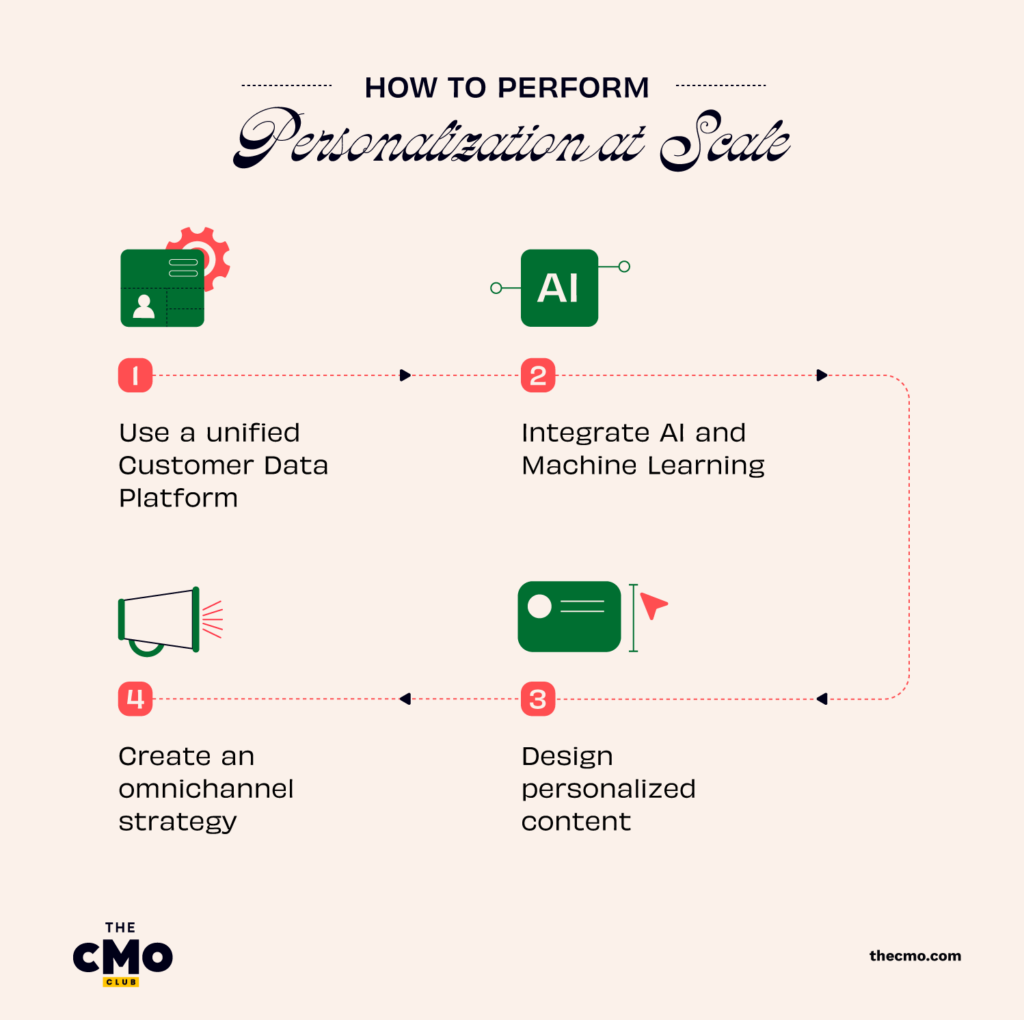
As brands continue to scale their audience, brands must continue to remain relevant to their target audience.
Digital branding provides an opportunity for brands to connect with consumers through a consistent brand experience while also providing the consumer with the ability to personalize their brand experience.
Brands utilize AI systems to manage the millions of personalized interactions that occur on a daily basis, including Amazon’s recommendation engine to provide a personalized shopping experience across their entire digital marketplace.
Measuring Digital Branding Effectiveness

By measuring how well digital branding is performing from multiple perspectives, we start to measure the effectiveness of Digital Branding.
Simply put, digital branding’s effectiveness can be measured through a number of Metrics, including Engagement, Retention, and Perception, to name a few.
Digital branding’s effectiveness relies heavily upon how the target audience interacts with the content they produce, campaigns they execute and the experiences they create.
From this perspective, the way digital branding is viewed by brands is how those who interact with it perceive the brand’s identity.
And what parts of that content, campaign and/or experience ultimately add to that brand’s identity.
Analytics and Performance Measurement

Through Analytics, brands can connect how they execute a brand strategy to an end result.
Through the use of analytics platforms like Google Analytics, digital brands can measure user interactions and conversion rates from interactions and paths through the brand.
By utilizing data-driven metrics to measure the effectiveness of digital branding efforts, brands can be sure to maintain their effectiveness.
There are many different types of digital branding metrics; to name a few:
-
The Rate of Engagement with the Brand across Multiple Platforms,
-
The Repeat Rates of Customers’ Retention/Engagement with a Brand,
-
The Conversion Rate of Branding Touchpoints to the Point of Conversion.
Emerging Trends Shaping Digital Branding

One of the ways new technologies will shape Digital Branding is through the continued evolution of digital branding.
More and more brands are starting to use AI, voice search and immersive experience technologies within a brand strategy.
Allowing brands to create an integrated and natural experience for users.
As digital branding continues to evolve, so will the way brands use predictive personalization to establish brands in the minds of their target audience.
Brands will use AI to gather data to develop predictive models in order to create personalized experiences for their customers.
Before those customers ever have to search or engage with a brand.
By using these technologies, brands will be able to continue to be relevant and remove the obstacles associated with the customer’s journey.
As they engage with brands.
The Technology That Supports Sustainable Digital Branding

Using AI and Automation to Make Brands More Efficient
AI and automation allow brands to operate more effectively and efficiently by decreasing waste.
By using data instead of “guessing” where to allocate marketing dollars, brands can spend their money in areas that generate the greatest return on investment and minimize the number of times brands need to reach out to prospective customers through marketing channels.
Sustainable digital branding means brands are able to remain consistent without creating confusion for their audienc.
Conclusion

As brands move towards creating stronger, more personalized digital customer experiences through their use of technology-brand, the value of creating a digital brand experience through the utilization of technology will drive increased customer engagement, trust and ultimately increased loyalty to that brand.
The intersections of AI and personalized marketing technology provide brands the ability to build a complete brand experience from the customer experience to brand engagement.
Brands that choose to invest in responsible and ethical data use, as well as providing their customers with a clear and flexible business model, will continue to be in demand for long-term success.
With every technological advancement, brands have the opportunity to build upon their established brand relationships, grow their brand trust, and provide customers with an enriching experience in the digital branding space.