by
by Social media marketing will go through a radical transformation in the next 10 years due to advances in technology and the ever-increasing demands placed on social media users.
Marketing on social media will no longer consist of simply “posting” on social media. Instead, marketers will be focused on providing an authentic experience for their audience through valuable and quality content.
From Broadcasting to Authentic Conversational Marketing
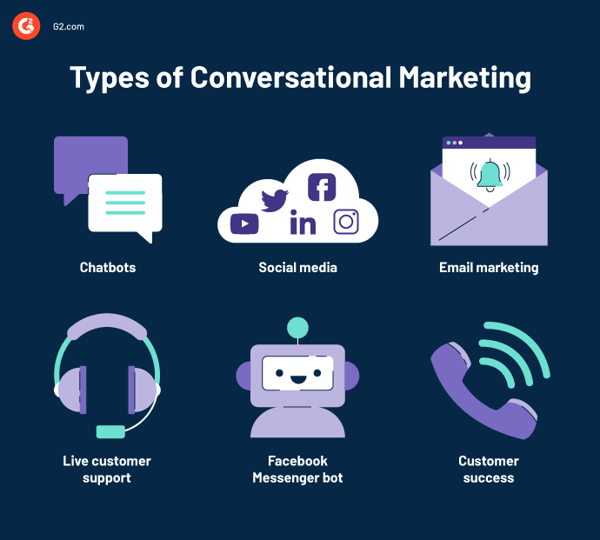
Social Media Marketing was created for the purpose of broadcasting to an audience vs. building real dialogue.
In 2026 Social Media Marketing will have shifted entirely from being a one-way communication to two-way.
Because of the increasing demand from users to interact with brands and for brands to respond to and adapt their messaging accordingly to user feedback, Social Media Marketers will shift the types of messages they create for audiences and how they will communicate with them as a way to create real connection with audiences.
Marketers who won’t engage with their audience through comment replies and personal messaging will be at risk of losing visibility and trust among their audiences.
Engagement Over Reach in Social Media Marketing
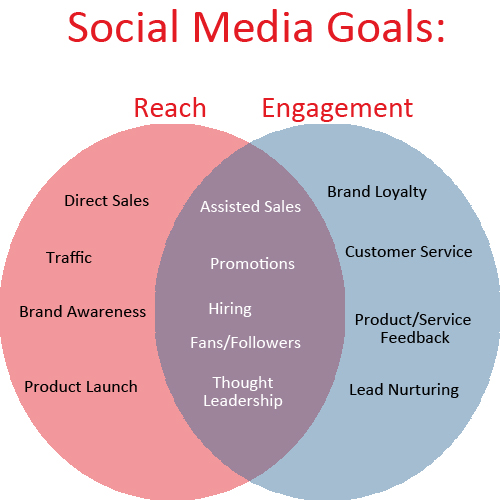
Social Media Companies like Meta and TikTok are beginning to reward content that elicits more interaction between users on their sites rather than just likes.
As engagement trends continue to develop into a more personal feel, short-form video will become a significant tool for Social Media Marketing’s continued growth into the next anticipated trend.
Short-form video will continue to dominate social media marketing based on the need to meet customers’ needs within today’s modern attention span and provide maximum value without requiring lengthy, in-depth explanations.
As such, the trend will be toward using short-form video to present quick tips, demonstrate product features or tell a story in seconds.
Video-First Experience by Platforms

It has become far easier for brands to create and distribute video-first experiences using platforms such as Instagram and YouTube‘s Reels and Shorts.
Compared to traditional methods of posting via static posts, Reels and Shorts generate far greater reach for brand-awareness posts than those mentioned above.
Humanising Video Content

In 2026, while it’s still possible to make high-quality video advertisements that are professionally produced, they will receive slightly lower performance compared to relatable, unedited video clips.
The trend of creating relatable video clips using behind-the-scenes content, fast tutorial videos and videos about trending topics that are growing due to the increase in the availability and ease of working with video content creators and marketers using artificial intelligence to create content will continue to expand.
How AI Content Will Influence Social Media Marketing In 2026
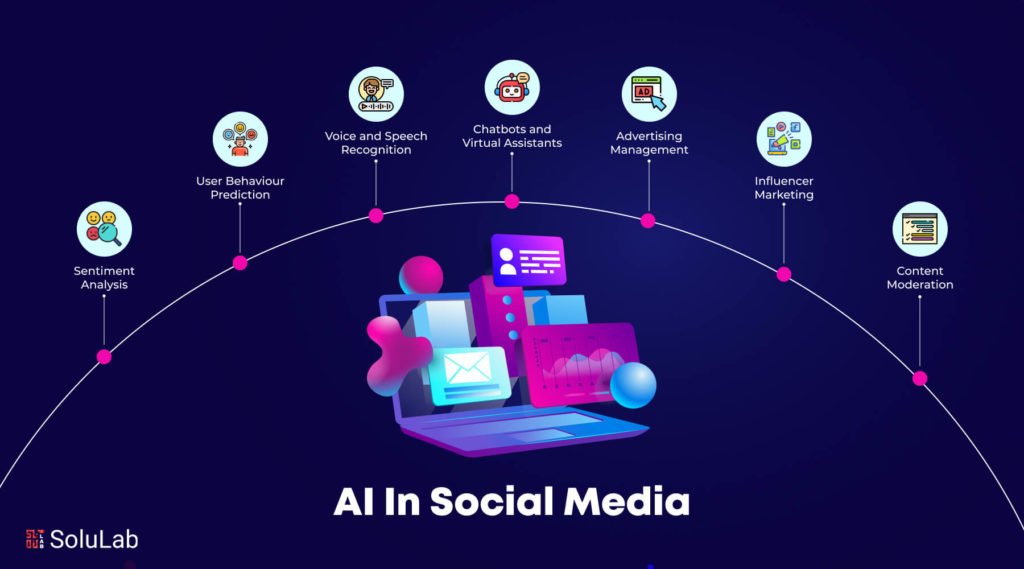
AI is an Everyday Marketing Assistant
In 2026, Artificial Intelligence-generated content will be essential to marketing processes on all social media platforms.
It will also enable marketers to produce captions, create video scripts and generate images and ideas for content significantly quicker than in previous years.
The use of intelligent automation will decrease the amount of time a company spends on manual tasks and will also allow for better consistency across many different platforms.
AI will help companies test their product and edit the content more quickly.
The consumer expects authentic engagement from any brand when they see something created by an automated tool.
Many brands are currently using automation products like Adobe or Canva, which allow for the combination of speed from artificial intelligence with the judgement of an actual person for success in this area.
Companies build trust with their consumers when they maintain a human voice through the use of human checks on their products to ensure their brand remains authentic to potential customers.
The ability of AI to quickly analyse previous performance, predict future trends, and provide recommendations on optimal posting times based on audience preferences and the reasons specific types of content resonate with them means that marketers will no longer have to guess how to engage their target audience.
Rather than continuing to guess, marketers will use insight gained from the use of AI tools to enhance relationships with consumers, turning interactions into sales opportunities.
By 2026, the future of engagement metrics such as likes, comments, shares, and direct messages will replace the traditional reach metric for the measurement of success in social media marketing.
Integrated Shopping Capabilities on Social Media Platforms

In 2026, social media marketing will feature integrated shopping capabilities on existing platforms.
People want to buy without leaving social media apps.
Brands will see consumers use their app to discover, research, and purchase products through one transaction, reducing their expense of acquiring new customers while increasing brand loyalty.
Social commerce growth is driven by UGC + Live Shopping
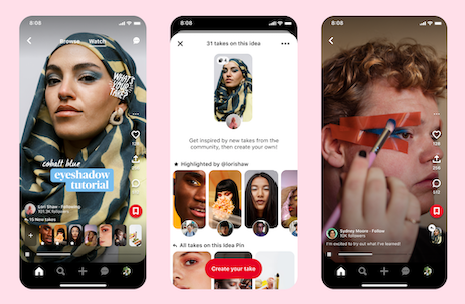
User-generated content (UGC) is becoming increasingly popular as a means of promoting products, thanks to the growing use of short video clips (and live video) by brands to provide supporting information for their products and to answer consumer inquiries.
Both TikTok and Instagram have added shopping options to their platform, giving users a greater level of trust compared to traditional forms of advertising.
The foundation of social commerce is built on Trust + Ease of Use

Trust is what drives social commerce; social commerce provides users with an easy way to buy products.
It is convenient for users to buy their products through the social media channel where they are most comfortable (and easily discoverable) within a familiar environment.
The ability of retailers to deliver a seamless purchasing experience, with well-articulated prices, validated customer feedback, and a hassle-free checkout experience, is paramount for retailers if they want to grow revenue in an increasingly digital marketplace.
The increasing overlap of traditional commerce and content marketing means that both industries will continue their reliance upon partnerships with content creators to create authentic sales conversations.
Creator Partnerships are an Emerging Growth Engine for Social Media Marketing
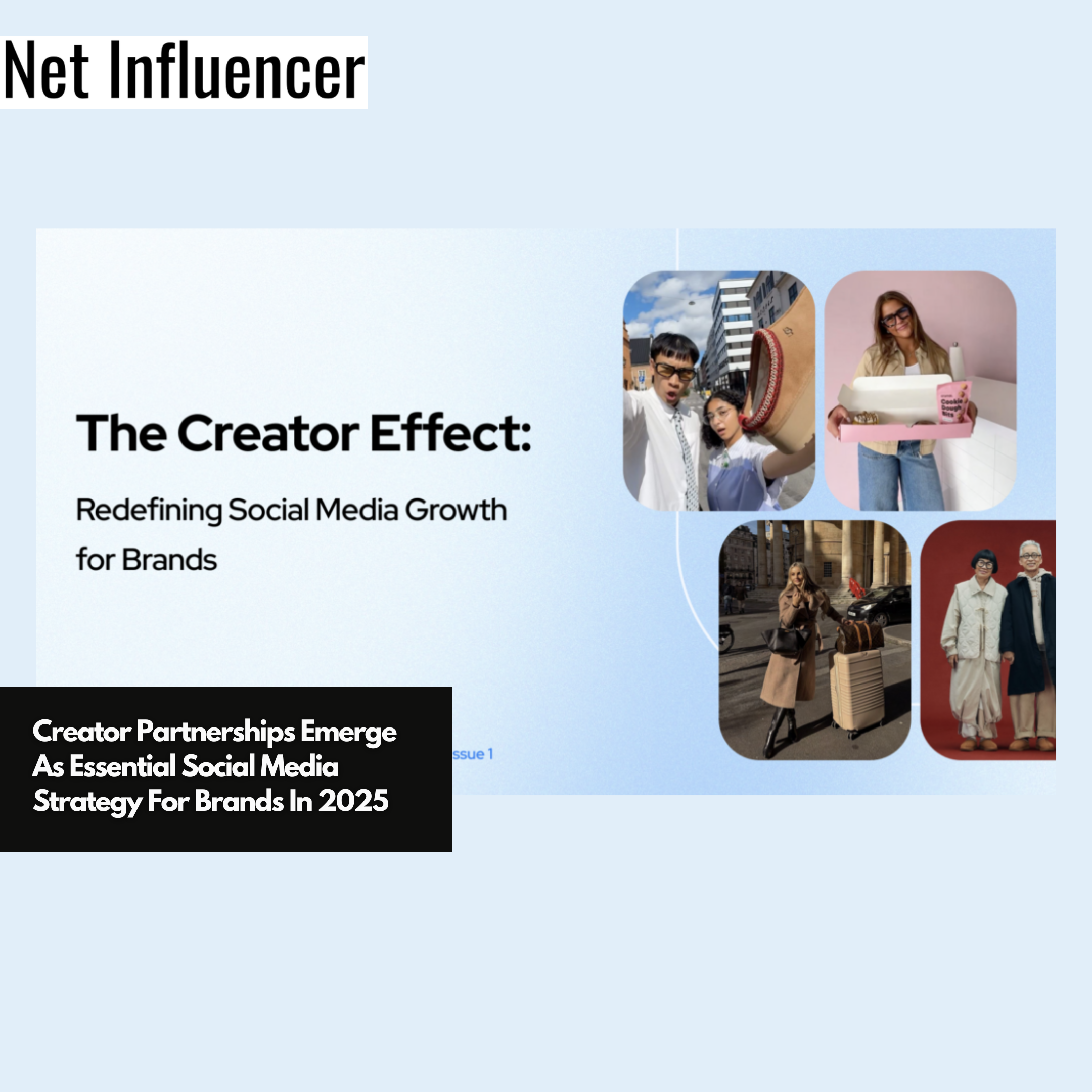
Creators Have Evolved Into Strategic Partners
Creators are now not viewed as short-term promoters.
Emerging Trend of Micro-Creators
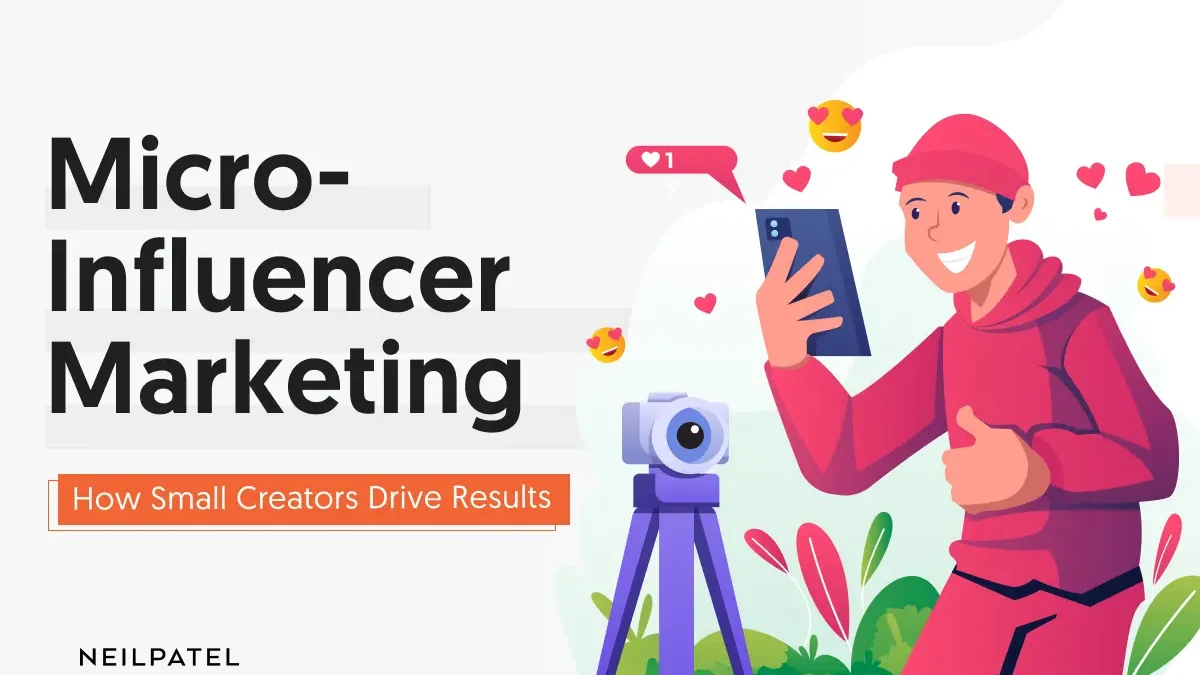
Instead of using celebrity influencers in their campaigns, brands are focused on the use of micro-creators who have established a regular and loyal audience within a vertical niche.
Micro-creators generally have a higher engagement rate, and this is often available at a lower overall cost.
Brands that partner with micro-creators will ultimately achieve success if they focus on three fundamental factors:
-
Long-term partnerships, rather than one-time posts;
-
Co-created content that aligns with the creator’s style;
-
Clearly-disclosed partnership agreements that increase trust within the creator’s audience.
These are the foundations of creating an authentic and ongoing presence within social media platforms.
Supporting Creators to Generate Revenue through Existing Platforms
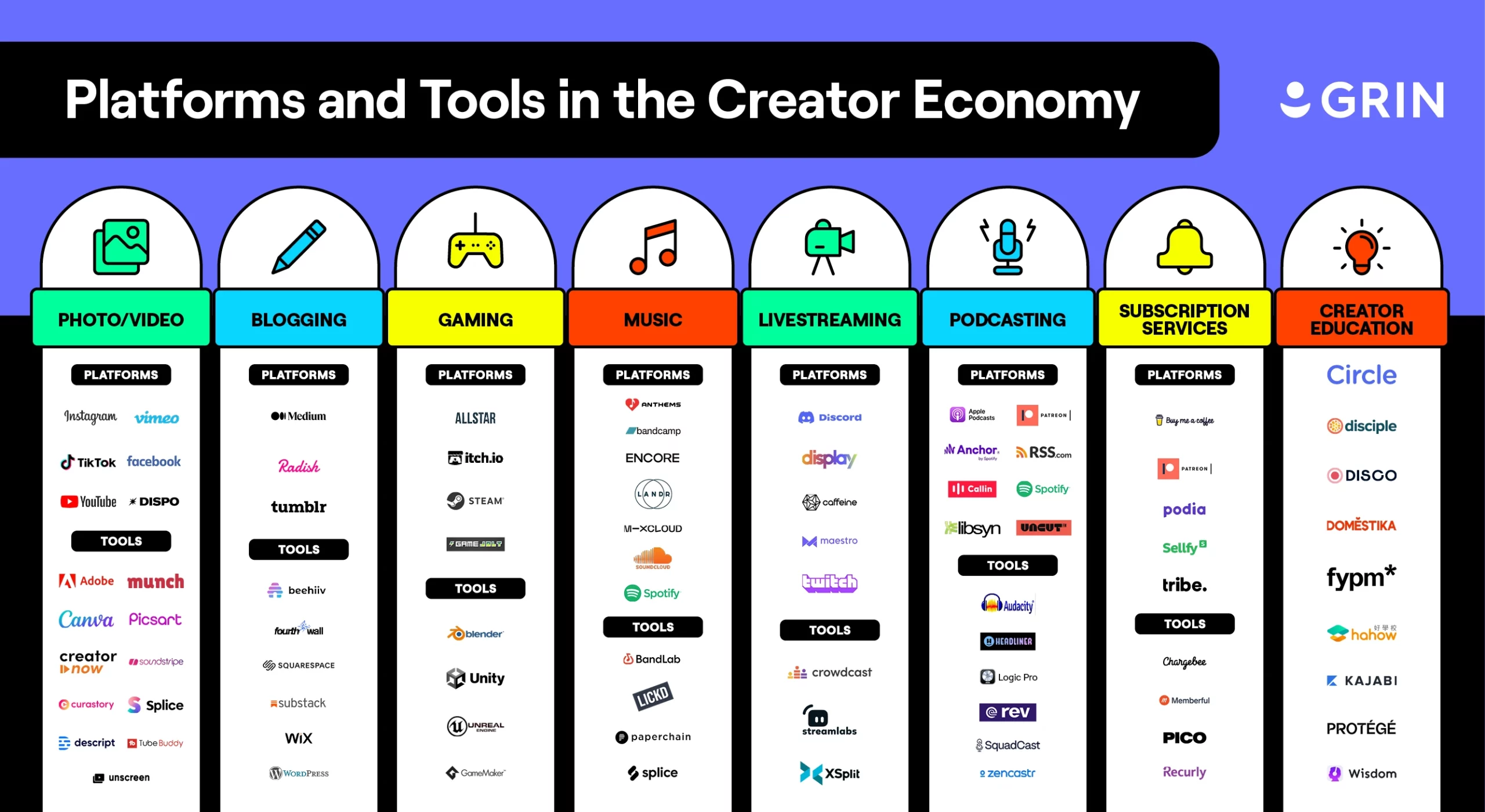
YouTube and TikTok are providing their creators with innovative monetization options (Subscription, Affiliate and revenue share).
The evolution of the creator marketplace requires Brands to further develop their Social Media Marketing Strategies in order to support Shared Value Growth across all Partners in the Ecosystem.
Personalization as the Key to Success in Social Media Marketing
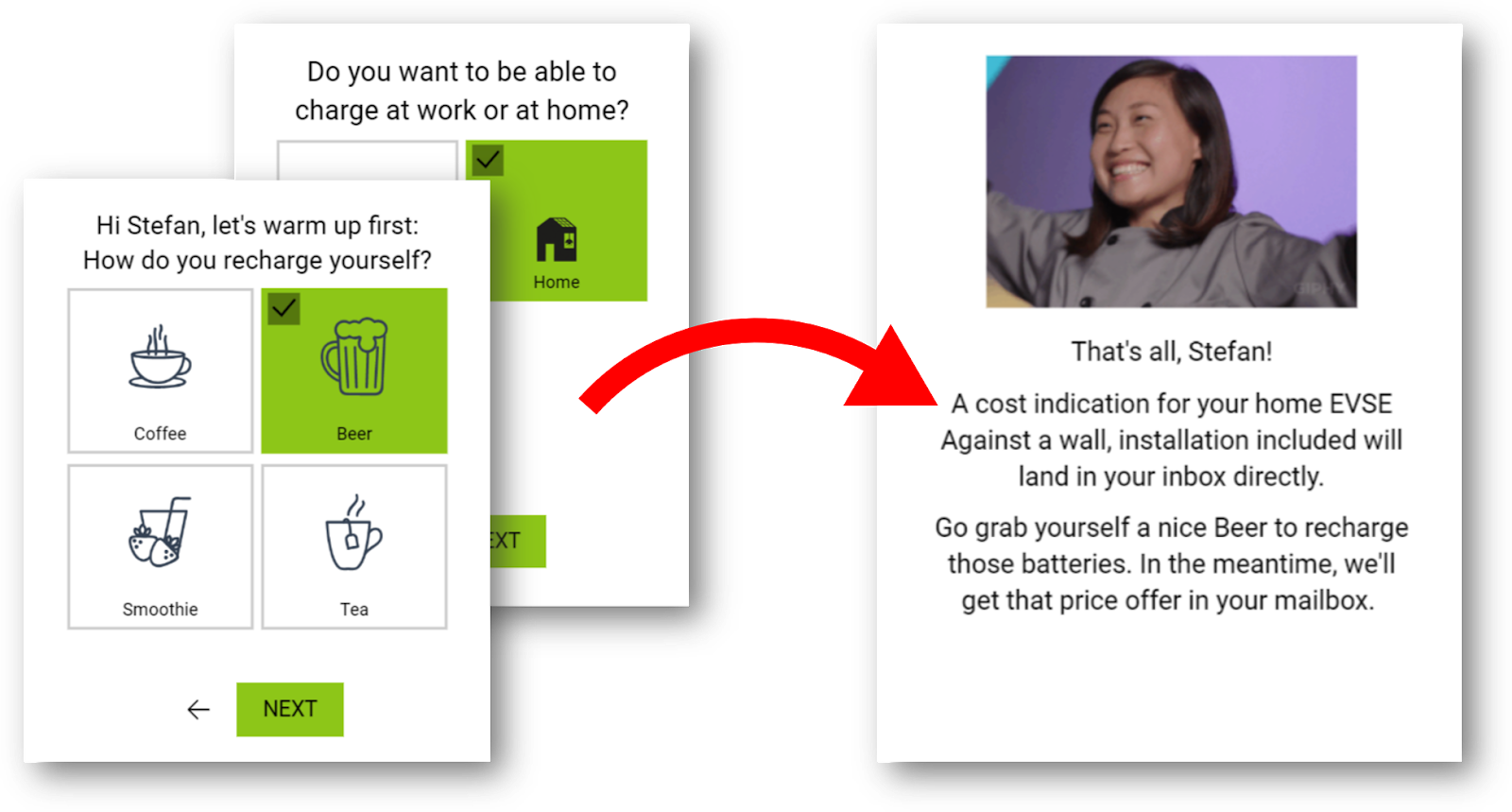
The future of Social Media Marketing is largely dependent upon delivering Personalized Content to Captivate The Audience and in 2026 will be determined by how well brands are able to Create Value for the Consumer, thus influencing the Consumer’s Decision to engage with the brand.
Today, a User is inundated with Thousands of pieces of Content each day and is unlikely to engage with Generic Content as it will simply be drowned out by the Competition.
Consumers are now expecting companies/brands to be aware of their impending needs, their Actions and Interests when engaging with them.
Users are much more likely to engage with Content that is Relevant to them as a result of a Brand’s Personalization efforts.
Leveraging Data, AI Tools & Technology for Smarter Personalization
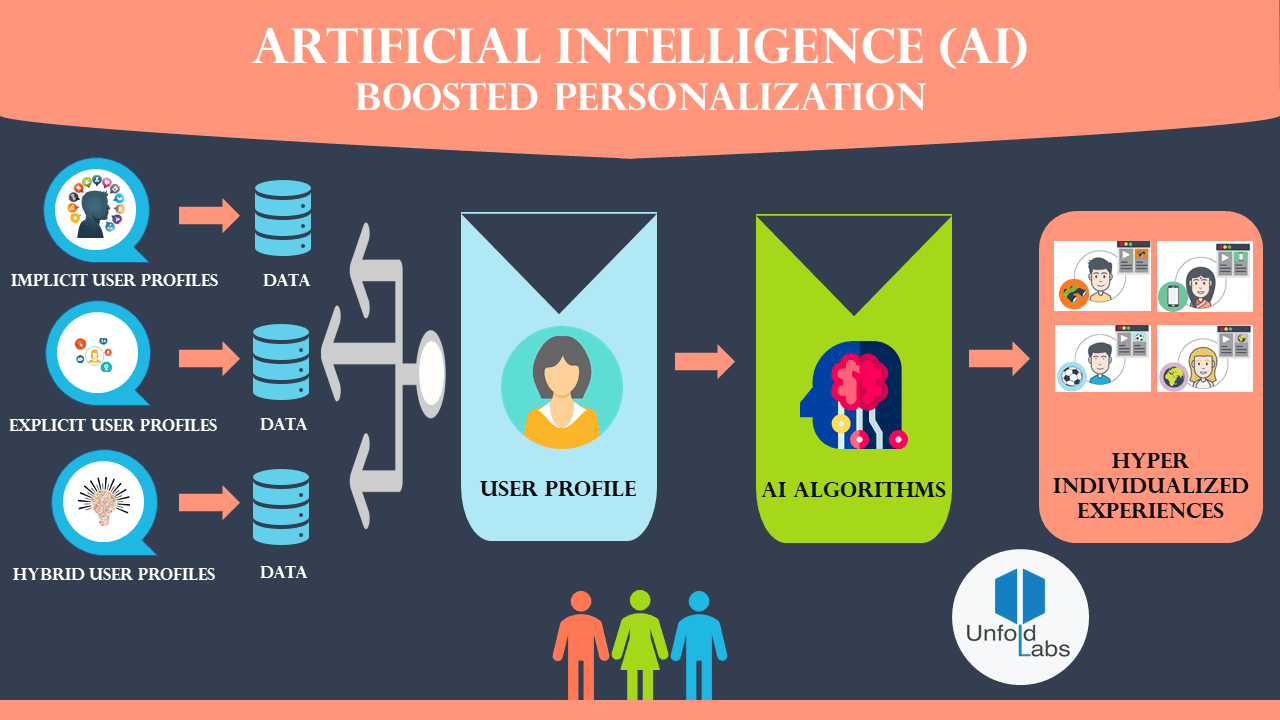
Brands are using the Analytics provided by the Platforms, combined with Artificial Intelligence tools and User Behavioural Data to Create Tailored Messaging.
An example of this is that in creating complementary or relevant content that targets your target market/audience demographic and what they’re involved in, Meta allows brands to send the most relevant advertisement/message to the “right” person, at the “right” time and do so without being perceived as too aggressive or invading their privacy.
Privacy, Transparency & Building Trust Through Social Media Marketing

The Success of Companies Is Dependent Upon Consumer Privacy
As privacy gains more momentum among consumers, Social Media Marketing professionals are becoming increasingly aware of how consumer privacy will play a critical role in driving consumer engagement on social media platforms through the year 2026.
Social Media Marketing Companies understand that consumer awareness of their data rights, as well as who is collecting their data and for what purpose it is being used, will continue to increase at an exponential rate.
Increased consumer knowledge regarding their data rights has resulted in the establishment of Trust as being a very critical aspect of the consumer’s decision to engage with a brand.
As consumers continue to be educated with regard to their privacy rights, brands that do not meet their expectations regarding consumer privacy will most likely lose credibility with consumers.
Platforms Are Changing the Way Social Media Marketers Develop and Execute Their Marketing Strategies
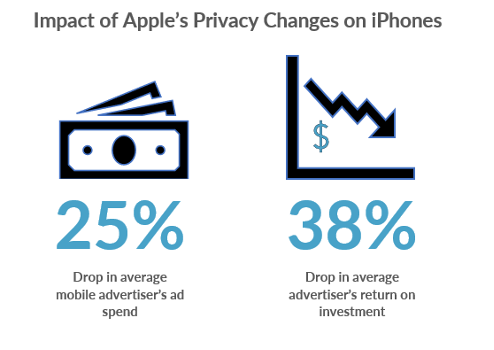
With the continued implementation of privacy policies, platforms such as Apple and Meta are instituting policies that place greater restrictions on the volume of consumer data B2C marketers can collect.
As a result of these new policies, Social Media Marketers are changing the manner in which they construct their target marketing strategies and executing them based more heavily on first-party data and content quality than on aggressive tracking methods.
Building Trust Through Transparency Between Brands and Their Consumers

One of the most effective ways to build trust with consumers is by providing transparency surrounding the manner in which their data is being utilised by brands.
Brands that provide concise privacy statements, answer any questions consumers may have regarding how their data is being used, and deliver their personalised experiences with respect and caring toward the customer can establish a level of trust which goes beyond what traditional advertising can create.
Social media marketing has to diversify across multiple platforms
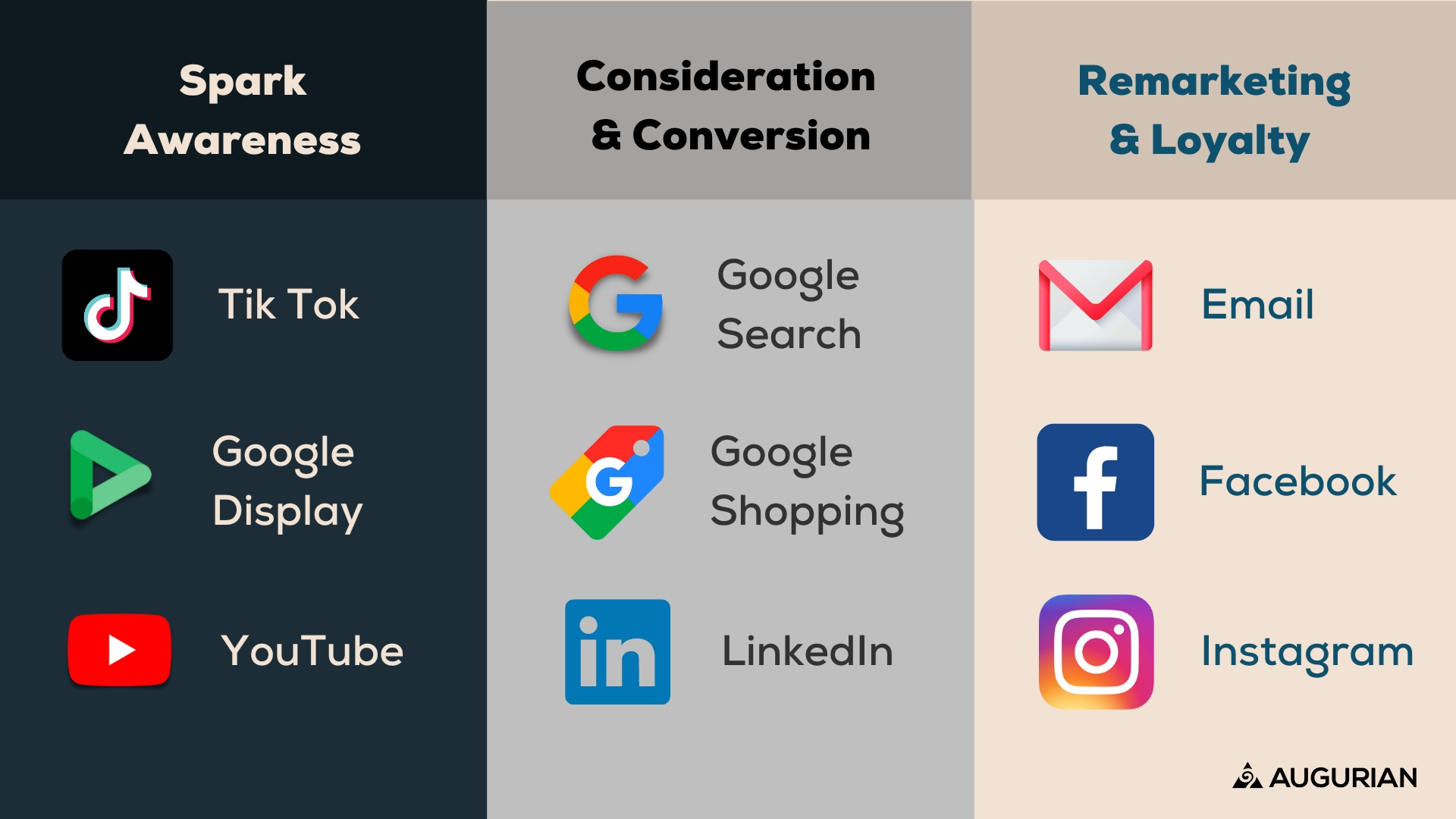
Marketing organisations must change their marketing strategies based on the audience members using the various social media networks.
Each social media platform allows for specific types of content and has specific audiences with specific expectations of what they want as a user experience.
An example of this is that TikTok is all about fast-paced, trendy videos while LinkedIn focuses on formally narrated educational and industry-specific content.
In order for brands to be successful on more than one platform, they must adapt their tone, format and messaging to each of the platforms being used for marketing, rather than using the same content for each of the platforms over and over again.
Using multiple social media platforms for a brand gives the brand a greater chance of being seen by a larger number of people and also reduces the brand’s reliance on one single social media platform’s algorithm.
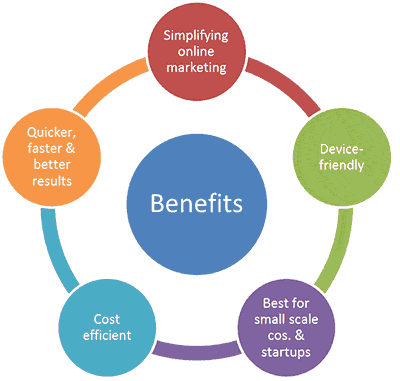
A Multi- Platform Marketing Strategy for a Brand Creates Opportunity for Social Media Marketers to:
-
Reach New Audiences Across Social Media Platforms
-
Test New Formats More Effectively Across Multiple Platforms
-
Extend a Brand’s Lifespan by Creating Stability through the Identification of Additional Distribution Channels
Social Media Marketers Must Continue to Assess the Overall Performance and Success of a Brand by Monitoring Its Multi-Platform Performance as They Develop Their Multi-Channel Marketing Strategies.
The Perspective of Intelligent Analytics on Social Marketing Strategy
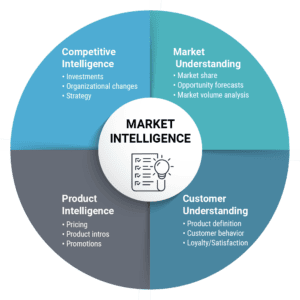
The Perspective of Intelligent Analytics on Social Marketing Strategy: The End of Vanity Metrics and Beginning of Real Metrics
Analyzing analytics allows businesses to apply insight from data using an example called Analytics; thereby improving the overall business process.
The New and Emerging Platforms Will Enable Many New Opportunities for Businesses to Create Social Marketing Opportunities
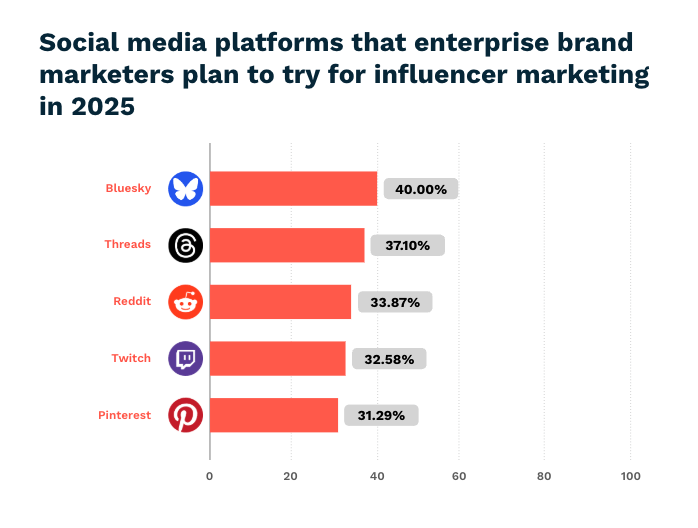
The emergence of new and developing platforms will create new types of opportunities for businesses to create new types of social marketing opportunities.
Businesses that adopt these new and developing platforms early will gain higher levels of organic reach in comparison to their competition once the platform starts to gain traction and become “crowded” with competing brands utilizing and engaging on that platform.
The early adoption of a platform allows the business to develop new and creative formats and communicate with their audiences on that platform more effectively than competing brands that have not yet adopted that platform.
Businesses Must Understand and Engage with the Different Types of Users on Each Emerging Platform

Emerging and developing platforms will cater to specific types of users and specific types of behaviours; therefore, businesses need to conduct thorough research to fully understand how their target users will interact and engage with the emerging and developing platforms and what behaviours the target user will exhibit prior to investing a significant amount of financial resources on that platform.
As brands conduct research for emerging platforms, they must pay attention to the trends and styles that are emerging.
Companies that take time to engage with an audience will use innovative ideas rather than imposing older strategies onto a new platform; this will allow companies to transition between multiple platforms at the same time.
Innovative Idea Development & Established Platforms
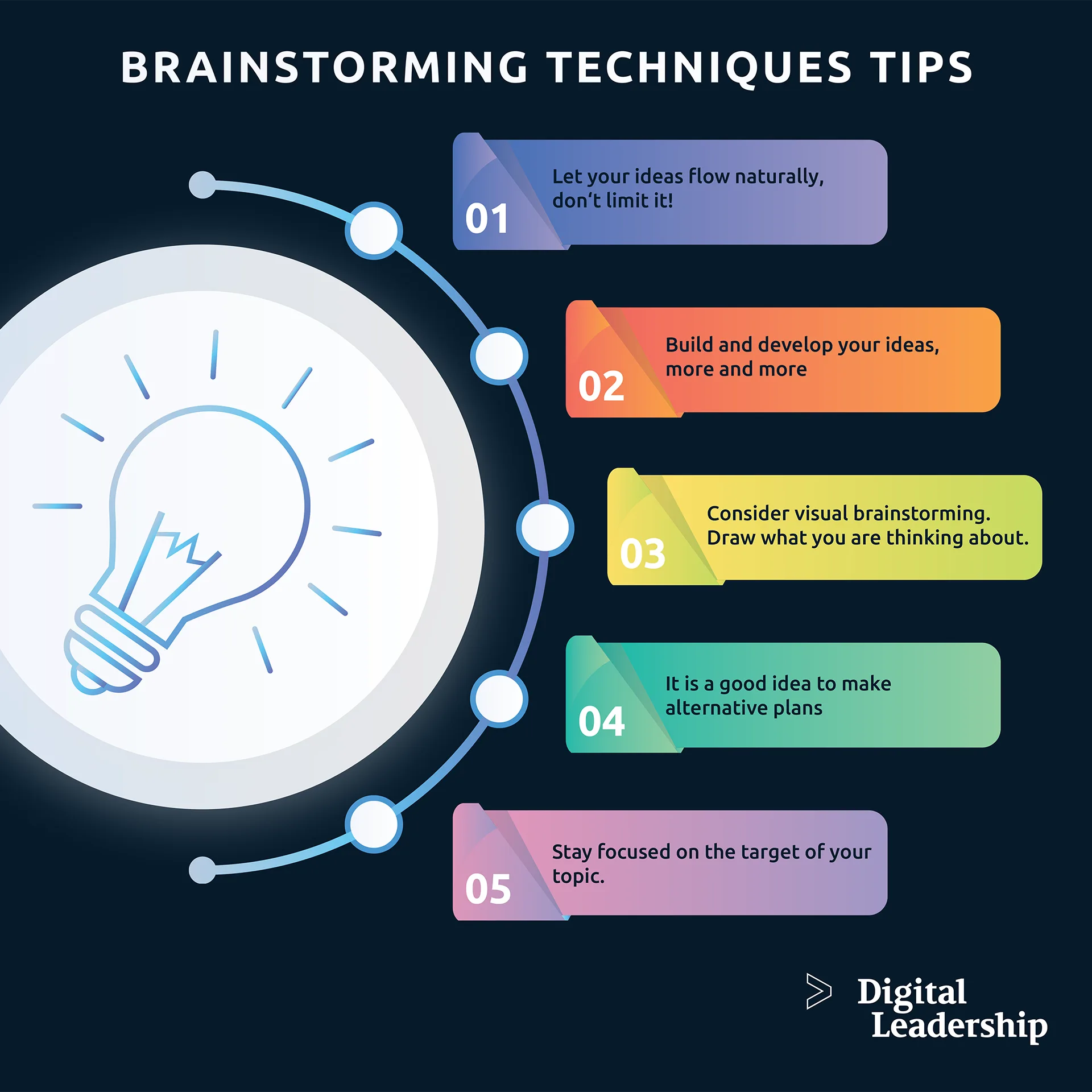
Creating an innovative idea consists of many considerations.
Do not incorporate any innovation until you have created a prototype to understand how the intended audience will use the idea and whether the product can be utilized in the business environment.
Establishing a platform as a measure of innovation helps you determine exactly what you will be receiving for your investment.
You will have access to the established platform, allowing you to test ideas with a smaller monetary investment; therefore, your existing core competencies are not being compromised and you will have ample preparation time before the emergence of new content and technologies associated with the increased usage of the platform.
Automation of Daily Operations Through Social Media Marketing Can Increase Efficiency
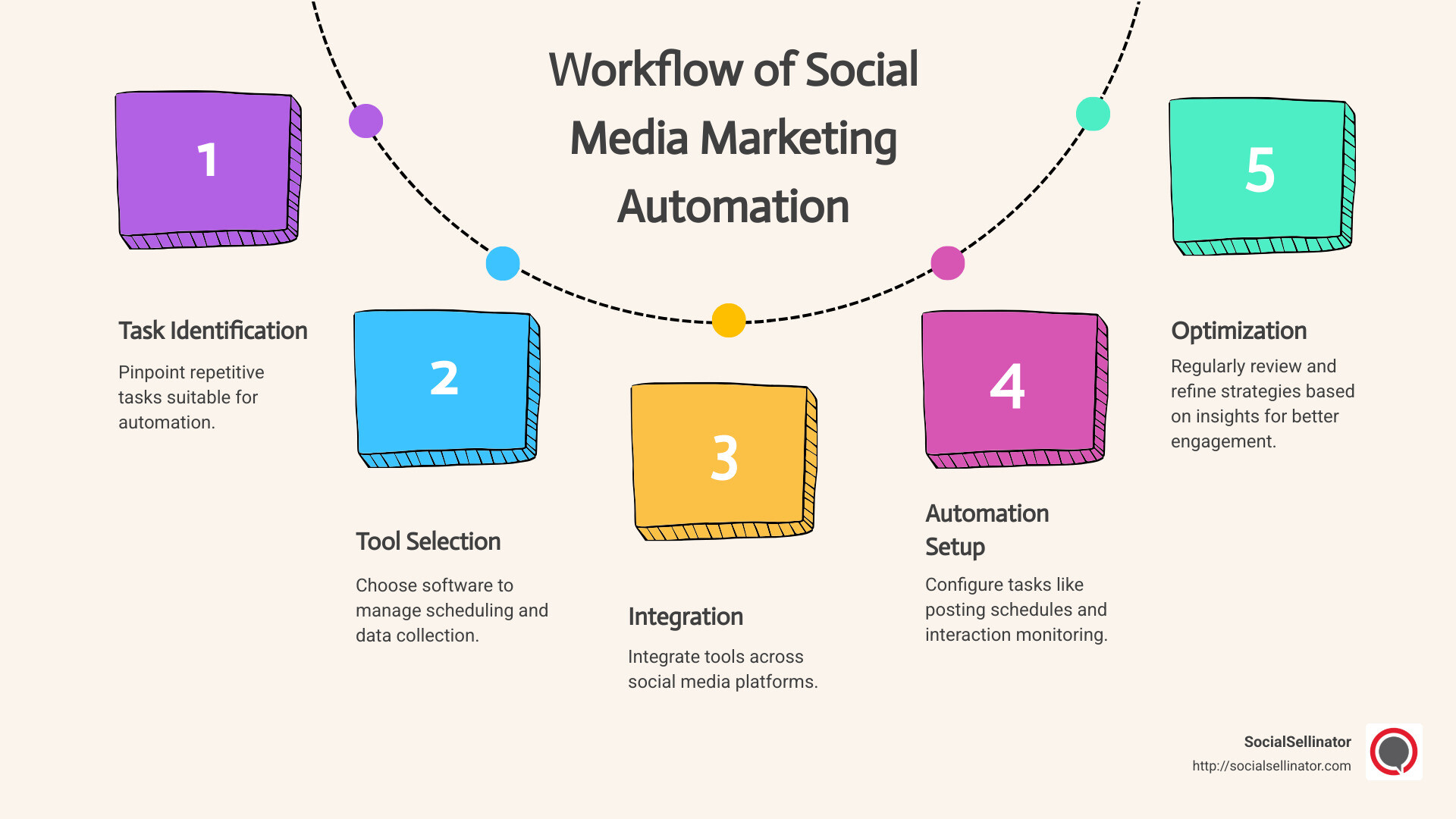
Automatic management of social media marketing processes for Branding Companies in 2026 will be essential for sustaining over-producing content for the current and future marketplace due to the growing demand for content. It is not only impractical, but it is also very risky for Branding Companies to manage the vast number of Platforms on which they are now marketing manually; if there are mistakes, there is a high likelihood of damaging the Brand’s reputation.
The main advantage of utilizing Automated Scheduling Tools, is that they create Consistency Across Platforms, which leads to Fewer Human Errors Resulting in Inconsistencies / Embarrassments and thus enables Branding Company Leadership Teams to spend Less Time Performing Repetitive Tasks of Scheduling Marketing Opportunities, and More Time Focusing on the Development of Marketing Strategy.
Automation Simplifying Daily Workflow
 Hootsuite-Social-Media-Scheduling-Tool.jpg” alt=”https://internal-blog.contentstudio.io/wp-content/uploads/2022/12/Hootsuite-Social-Media-Scheduling-Tool.jpg” />
Brands can use common Automated Scheduling Platforms like Hootsuite and Sprout Social to Schedule, Monitor and Report on all their Marketing Activities from One Place. In addition, they Provides Automated Communication Features; Brands can Manage and Respond to Messages and Alerts; this means that Branding Companies no longer need to have Someone Working At Work All Day.
Although Automating Scheduling should not Replace Human Decision-Making but rather be an Assistant.
Consistency in Brand Storytelling

Consistency in your Business’ Story Increases Recognition by Your Customers.
These success factors will greatly reduce the uncertainties that can occur as brands transition from purpose-driven branding strategies to becoming future-ready and developing Brand Strategy that will allow them to adapt.
The Importance of Agility in Social Media Marketing Over the Next 5 Years
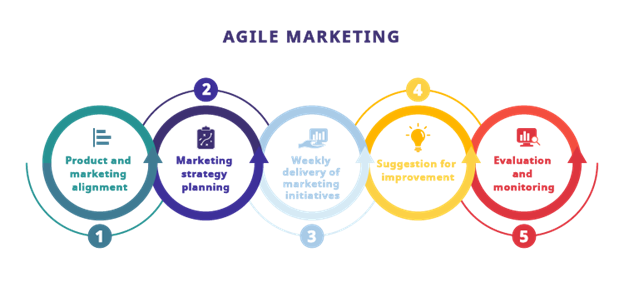
Agility will be an essential part of success for brands within Social Media Marketing over the next five years (up until 2026).
Change will be occurring at an accelerated pace over the next five years, and the only thing that will remain constant in Social Media Marketing will be the continuous need for brands to adjust their methods of communication, as well as what and how much to share, based on the results of how individuals respond to a brand’s social media performance and to the feedback received from its audience.
Real-Time Learning and Testing
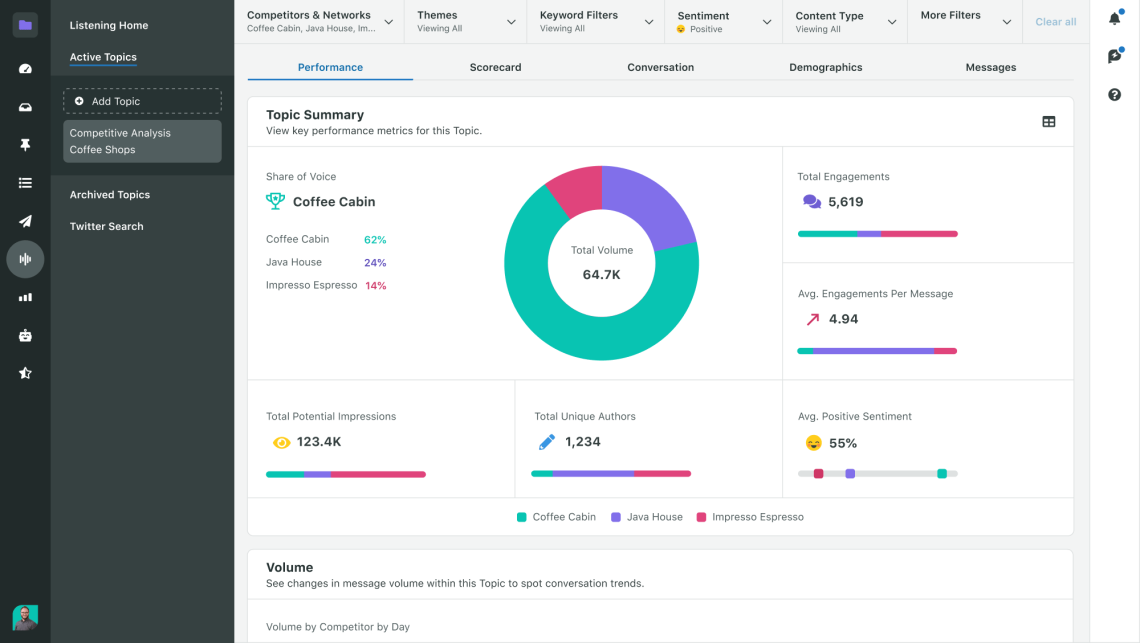
Social Media Teams are learning to test and learn from their ideas and concepts on an ongoing basis, rather than waiting until the campaign is complete to see what worked and what didn’t.
They are doing this by employing rapid testing and small-scale concept experimentation to identify the peak interests of the audience before scaling to a larger audience.
The real-time feedback that is provided to a brand’s Social Media Team also allows them to make quicker decisions to avoid costly mistakes from a loss of audience interest over time, and from wasting dollars on the campaign efforts of a failed program.
Flexibility with the Capability to Remain Loyal to Brand Values

While it’s critical to have the capability of being adaptable in Social Media Marketing, that does not mean that a brand should be inconsistent with its core values or its brand voice.
Brands will need to remain true to themselves, but will need to modify how they execute their brand concepts in order to be compliant with changes that are occurring with their audiences and on the various social media platforms.
The social media teams within brands setting their goals and expectations based on the values of the brand are successfully creating the fast/efficient barbells that enable brands to remain at the forefront of digital media.
With the advent of agility and quick speed being essential to the future of brands, it will be necessary for businesses to invest resources in creating skill sets among the members of their social media teams to support future growth and direction within their individual social media platforms.
The Importance of Skills Overshadows Technology
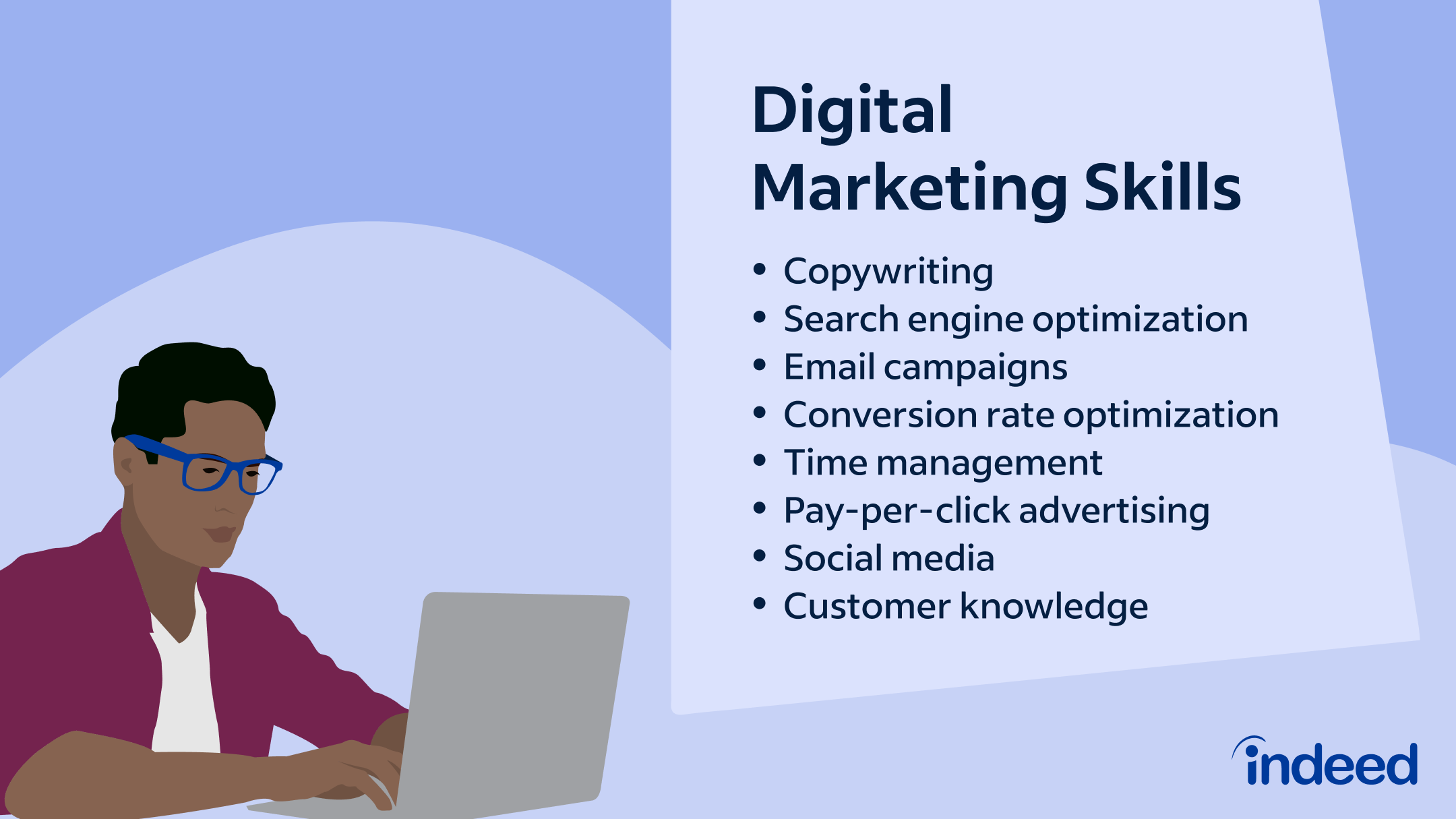
2015 will see the success of social media marketing less dependent on the tools of the trade, and more on the skill sets of the individuals in the Marketing Department.
While much change is happening technologically, the philosophy of the human touch to storytelling and psychology will continue to be essential for effective social media marketing strategies.
Brands who are developing the skill sets of their marketers to adapt, analyze and communicate across various social media platforms will be the ones who are the most successful.
The Importance of Multi-Disciplinary Skills Will Increase
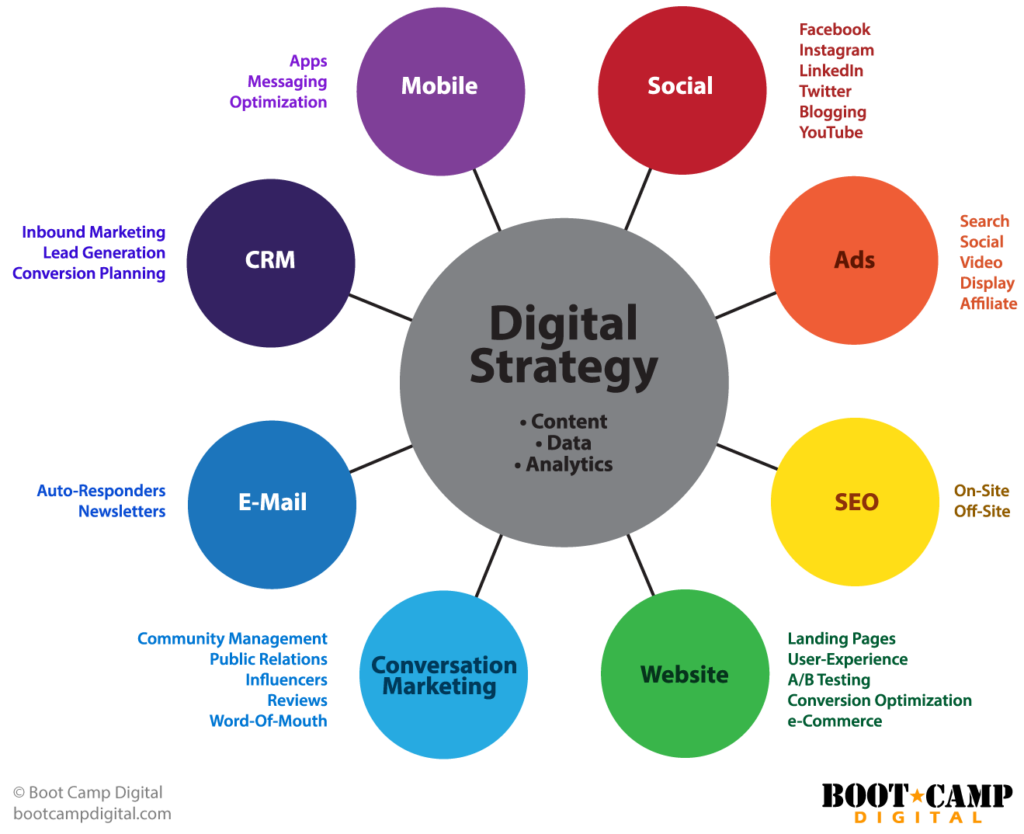
Marketing professionals will continue to require a range of multi-disciplined skill sets as the market continues to shift and evolve with new developments in the digital landscape.
To be successful, marketers need to possess skills as both a content creator and a data analyst and will further be required to perform the responsibilities of a community manager.