 by
by The intro serves as an overview of where the content-marketing industry will continue to evolve and look, and it focuses on how audiences behave differently today compared to the past and how businesses no longer have confidence in methods to attract attention & build a community of customers.
As new forms of technology become more prevalent, many smaller businesses reassess their methods of operating in the industry and use technology to generate more business.
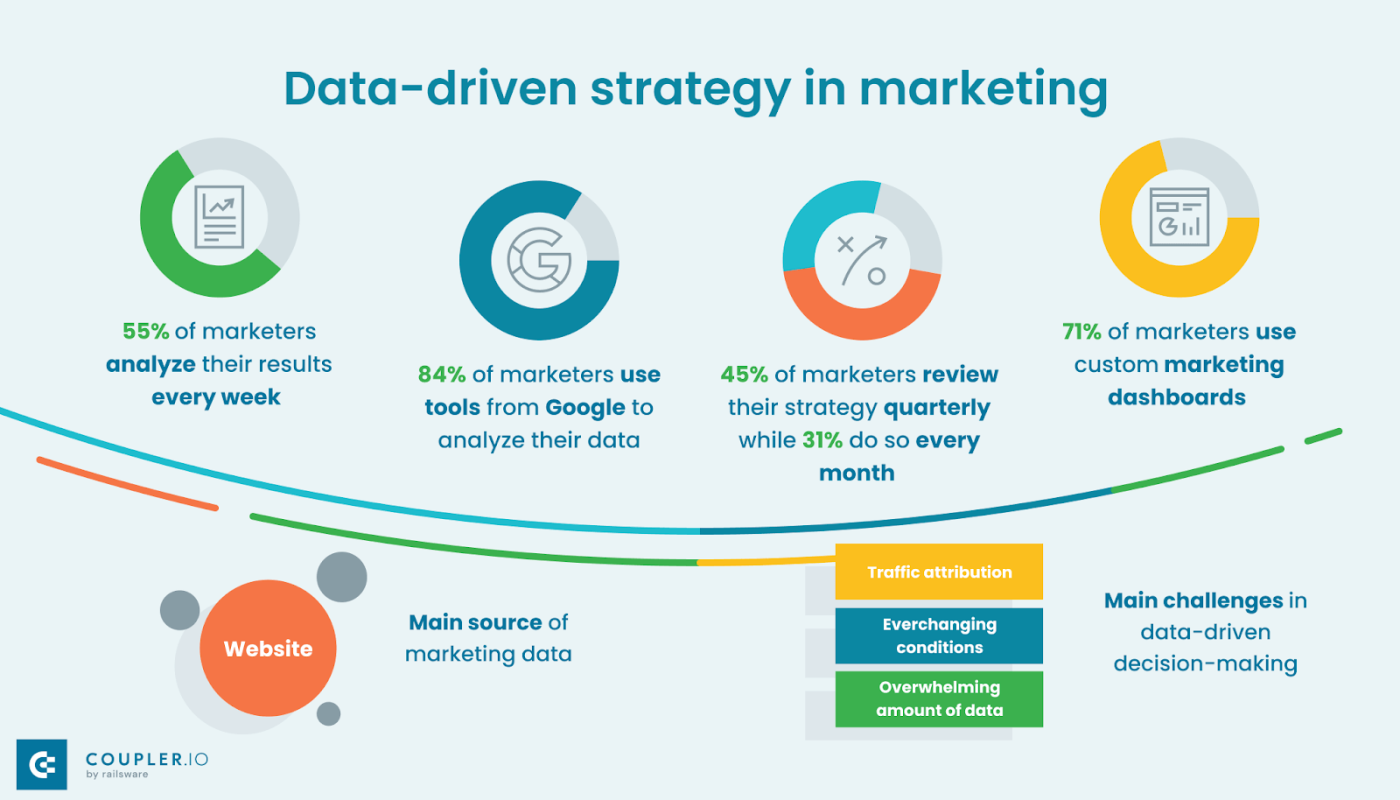
Modern content marketers are now relying on information & analysis through technology to assist them in all aspects of their business, such as what type of content to create & how to effectively distribute it.
Accountability and Data-Driven Content Marketing
The following outlines the current push towards accountability throughout the content-marketing industry and outlines how each of the articles identified below highlights current/future strategies that brands & businesses use within the content-marketing industry.
As a result, brands have stricter budgetary constraints and heightened expectations from their leadership teams.
Today, modern content marketing is the result of a highly analytical industry using data to identify, assess, & produce content that works solely for generating revenues.
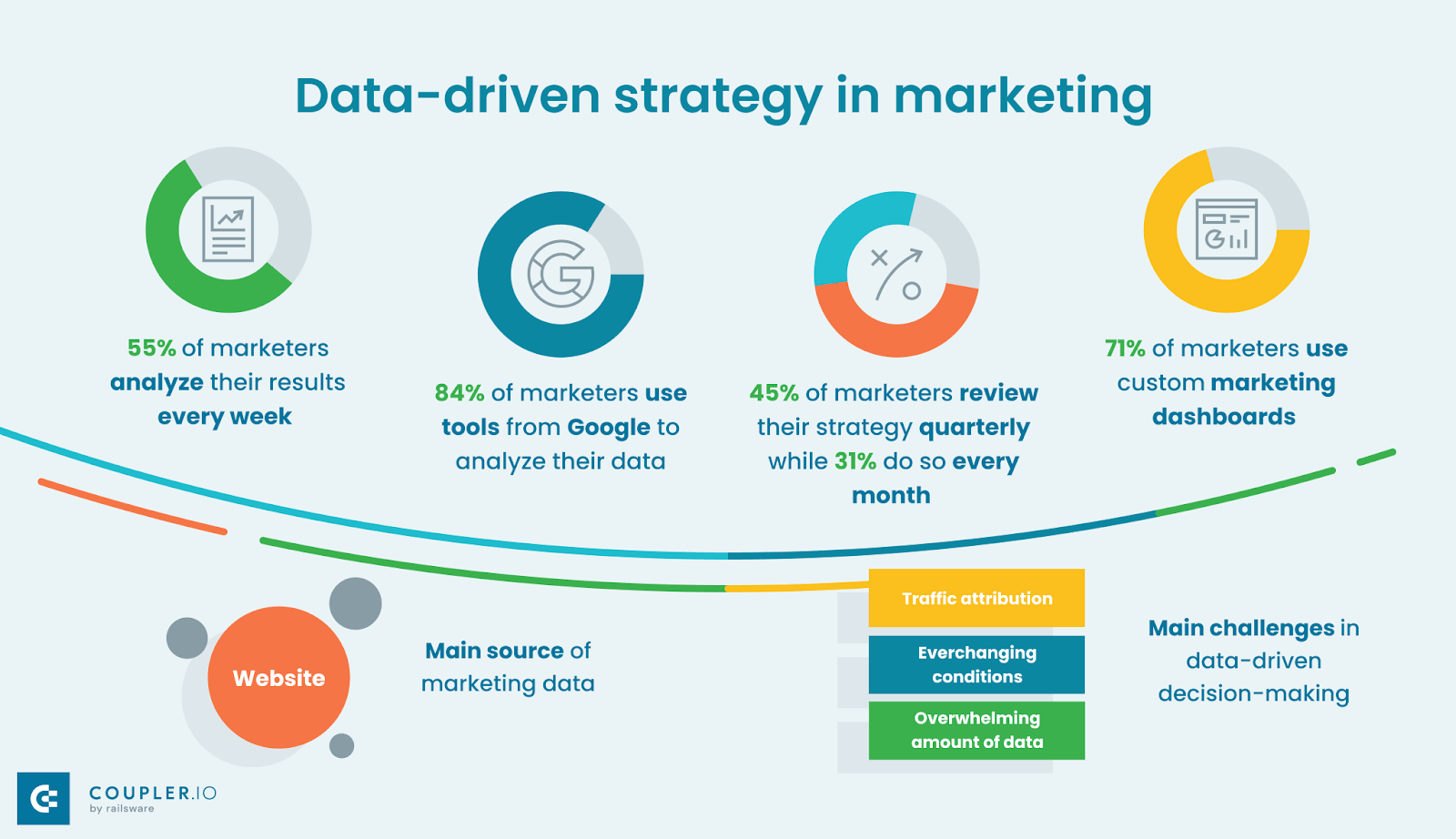
While Google Analytics and HubSpot are just two of many platforms used to measure content performance, they provide content teams with the ability to evaluate success around their efforts based on performance, the level of engagement (like or view) on a page, and what actions were taken after that engagement.
In terms of measuring content success via performance metrics vs. vanity metrics, this paradigm shift is becoming more widely adopted by content marketing teams as a result of the transition from a vanity metric perspective (i.e., number of “likes”) to one focused on the performance indicators.
In doing so, teams have a clearer understanding of what the audience actually wanted and how they responded to the content, therefore allowing teams to reduce the amount of wasted time spent across their campaigns.
Alignment Between Business Goals and Content Strategy
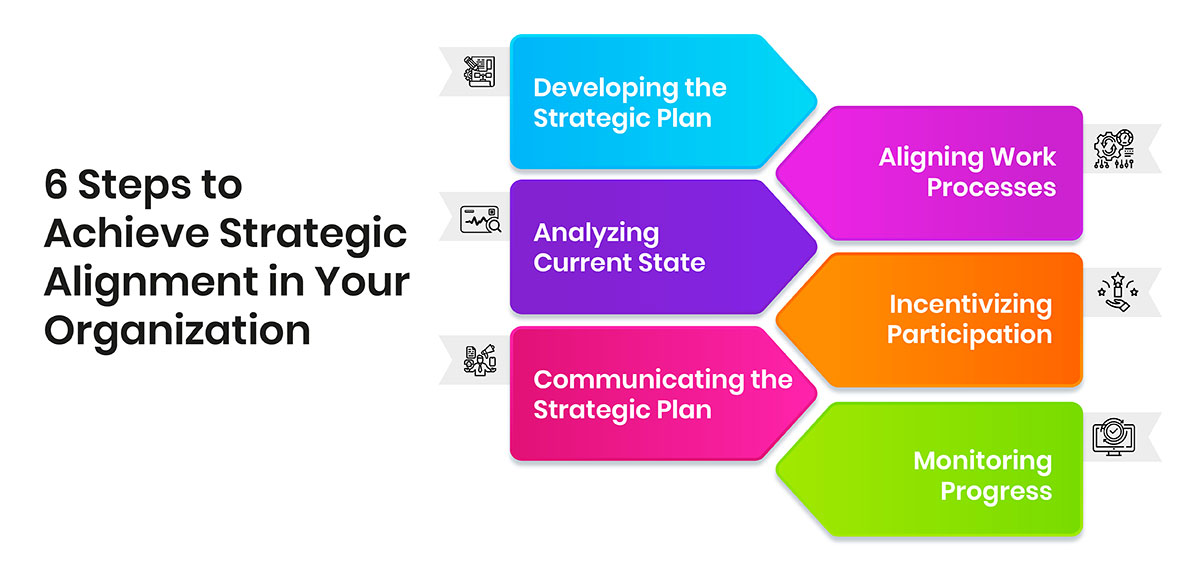
Content teams are working hand-in-hand with the overall sales and growth objectives of their company.
The requirements of the editorial plan align with the stages in the content marketing funnel.
The content calendar is aligned with the timing of the campaign.
The results of performance reviews directly influence the strategic optimization of the content undertaken by the teams.
This structure has been put in place to prepare companies for the ever-increasing technology-driven workflows.
Integrating AI Into Operations for Content Marketing
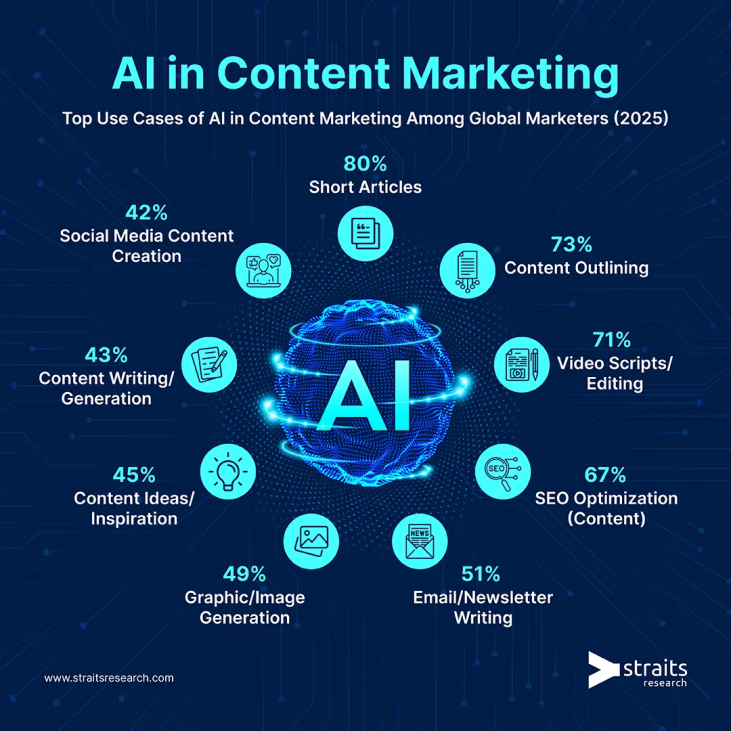
The future will show that AI was part of many companies’ operations for content marketing by 2025 when creating content will be one of the primary responsibilities of the AI running a business.
Using AI tools will let brands scale rapidly and consistently across geographies while maintaining uniformity in creating and distributing content.
Rapid Creation with Lower Staff Costs

There are many tools available to marketers today that allow them to find topics, create content outlines, and draft written content, along with openAI-powered solutions that allow them to identify new developments and respond quickly to customer needs, so they can publish significantly more pieces of content in a very short time compared to what they would have been able to do without these solutions, all without the need for an expanded support staff.
Although they will be able to improve speed and quantity, AI cannot replace the final decision-maker.
Strategy is determined by humans.
Marketers develop their goals and messaging, while AI handles the parts of content production that are repetitive.
This allows marketers to control their brands and ensure their brands’ credibility.
Editors overseeing AI-generated material review the consistency of each piece regarding tone, clarity, and brand voice, as well as verifying that each piece is accurate and free of cultural errors.
This creates an ideal opportunity to evolve to a more in-depth evolution of the content strategy.
Content Strategy Built on Audience Experience
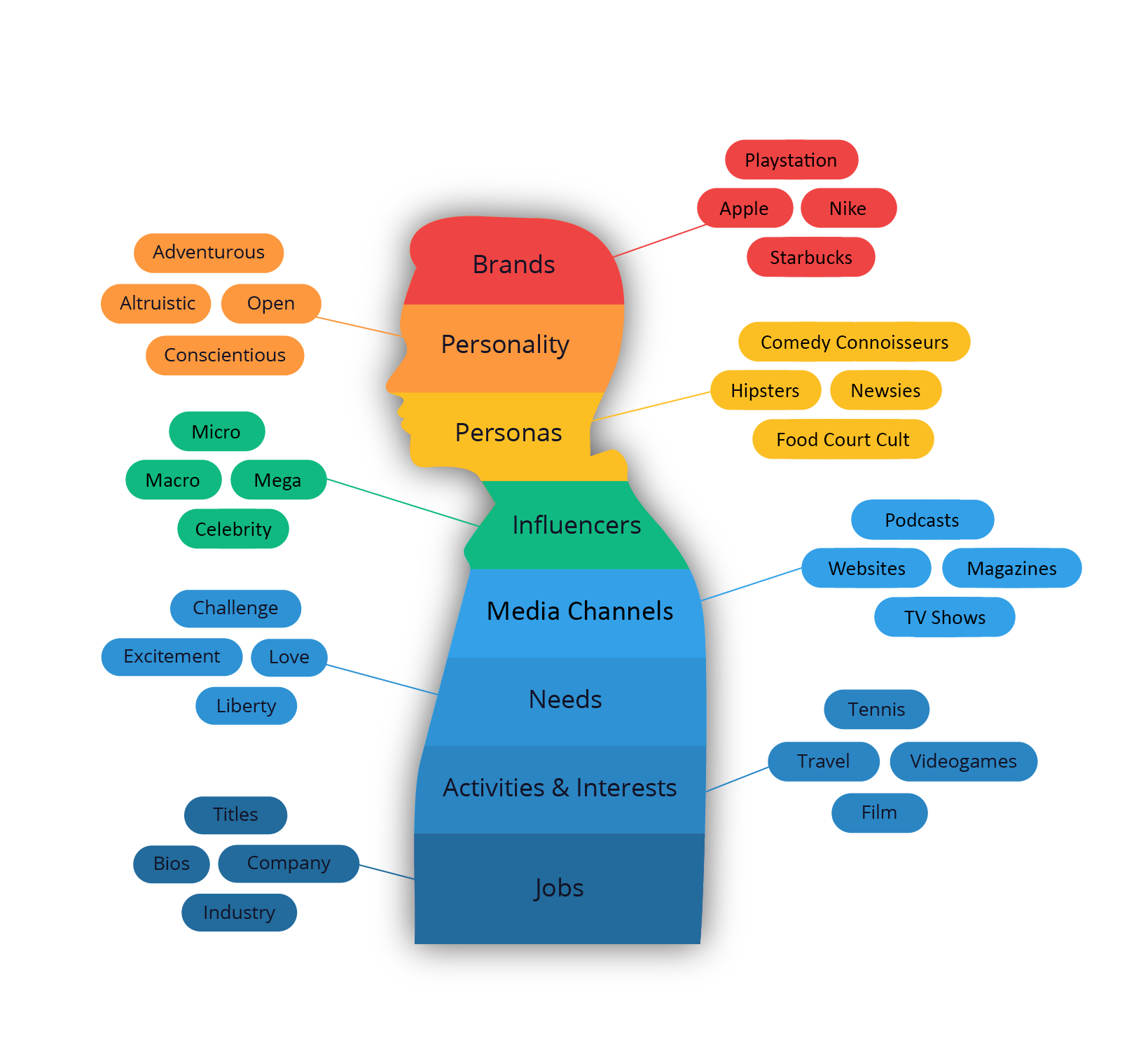
In 2025, the content marketing space will shift from a generic distribution of content to a content strategy driven by the value provided to the end-user.
The goal for brands will be to develop and publish content that is of value to end-users, as well as relevant and easy to consume, based on what their true users are looking for.
By doing this, brands will have the ability to develop trust and interest in their companies from their target audience within an ever-increasingly competitive digital marketplace.
How the Strategy Is Developed

As we see the continued development of the content strategy today, we believe it is becoming the way brands view their customers and the customer experience with their content.
Marketers research the actions and preferences of their customers, as well as the challenges they experience in their customer journey, prior to publishing content.
Using data from tools such as Salesforce, marketers have insights into their customers that allow them to know what kinds of content to produce and how to deliver that content in a manner that meets their customers’ needs at the appropriate time and in the appropriate way.
Personalized Content and Consistent Brand Messaging

Messaging of a brand conveys its value proposition.
Tone of voice remains consistent across every channel.
Customer experience and messaging on all channels work together to create an overall positive user experience with a brand.
By being consistent in the way in which you communicate with your customers, you will enhance the brand loyalty of customers who will, in turn, create an environment for executing performance-oriented strategies.
Short-Form Content and Global Engagement
Brand-created content, and its distribution by brands, is significantly impacted by the platforms used to distribute that content.
In addition to their ability to clarify messages and concepts, visuals are also more easily retained than text and therefore are more effective for communicating and sharing information.
A theme line serves as a definitive means of communicating the message.
Visuals can provide further support to the overall theme.
Maintaining your brand voice is just as important!
Advanced Performance Measurement in Content Marketing
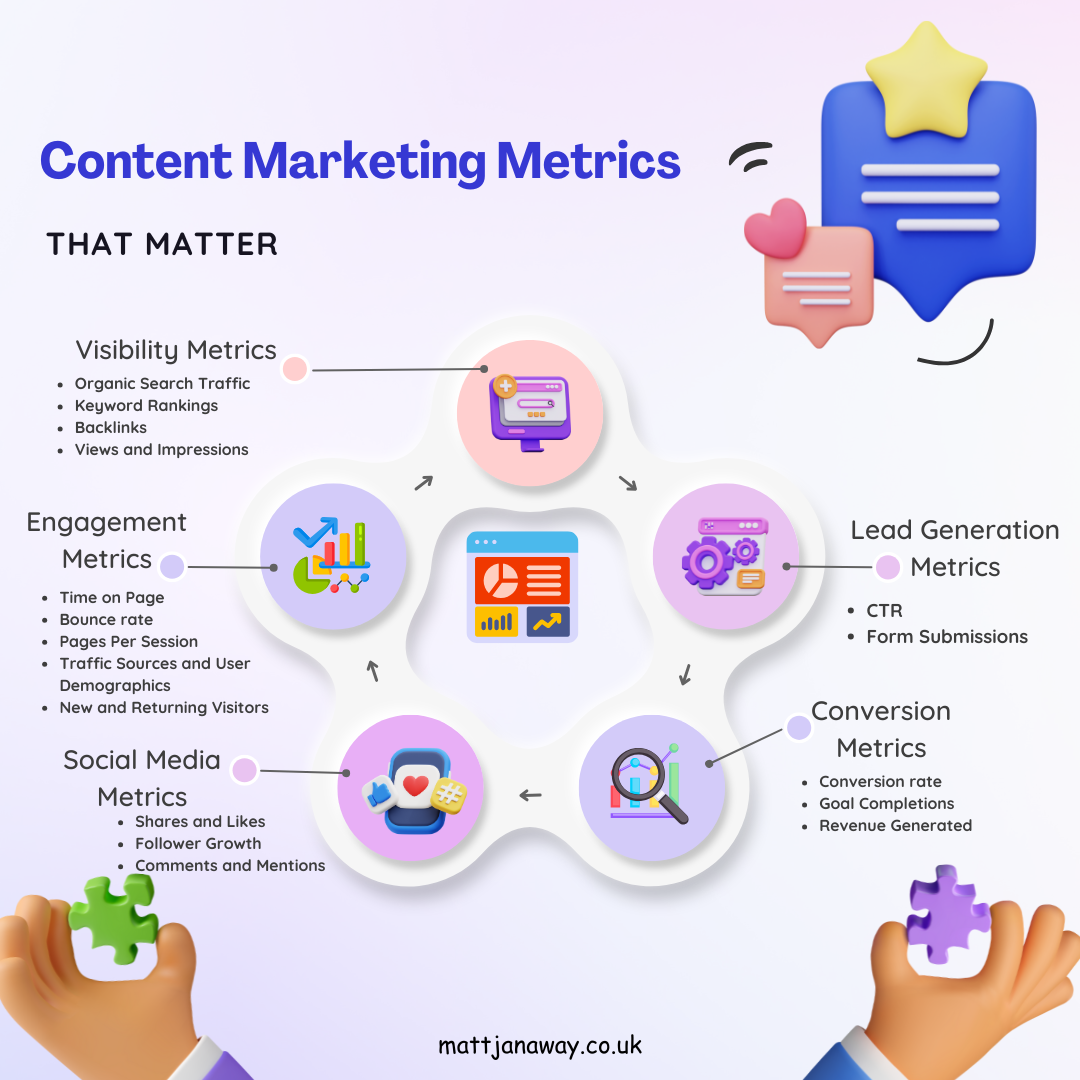
As we move toward 2025, content marketing will increasingly depend on meaningful and relevant performance measurement.
The companies of the future will not measure the success of their content by simple metrics (i.e., engagement figures), rather they will measure success by evaluating how well their content delivers on their expectation of growing their businesses and retaining customers.
Use of Advanced Metrics
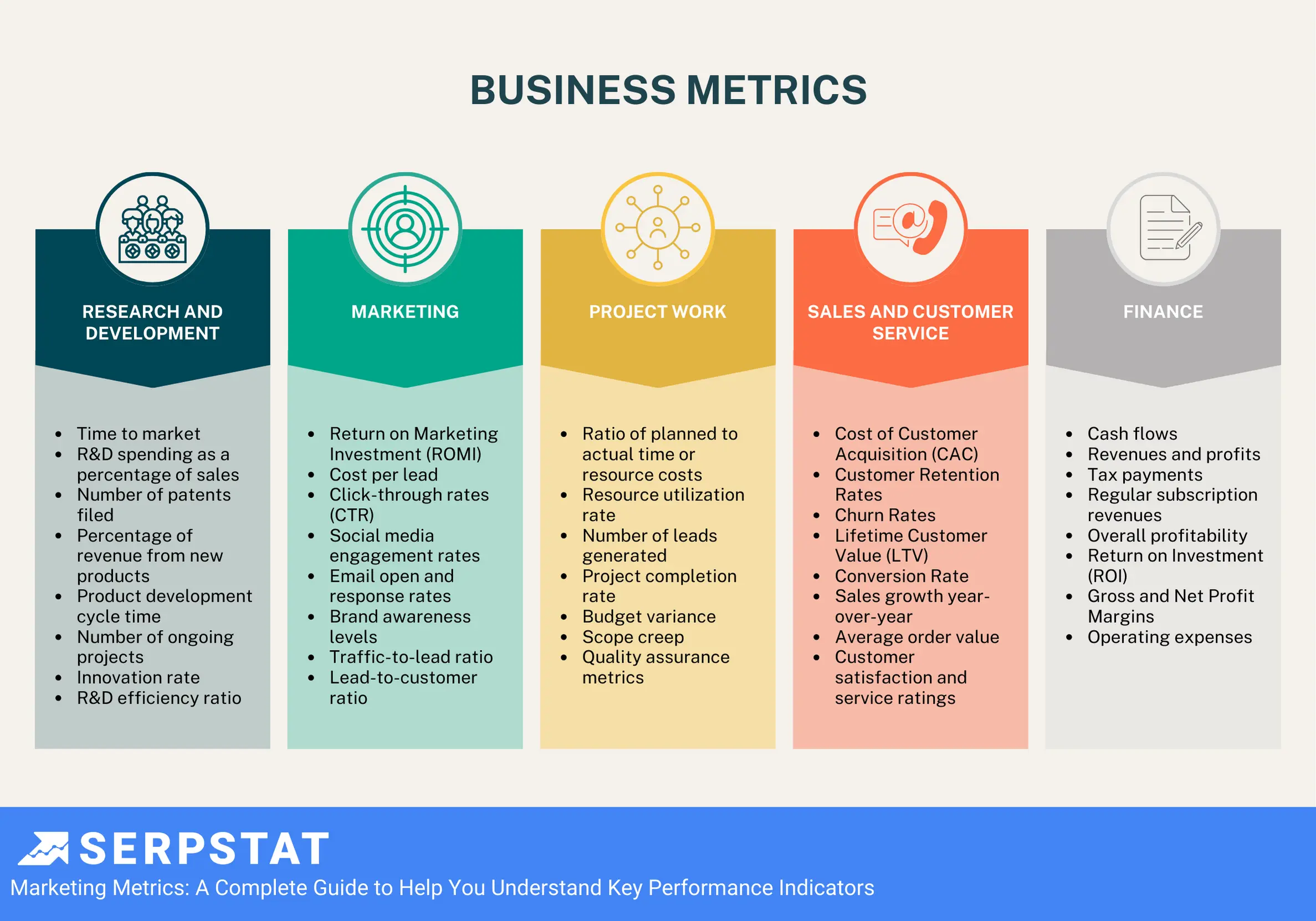
Assisted conversions, Customer Lifetime Value, and tracking content across multiple channels are a few examples of advanced metrics that companies will begin to utilize as part of their content measurement strategy.
In addition, companies will use tools such as Adobe and Google to evaluate how well their content has performed across time.
This data will allow companies to plan their marketing strategies and eliminate wasted time and resources as a result.
With access to their historical data, companies can develop budgets to create these types of formats.
Due to the various platforms used for distributing content, a brand has the ability to choose the best form of content to be provided to consumers based on each platform.
How a Consistent Voice Creates Trust

Having a clear and transparent explanation of the ways in which companies will be using consumer data, the manner in which that data will have been obtained through partnerships with other companies, and the overall intentions for collecting consumer data, will be paramount in determining the success of a brand’s content marketing strategies in today’s environment.
Companies that provide explicit, clear and transparent explanations of how their collected data will be used will gain the highest level of respect from their target audiences, especially in highly regulated industry sectors.
Importance of Ethical Content Practices

Having a clearly defined ethical standard of practice will allow you to create engaging content for your target audiences.
Core Ethical Content Principles
-
Truthfulness of Advertising Claims
-
Reliability of Information as Sources
-
Non-Manipulative Messaging
Companies will obtain first-party data from their own audience through their own owned and operated channels, thus enabling them to collect higher quality data and build long-term relationships with their audiences.
Privacy Regulations Will Regulate Data Collection Practices of Companies

Since the passage and enforcement of GDPR and other privacy regulations, the methods used by companies to collect consumer data have changed.
No longer do companies rely solely on using email lists to acquire consumer data; now, they have to utilize gated content and build communities around a common interest to collect consumer data.
In addition to this change in data collection methods due to the introduction of privacy regulations, there has also been a marked increase in the velocity of companies’ attempt at amassing first-party data, as seen in the actions taken by both Google and Apple to improve a user’s privacy through updated privacy guidelines.
Thought Leadership – The Growing Importance of Developing Brand Reputation
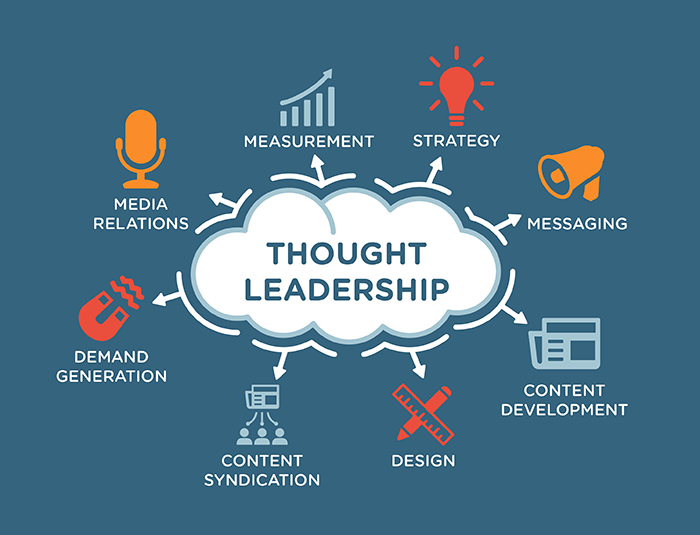
Thought Leadership is becoming a major element of content marketing strategy by 2025.
Brands will want to use thought leadership to provide information and guidance to audiences, as opposed to just trying to sell/promote to audiences.
Through providing information and guidance, brands will also establish and develop brand credibility in an increasingly competitive marketplace.
Educating Audiences First

The most impactful thought leadership solutions positively affect the audience in some way.
Examples of that are:
-
When the content marketing team creates and shares real, practical examples and applications that happen in the daily lives of the customers;
-
When the content marketing team articulates industry trends and/or potential threats to their target audiences;
-
When the content marketing team does not focus on how to “sell” products/services.
The “educational” benefit of providing valuable information correlates directly with cultivating customer loyalty and deeper levels of engagement.
Streamlined Content Marketing Workflow
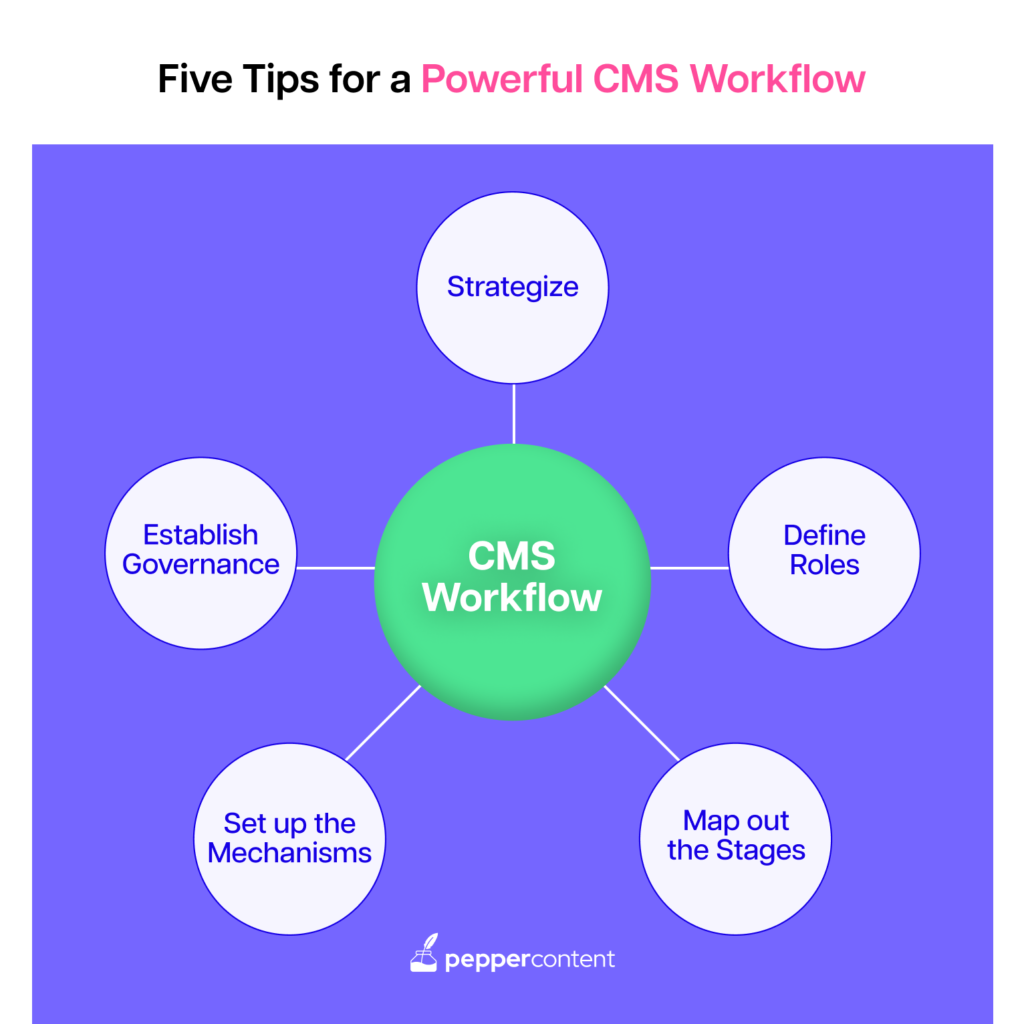
The majority of content marketing teams will have very small, but at the same time, will be streamlining their workflow so they can produce more content than they have in the past.
This increase will be the result of the fact that clients will be giving the marketing agencies more to do, but won’t be increasing the marketing agencies’ use of their budgets to accommodate the increased workload.
Increased Speed of Execution Through Workflow Automation
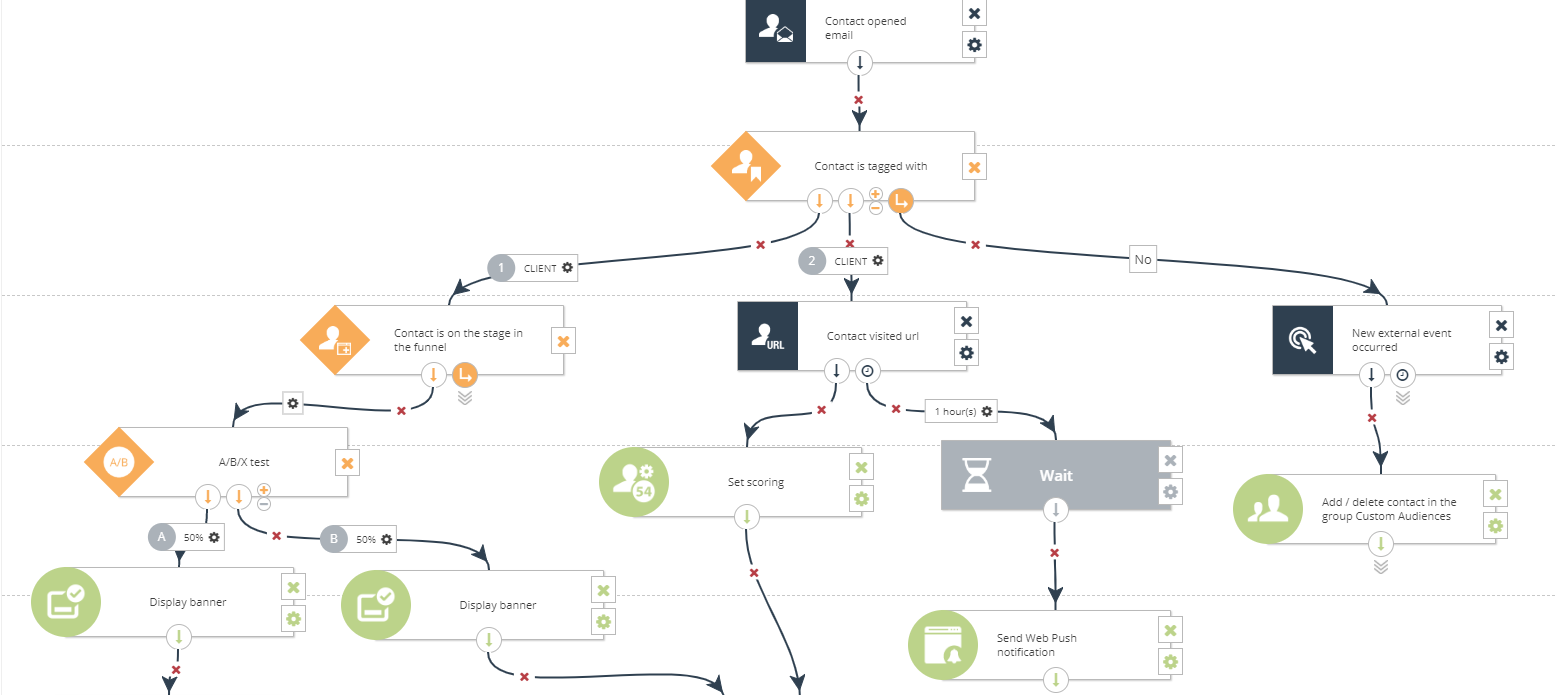
Automation has provided content marketing teams with the ability to plan workflows, approve work, and publish much more efficiently than was possible before automation hit the scene.
Automation platforms like Adobe and Asana will help eliminate bottlenecks and allow content marketing teams to be able to see where all of the members of their teams are on their assignments, which in turn will allow content marketing teams to spend more time focusing on the quality and strategy associated with the types of work they are providing for their clients.
Collaboration Between Teams Will Continue to Increase
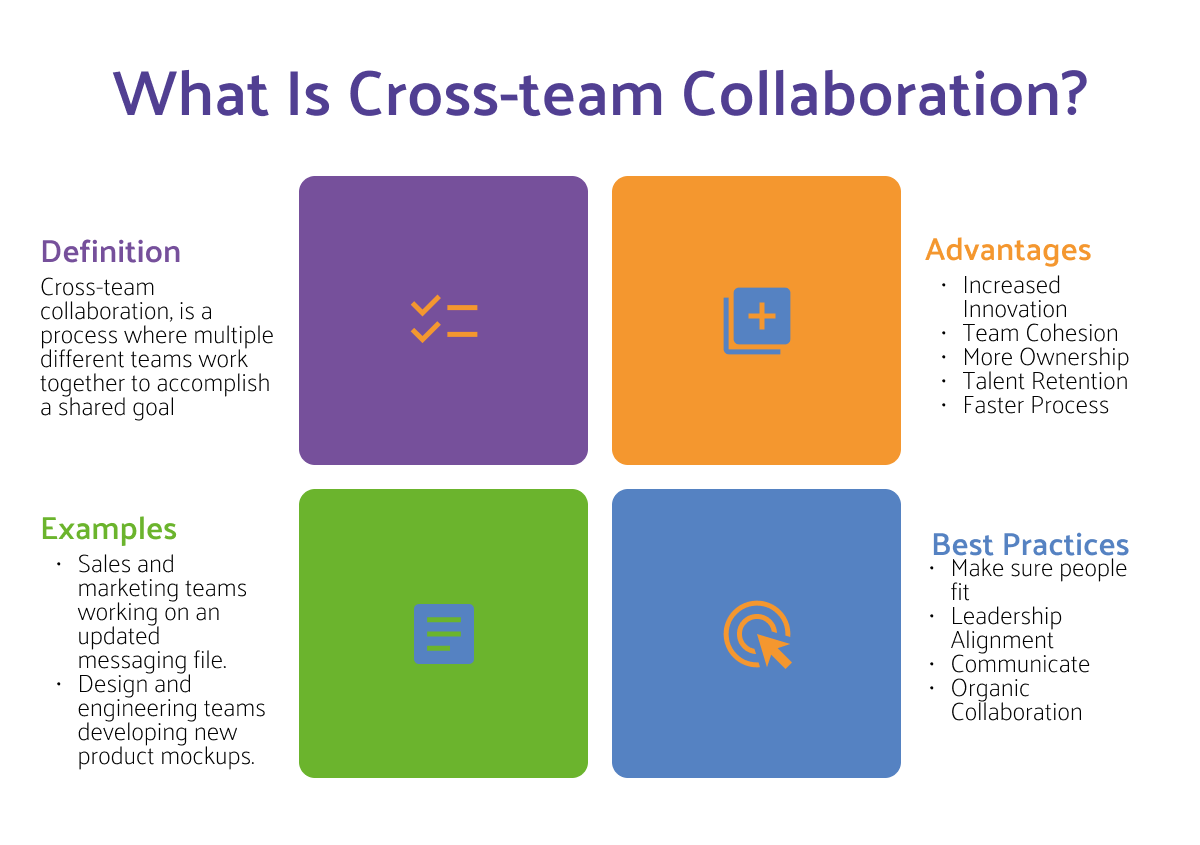
Content marketing teams will continue to work for synergy with sales, product, and customer success in order to enhance their performance across the board.
Each of the three teams has a similar objective of ensuring a consistent and seamless experience for the customer, which will lead to smoother, more cohesive experiences for customers.
More Efficient Operations Will Result from Process Definitions

Clearly defining workflows will allow content marketing teams to operate more effectively moving forward.
Clear workflow definitions provide clarity for roles assigned to teams.
They also allow for the continuous evaluation of how to improve over time based on feedback received throughout the life cycle of the campaigns.
The trend of creating video content

The trend of creating video content will be more prominent than other types of media for Brands by the year 2025.
Video allows users to communicate their messages in an effective manner and also allows users to build a deeper level of emotional engagement with their audience.
As the trend of User Generated Content continues to grow in popularity, Video content will play an even larger role in the marketing strategies of Companies across all industries.
In addition to Video being the primary means of sharing User Generated Content, Companies will also begin implementing other types of formats for their digital advertising including Long and Short form Videos, and Live Videos.
With the rise in the number of people using platforms like YouTube, Companies can now create longer, more detailed stories that provide more opportunity for people to find their content on the Internet.
Auditory Learning will not be as effective with Video content

Auditory Learning will not be as effective with Video content.
Auditioning videos has decreased the effectiveness of Auditory Learning, but it has provided viewers/audiences who are interacting with a Video a greater chance to retain information as well as having a greater chance to engage with the Brand(s) longer.
As Video becomes more mainstream in Brand’s Digital Marketing Strategy, Companies that are able to leverage the latest trends of Video content will likely be the Companies best suited to adapt to the Future of Video Content.
Interactive Content and Interactivity

Currently, Interactive Content and Interactivity represent a large percentage of the future content marketing strategy.
Consumers now prefer to engage with the content they consume and Interactivity is a key component of engaging Consumers with the content.
As a result, Interactivity is an effective method of retaining Consumer attention and continuing to build upon Consumer’s Interest.
Common Forms of Interactive Content
-
Quizzes
-
Polls
-
Calculators
-
Assessments
Interactivity can come in many forms, such as Quizzes, Polls, Calculators, and Assessments, which all provide meaningful insights about what Businesses can do to meet the needs of their Consumers.
Examples of Interactive Content are provided by Typeform.
The user responses generate valuable first party data which will support both the personalization of future advertising campaigns as well as assist marketers in locating and creating new audience profiles.
Interaction with a clear goal

Interaction with a clear goal creates a better experience for the end-user.
If questions are seen as having relevance, users will be more engaged with the overall content experience.
Results generated by this type of engagement will have value beyond just an increase in sales.
As such, the focus on customer engagement through interactive content is essential to an ongoing relationship with customers and building lasting results.
Marketing Based on Customer Intent
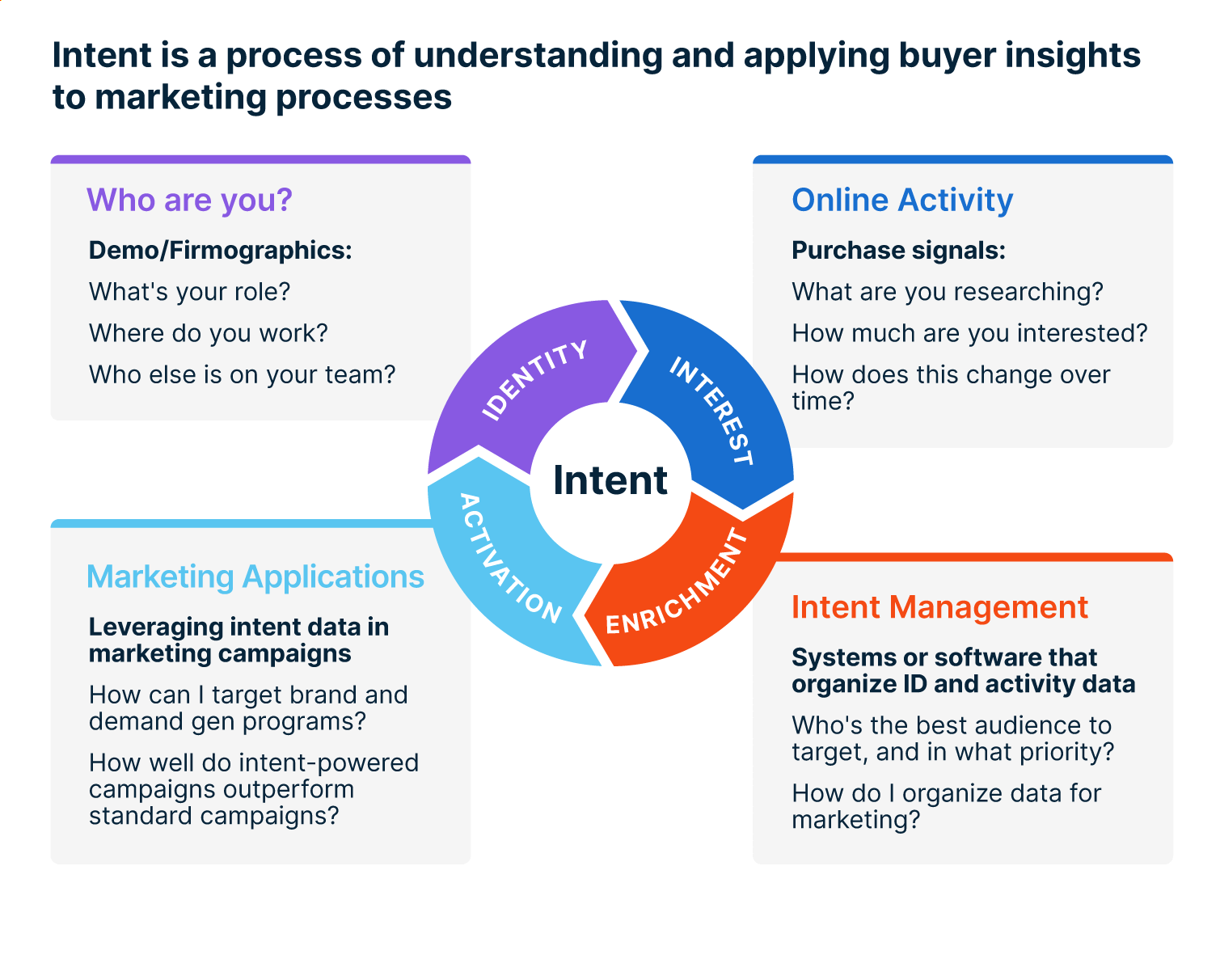
As the search behaviour of users continues to change, marketers will continue to provide access to quick, accurate answers to user questions.
Therefore, both SEO and content will take into consideration both the way that users will read content and how marketers will optimize for reading and searching for similar content.
Marketers will engage with their customers on the intent of their queries to provide useful content.
Marketers will utilize Google tools to develop accessible and useful content for their customers and will concentrate on the search intent of their customers while creating useful content.
The Use of Artificial Intelligence to Deliver Search Result Displays

Artificial intelligence (AI) powered search engines and tools are influencing the way results are displayed on the web.
The format and structure of the content will aid in improving the clarity of the information presented and allow for ease of navigation to find what the content user is looking for.
When the content created is relevant to the audience, the brand will have an opportunity to update and refresh its website and content with an SEO strategy to help grow the brand organically.