 by
by Digital Branding has become one of the primary focuses of companies looking to stay relevant in the increasingly digital world.
As the concept of Digital Branding grows, it is moving from single Channel Campaigns to Multi-Channel, developing an emphasis on establishing meaningful connections with customers at all digital touchpoints.
This article provides guidance, resources, and best practices for businesses to create a Digital Branding strategy that integrates Social Commerce and provides an effective means to execute online marketing initiatives, ultimately achieving Long-Term Development of Brands.
The Definition of Digital Branding
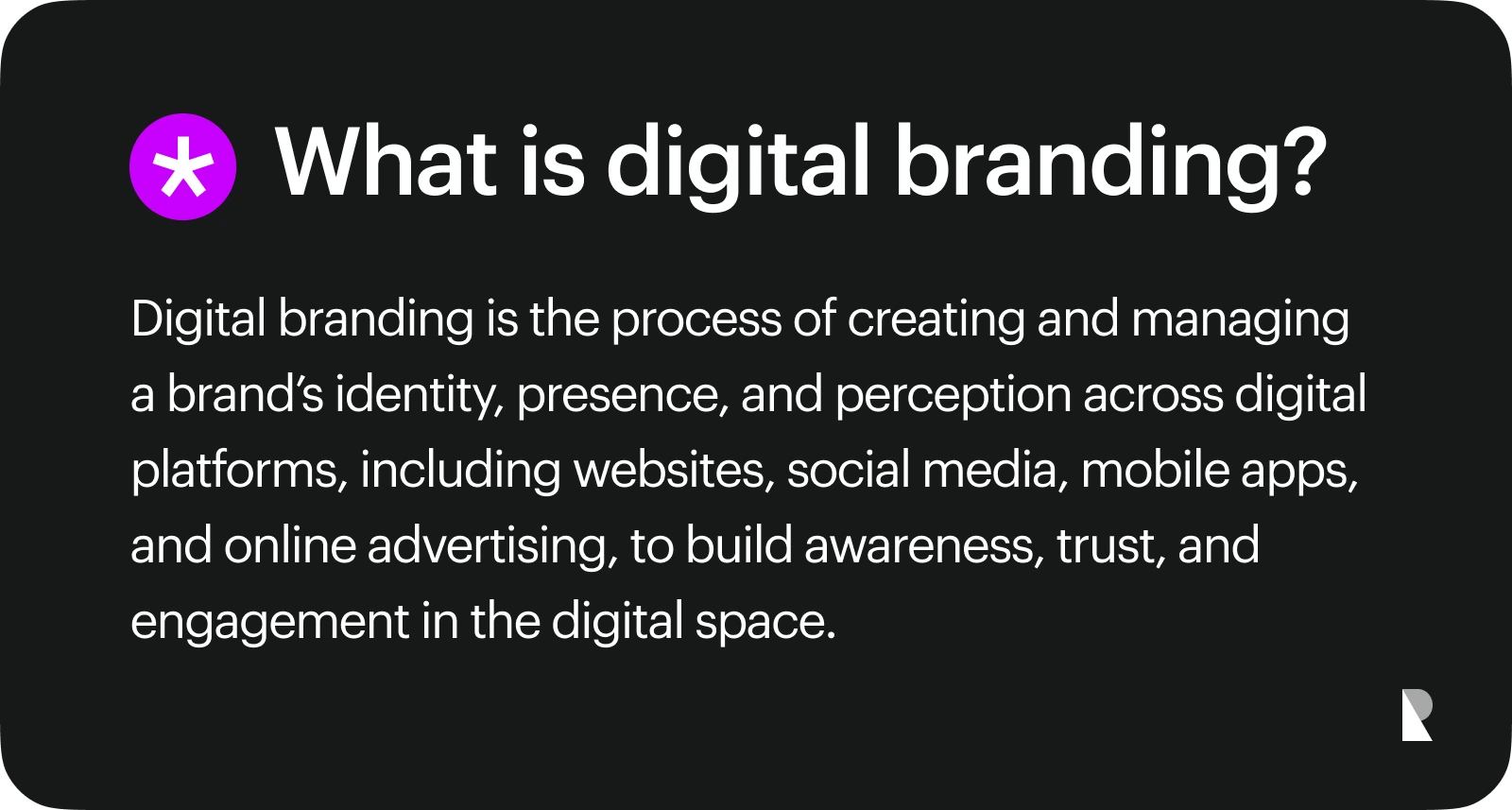
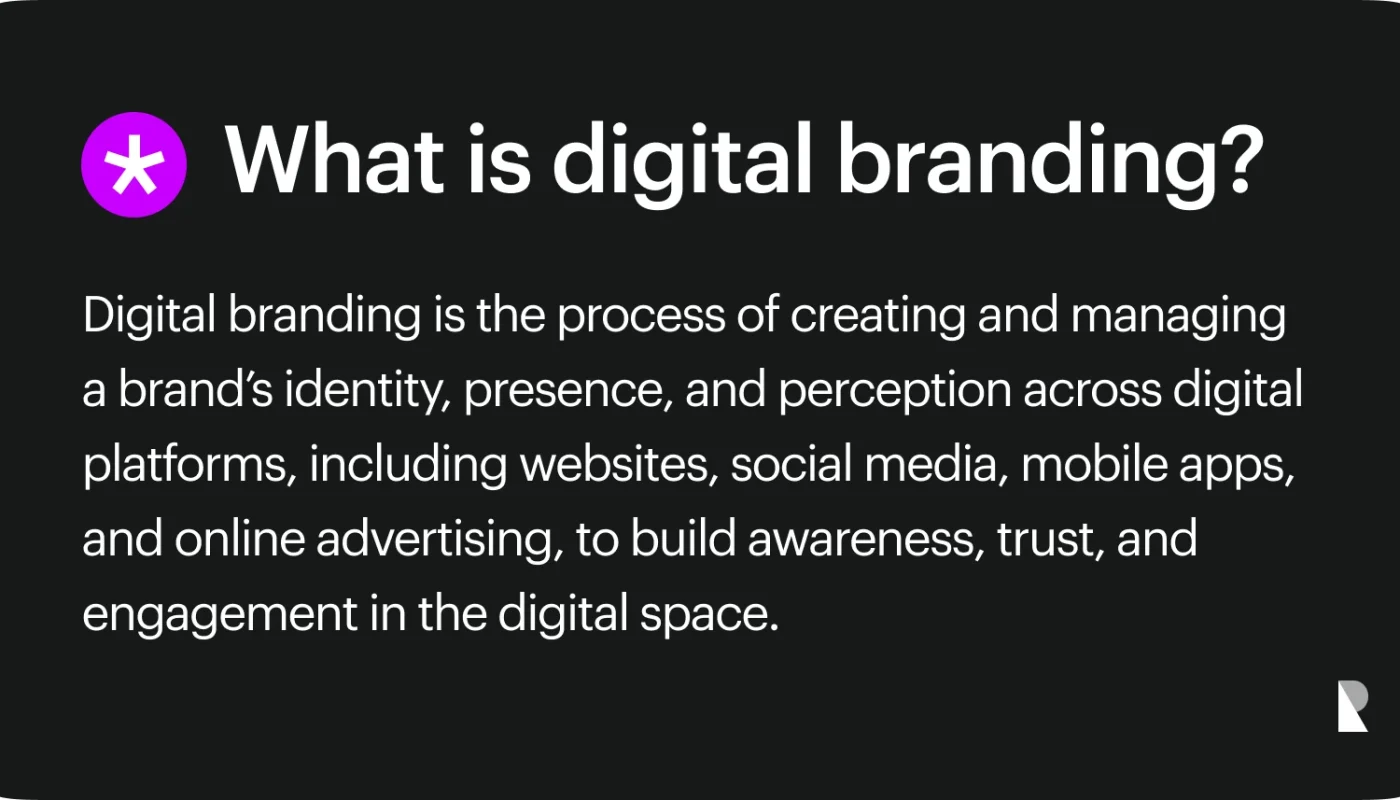
Digital Branding refers to the way a company’s Website and social media pages represent itself as well as the presentation of its brand in an online Marketplace.
A Digital Brand can include visual elements such as a logo (or graphic design), the tone (friendly, professional, etc.) of the brand, and the messaging being communicated.
If a company develops its Digital Branding effectively, it allows customers to easily recognize it among other (less developed) Digital Brands in an over-saturated Online Market and gives Companies credibility before a purchase has taken place.
In addition to providing consumers with an opportunity to easily identify how a company presents itself online, Digital Branding also allows Companies to effectively market their Brands on multiple channels (such as social media, etc.) to build brand loyalty among Customers.
Digital Branding Supports Brand Growth
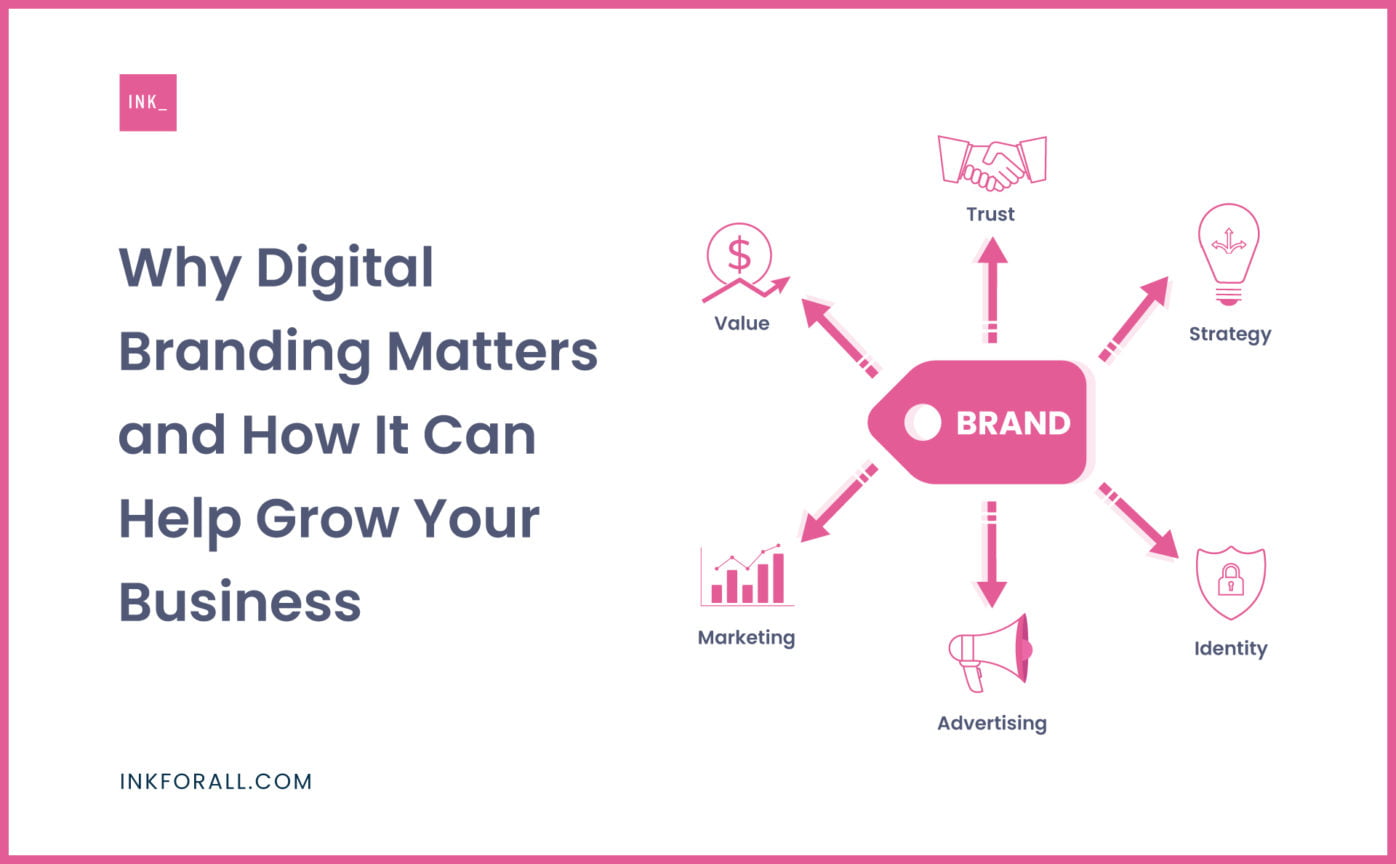
Digital Branding directly supports Brand Growth by providing Brand Recognition and building Loyalty.
The consumers returning to Brands they recognize and Trust usually connect with those Brands through Brand Loyalty.
The more connected a consumer is to a Brand, the less money is spent by that Brand on Advertising, and the more times the consumer comes back to buy from that Brand.
Creating an Effective Branding Foundation allows a business to fully harness the power of eCommerce/Social Commerce (discussed later).
The Role of Social Commerce in Digital Branding
The Effect of Social Commerce on Consumer Buying Behaviour
Social Commerce allows Consumers to find and purchase in new ways.
Historically, if consumers were looking for a specific Product, they would go to a traditional eCommerce website to search for that product.
Nowadays, consumers can buy products while watching Short-Form video content on Social Media and browsing through their Social Media Feeds.
The change in where and how consumers are finding and purchasing products has changed the way they think about purchasing products; it has become less about a transaction and more about a natural experience.
Therefore, Brands need to incorporate Digital Branding and Social Commerce into their Customers’ experiences.
The Use of Social Commerce to Utilise Consumer Trust

Social Commerce is leveraging consumer trust through the use of products being placed in authentic conversations.
When consumers see other Consumers use and share a Product, they are more likely to purchase it, and their decision time will be reduced.
Therefore, Brands are now telling stories instead of directly selling their Products.
Social Commerce – A More Authentic Connection Between Brands and Customers
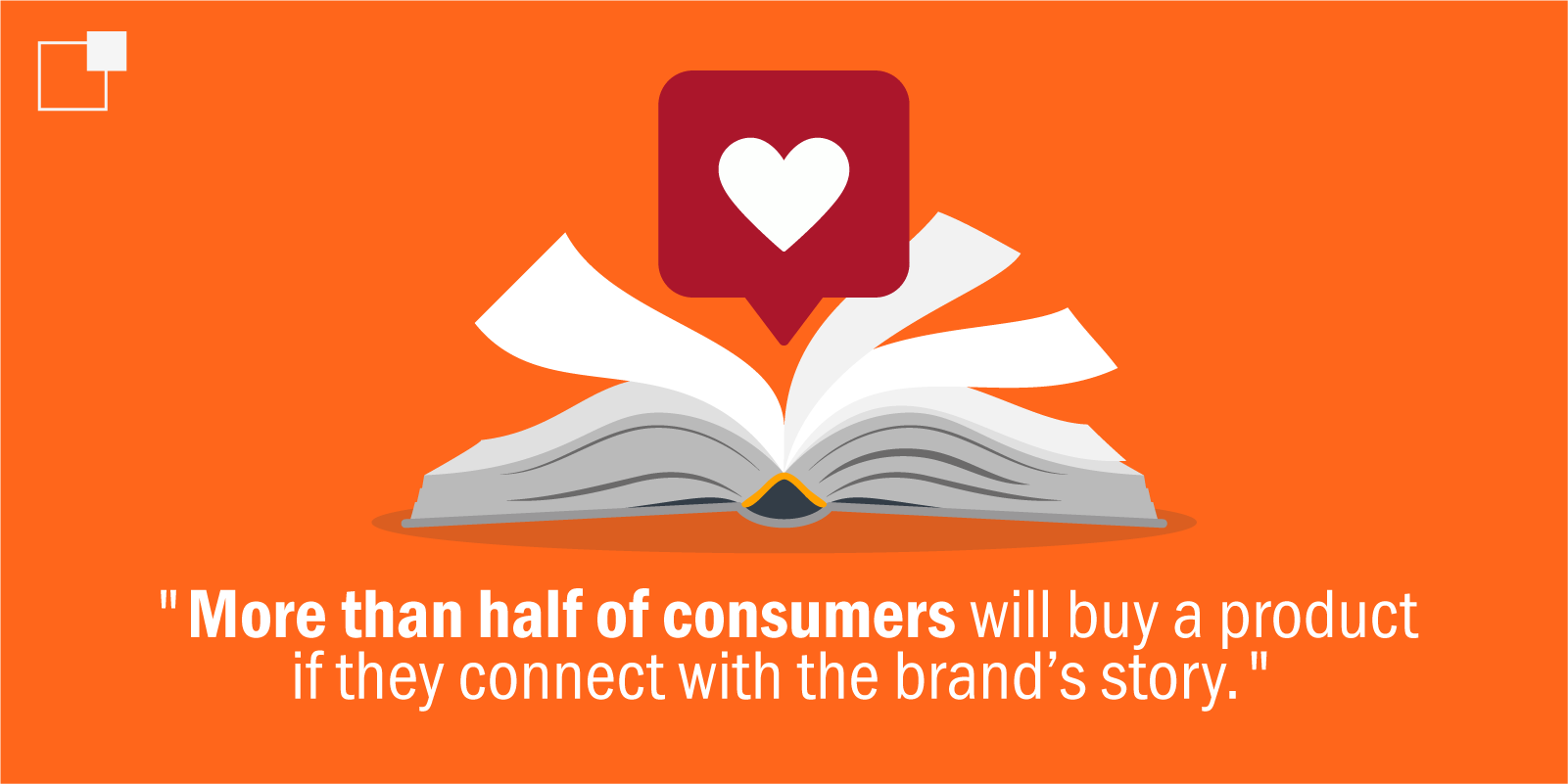
Digital Branding was not created without social commerce being part of the digital branding’s core concept.
When brands and customers interact with various types of social commerce interaction through social media; “likes,” shares,” comments,” and live shopping” etc., can cause a personal connection between the companies’ brand and customers.
Creating personal relationships between companies and customers can provide an opportunity for brands to create (with consumers) an image of their company and themselves that has less of a gap compared to what is created by the electronics that make it possible.
The development of these types of relationships over time allows a brand to have a greater ability to create a more connected world of eCommerce through its complementary marketing activities.
E-commerce Integration – Adds Value to the Brand’s Digital Image

Why is eCommerce Integration Important to My Brand?
A well-integrated eCommerce plan connects the digital presence of your brand with the channels your customers are purchasing from (to the places they are buying from).
For example, your customers are able to have an easy transition from the time they meet you through social to the time they purchase from you.
If customers visit your eCommerce site through social media and you provide an experience they are familiar with (both in terms of how your product pages are laid out and the way they navigate through the checkout process, as well as the way you provide customer service), then you are building trust with customers at every stage of their eCommerce engagement with your brand.
If your eCommerce is poorly integrated, then your customers will not trust you, and you will lose potential sales (decrease in conversions).
If your eCommerce is well-integrated, your eCommerce strategy will be an extension of your digital branding strategy.
Effective Communication, Familiarity with Brand Images, and User Experience Equals Customer Confidence to Purchase
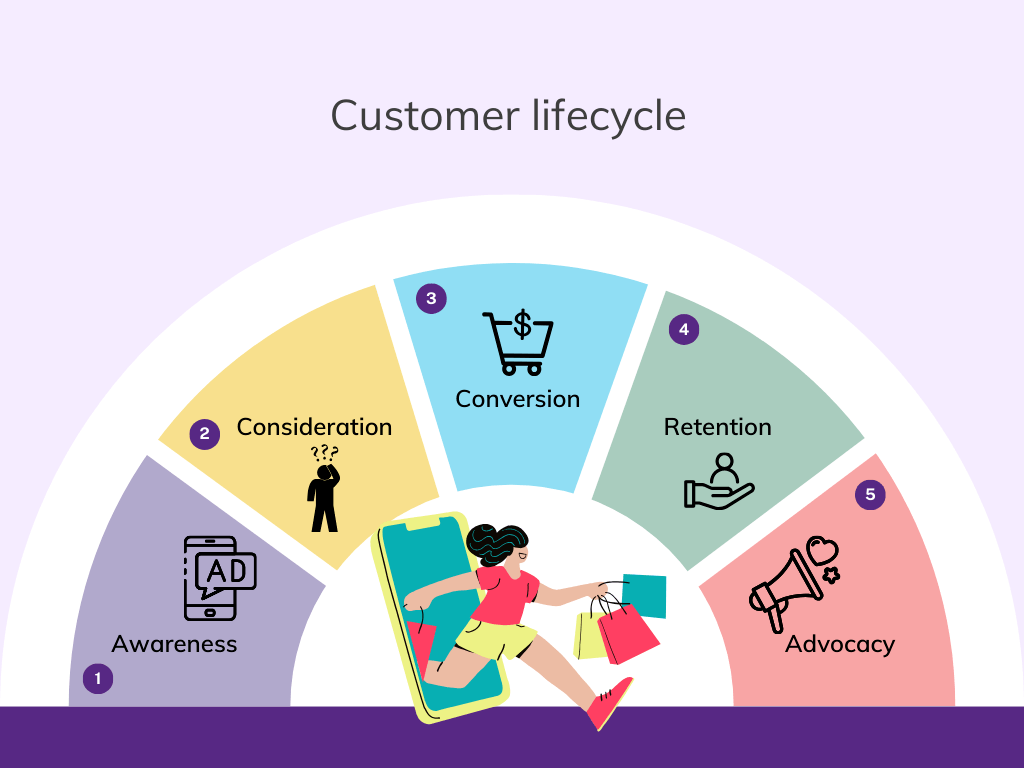
When a company offers its customers a positive user experience, it will convert a higher percentage of its customers into paying customers.
E-commerce integrates Brand Growth by providing a company with consistent and scalable access to its brand over multiple platforms.
Companies that utilise E-commerce Integration effectively will be prepared to leverage the use of Social Commerce more extensively and will discuss this in the next section.
Maximising The Use Of Social Media Platforms To Create Your Brand Digitally

Selecting the Right Social Media Platforms for Social Commerce
Social Media Platforms are used for various reasons when branding digitally.
When brands select the proper social media platforms, they can establish an effective connection with their customers on a more direct level.
Social Commerce offers brands a different way to utilize social media to reach customers, and each platform has its own unique features for brands’ Social Commerce.
Therefor, brand owners should create their Social Media Creation Style according to the unique features of each Social Media Platform, while still creating Content according to their overall brand strategy.
Using the right combination of Creative Content with Consistency
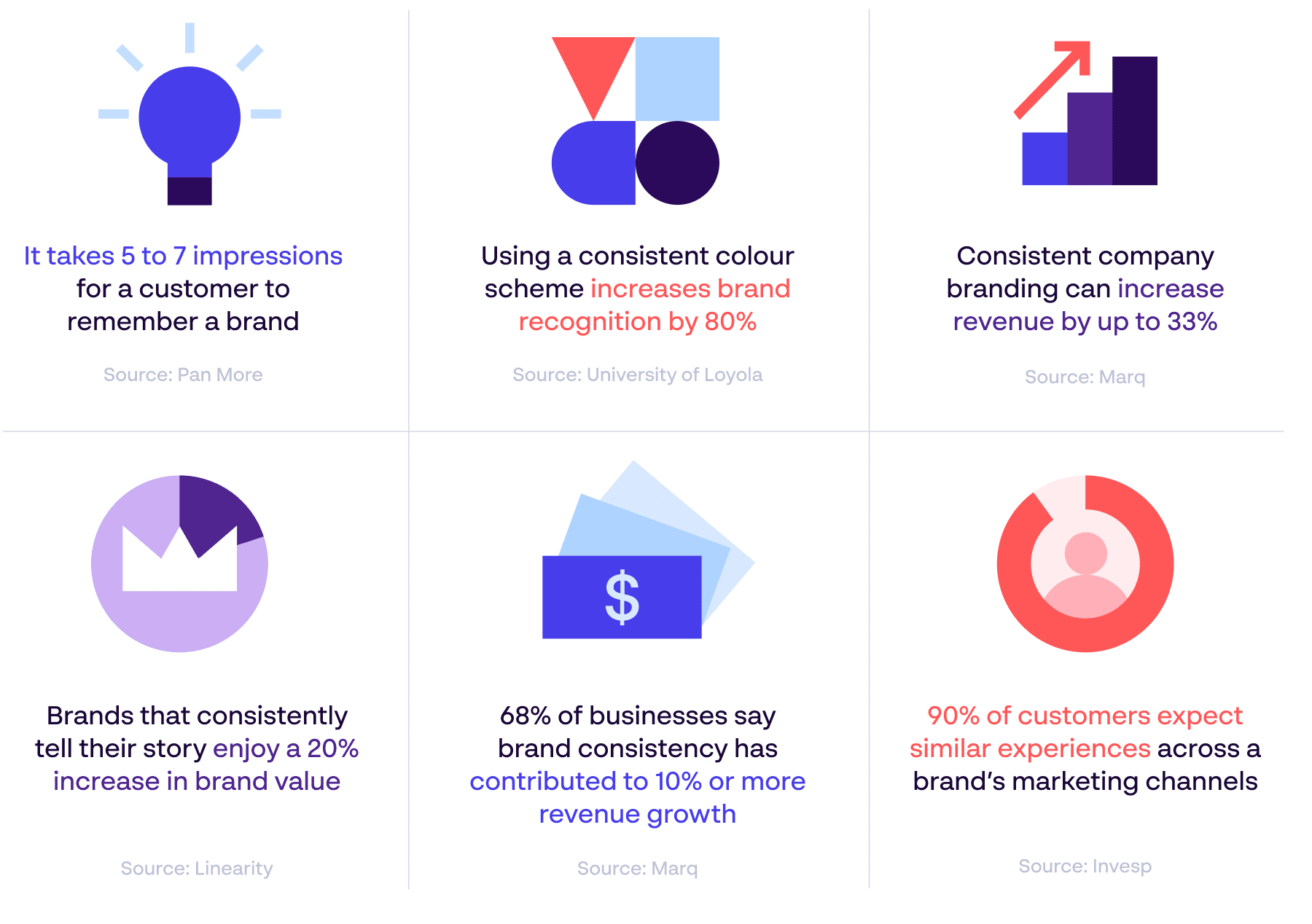
Using the right combination of Creative Content with Consistency will create an environment where customers are familiar with your brand and will build stronger relationships over time.
Picking the appropriate Social Media Platforms to develop Content Strategies will also improve visibility on the Internet, increase Customer Engagement, and ultimately increase Brand Growth.
Creating Content Strategy for Digital Branding on Social Media
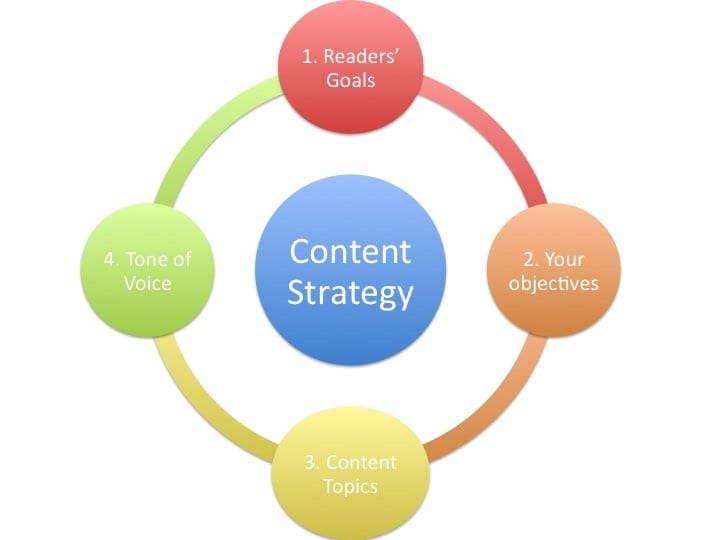
Creating Content will be the most significant element of a Digital Branding Strategy on Social Media, and by Creating Content, you establish an authentic and trustworthy image of your brand through creating Educational Posts, Behind the Scenes Videos, and Customer Generated Content.
When you include Product Recommendations within Creative Content, you will find that these Products/Services will be less likely to be seen as overly Promotional.
Integrating Meaningful Engagement with your Customers on Social Media will contribute to your Brand Goals of Building Long-Term Relationships with your Customers and Building Your Brand’s Presence in the Market.
Building a Content-Centric Digital Brand via Social Commerce

The Impact of Content on Digital Branding
By Creating Content, a Brand can develop their Digital Branding Concept.
Customers use the Internet (via Social Media) to interact with a Brand via a variety of types of Media (such as Videos, Posts, and Stories), and will determine if a Brand is Credible and what the Brand stands for before making a Decision to Purchase.
High-quality content

This is why it is necessary for brands to provide users with several opportunities to experience their brand or brand message in a positive way by providing high-quality content, as well as how to create brand loyalty through high-quality content creation.
High-quality content will increase the likelihood that consumers will engage with a brand’s product line and gain familiarity with the brand.
In addition to building a sense of goodwill and trust, brands that produce useful, entertaining and/or educational content will have a stronger emotional bond with their consumers and therefore be more likely to have customers who are willing to try their products.
Content can function as a bridge
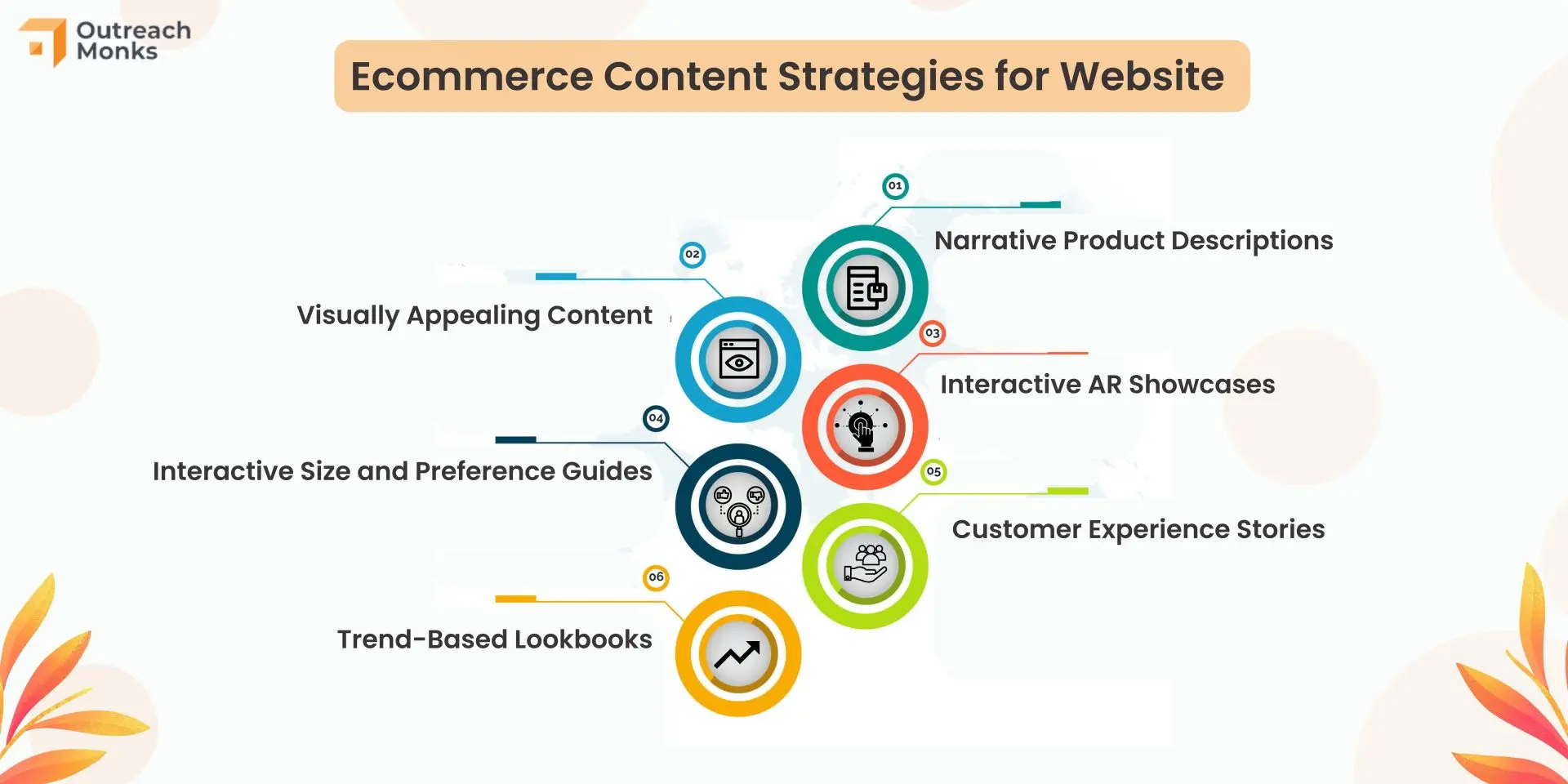
Content can function as a bridge between a brand’s marketing efforts and an online store, thus driving traffic to a brand’s online store and increasing the chance of making a sale.
By associating any product with the content created for that product, customers will feel more confident in the decision to buy that product.
Customers will have the highest levels of confidence when buying from a brand that uploads both video demonstrations of how to use its products and written use case descriptions of when customers can use its products.
Brands that operate transparently with their customers
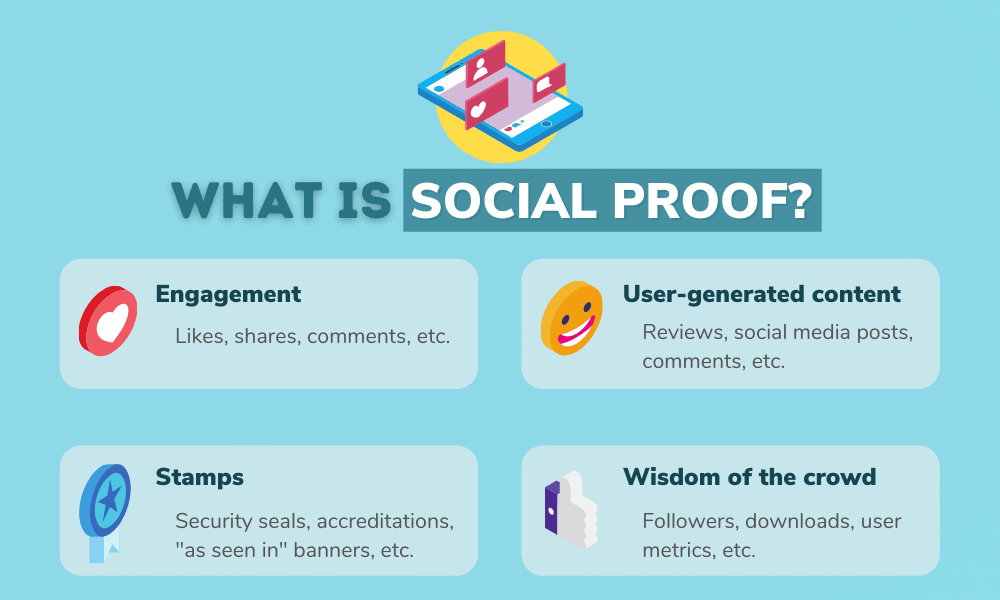
By providing customers with both written and visual testimonials, as well as showing engagement with the brand, customers have confidence that they are participating in a legitimate and honest company.
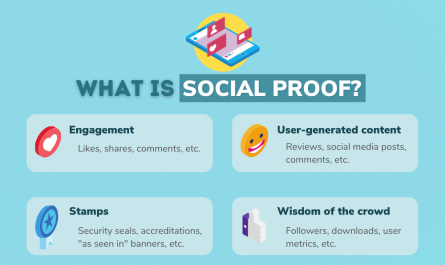
Social proof reduces any ambiguity that may exist in regards to purchasing a product from an unknown company by demonstrating how many other customers have already had interest in or purchased the product.
Influencer Partnerships as a Digital Marketing Strategy

Influencer Partnerships and Their Role in Social Commerce
Influencer partnerships have proven to be an effective way to establish a brand’s digital presence within the social commerce market.
Consumers tend to be more connected to and trust the influencer versus the brand due to the personal connection established by an influencer’s incorporation of the product within their content.
The Use of Data for Strategic Development of Digital Brands

Utilising Data to Improve the Operational Use of Digital Brands
The use of data is fundamental to the process of creating an effective online presence through social commerce systems.
Data driven metrics such as engagement rate, click-through rate & conversion rate enable brands to understand their customers’ behaviour on their websites.
By using this information to understand how messages and images connect with customers, brands will reduce the level of uncertainty that exists when producing a digital brand.
Data driven decision making
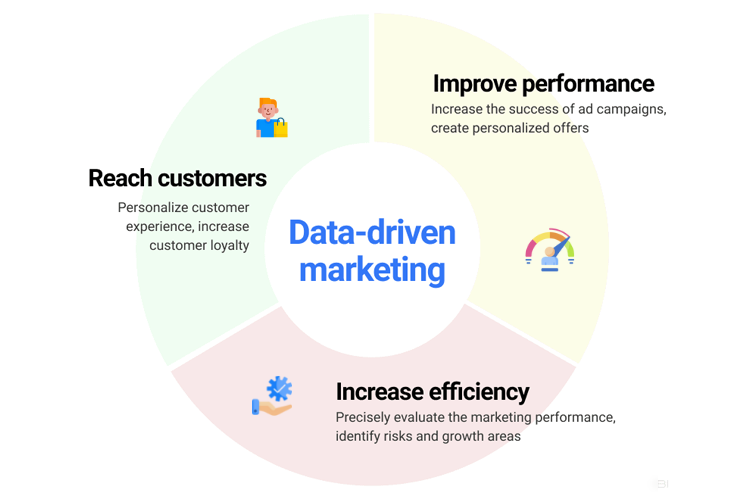
The value of data driven decision making is that it will ultimately create consistency within the production and management of digital brands.
By looking at how customers behave across a number of platforms brands can see how they can improve the transition of customers from social commerce to ecommerce.
Brand Heightening Through Data Insight

The journey of the customer is often comprised of a combination of digital brands integrated with ECommerce platforms.
During their journey, customers often experience many different digital touchpoints, including social media, websites, product browsing pages, and checkout pages.
Many times, customers feel as though there is a break-in-communication between the different touchpoints they are using to complete their purchase and this causes them to lose trust in the company.
Providing a consistent brand experience

When customers see similar images and colours, styles of language, and similar means of navigation throughout the customer’s journey, the consumer will feel secure to continue through the customer journey.
Moreover, providing a consistent brand experience for consumers will result in higher conversion rates and a lower number of abandoned shopping carts.
When brands focus on creating a quality experience for customers through the design of their customer’s journey they are more likely to develop a loyal customer base and achieve long-term success.
The intention of designing a customer’s journey
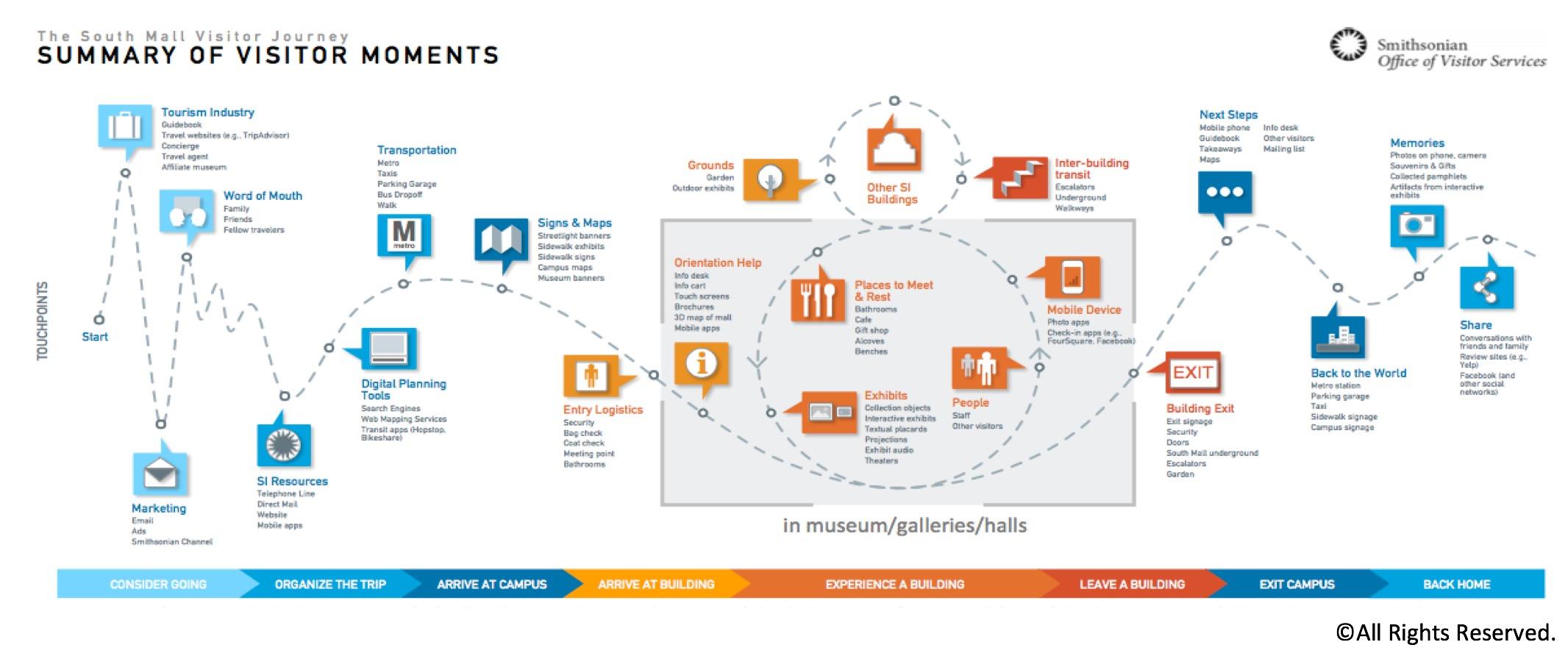
The intention of designing a customer’s journey is to help brands acquire new customers and build loyalty through an improved experience for the customer.
In doing so, creating a well-designed customer journey will increase the likelihood of a returning customer.
A well-integrated customer journey allows a brand to easily personalize the future transactions with each individual customer.
With this solid foundation, brands should be able to maximize their performance on social commerce channels and better prepare themselves for scaling their digital marketing programs.
Brand loyalty

As brands integrate their personalization efforts into their customer experience, it enhances the emotional ties between the brand and its customers and ultimately increases brand loyalty.
Brand loyalty is a result of building positive relationships with customers based upon the relationship between the customers and the brand.
As a result, the brand experience, as customers interact with it, creates brand loyalty through the establishment of a consistent representation of the brand across the channels available to the customers of the brand.
Multi-channel branding presents unique branding challenges
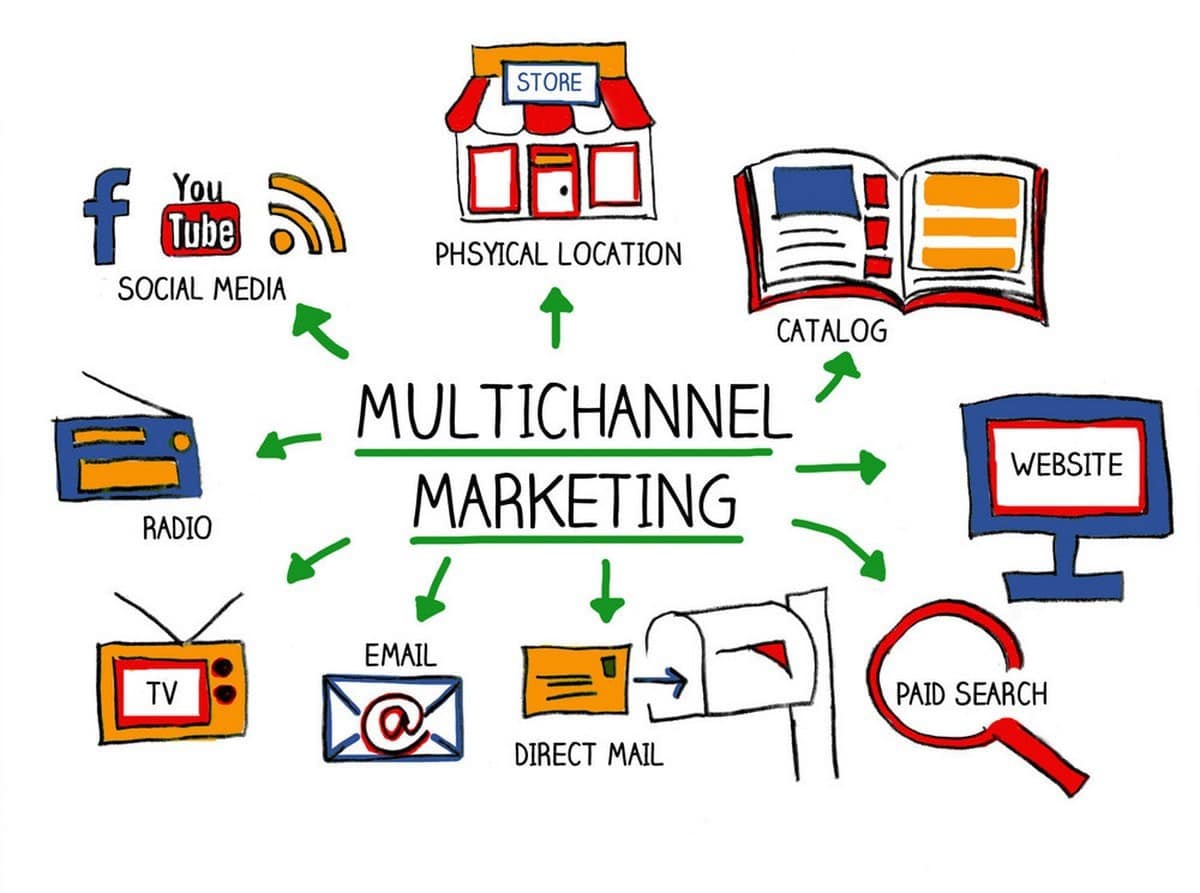
When brands do not have guidelines or standards by which to maintain visual identity, they may create an inconsistent visual identity between the various platforms when presenting themselves to the customer base.
Creating visual standards

Creating visual standards, developing tone guidelines, and creating messaging frameworks will allow brands to develop an identifiable and consistent visual identity across the channels.
By documenting the brand standards discussed above, brands that use online resources for their marketing efforts will be more successful in achieving maximum return on investment.
The Consistent Approach to Brand Trust & Growth Strategy
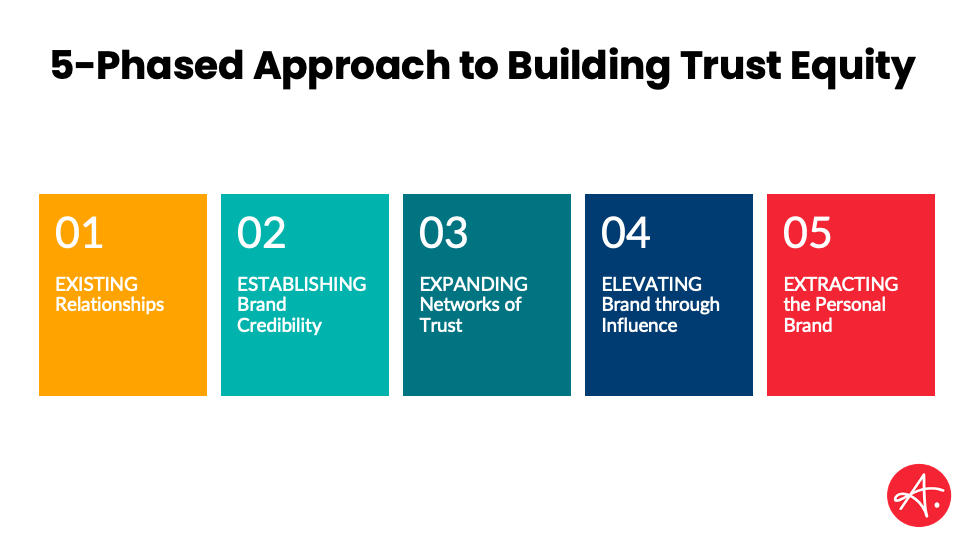
The Development of Brand Trust through Customer Engagement
Engaging a community is a key factor in growing a successful digital brand in the age of social commerce.
A customer wants to connect with their digital brand beyond the transaction.
Organic Promotion and Community Advocacy
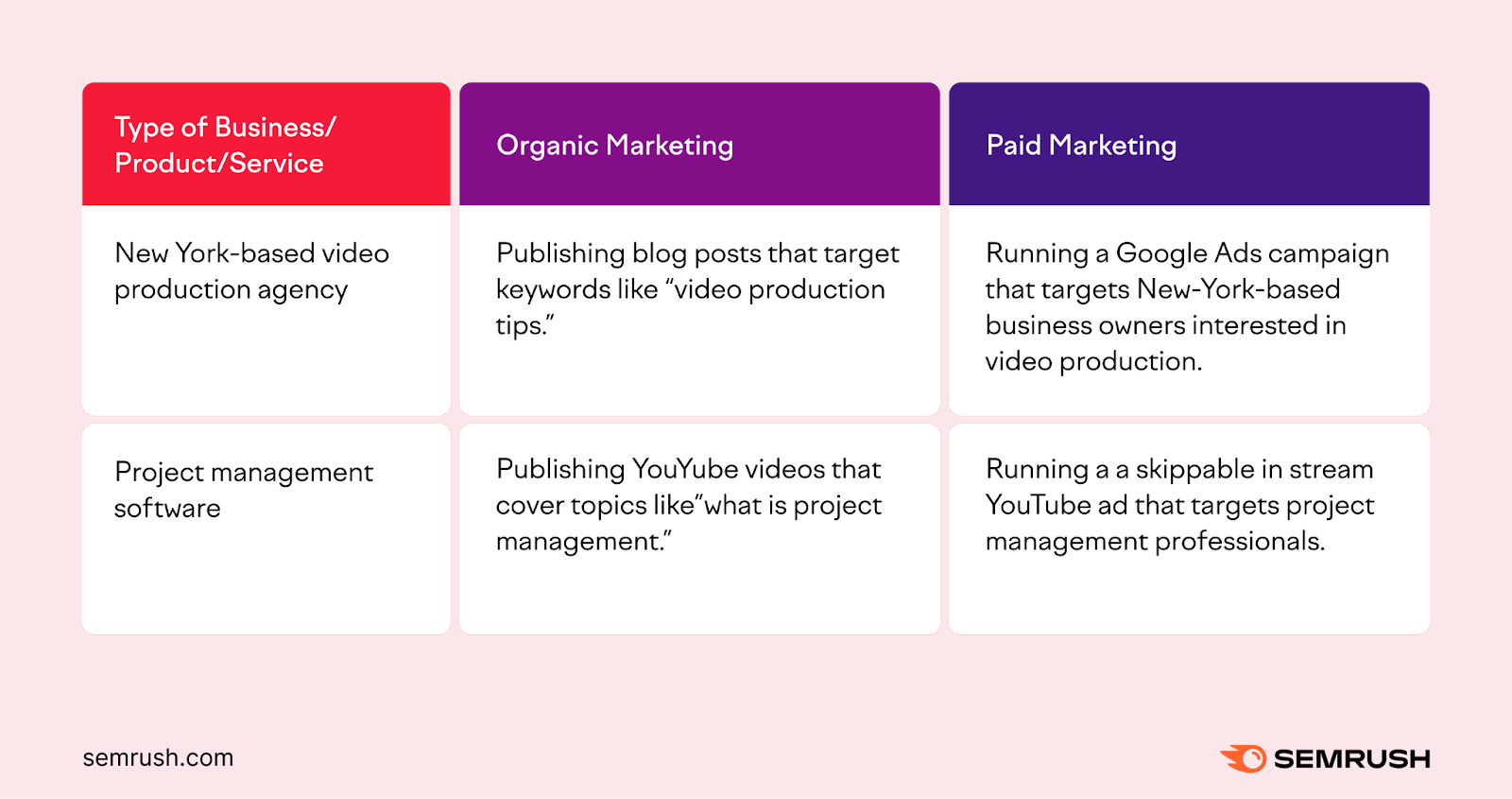
Furthermore, communities who have been engaged in a way that has increased their emotional connection to the brand also create increased visibility of the brand through sharing and discussing the brand with others.
A customer who feel cherished by the company will promote the brand more and will further become advocates for the brand.
Through Organic Promotion of the brand, Companies are able to promote their business through organic promotions without any high advertising costs that would come along with ad campaigns while providing the opportunity for customers to further promote and interact with the company via social media and by Providing Community Engagement Opportunities.
Building Long-Term Brand Communities
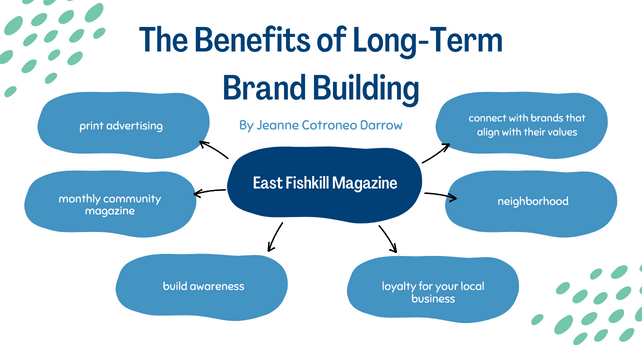
The ability to build Communities strengthened through Customer Retention and to engage your Customers through Community Engagement can help You build A Stronger and More Loyal Brand Community That Will Provide Increased Lifetime Value To Your Company and Your Customers.
When you Build Community Connections A community will provide An Asset For Your Company and the Strengthening Of The Community Connection Will Continue To Provide A Long-Term Community Asset For The Brand and Will Strengthen The Brand’s Social Commerce Performance.
Balancing Organic Brand Promotion with Paid Advertising

Paid Advertising Is A Very Important Tool That Continues to Provide A Very Powerful Tool For Engaging New Customers In A Brand Ever Since Its Beginning.
It Is And Will Continue To Be The Greatest Tool For Reaching New Audiences And Building Brand Awareness Through Social Media.
Furthermore, Paid Advertising Provides A Reason To Show Up Building Greater Brand Recognition, Especially When the Campaigns Are In-Harmony with The Brand’s Guidelines.
Consistency Between Paid and Organic Content
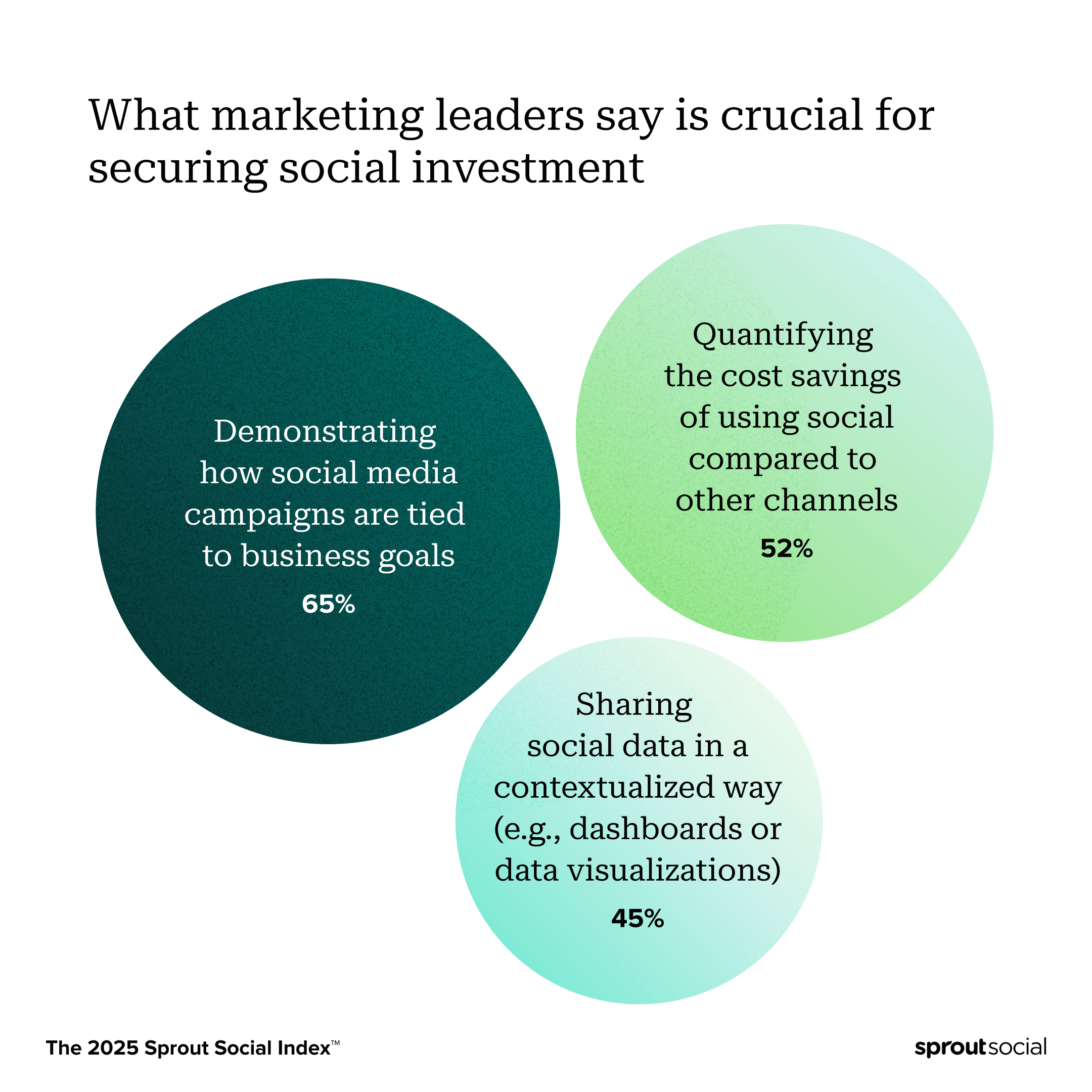
Further, Paid Ads should Represent What’s Being Offered And The Similarities Between The Two Should Have Similar Characteristics.
The failed connection between a Company’s Paid Advertising, and the Company’s Organic Content provides its Customers clear evidence that the Company’s Paid Advertising Message is not as Consistent as the Company’s Organic Content.
Brands that have a successful Digital Strategy will have Paid and Organic Integrated into the Overall Brand Strategy.
Sustainable Brand Growth
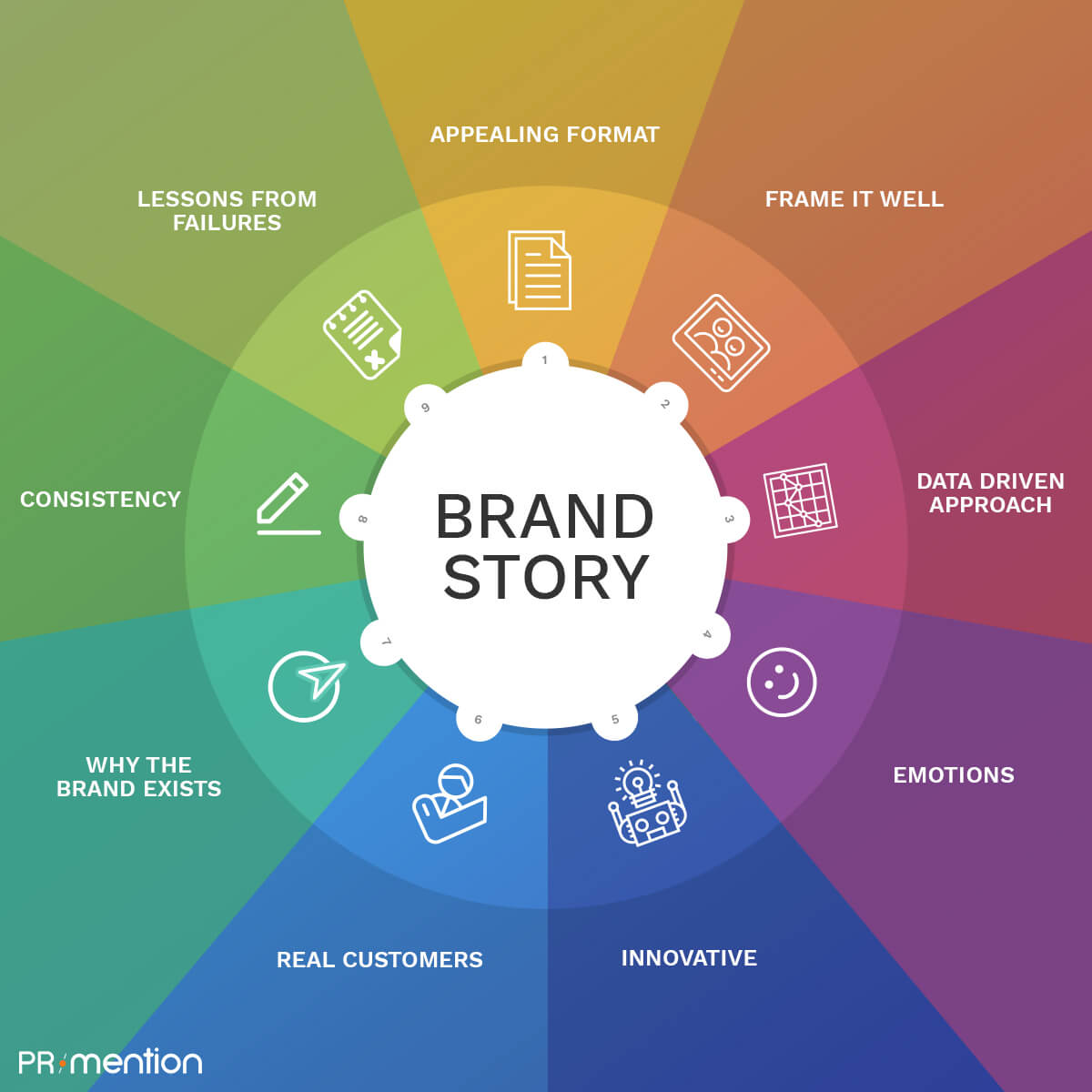
That successful Integration Creates more Engagement and Higher Conversion Rates, ultimately.
Sustainable Brand Growth is supported by an Overall Paid/Organic Strategy.
Together these Two Strategies Create the Cumulative Performance Impact for Social Commerce and eCommerce, Allowing for the Brand to Maintain the Authenticity of Its Digital Branding, While Being Able to Scale Effectively.
The Evolution of Brand Marketing/Digital Branding in Response to Changing Consumer Expectations
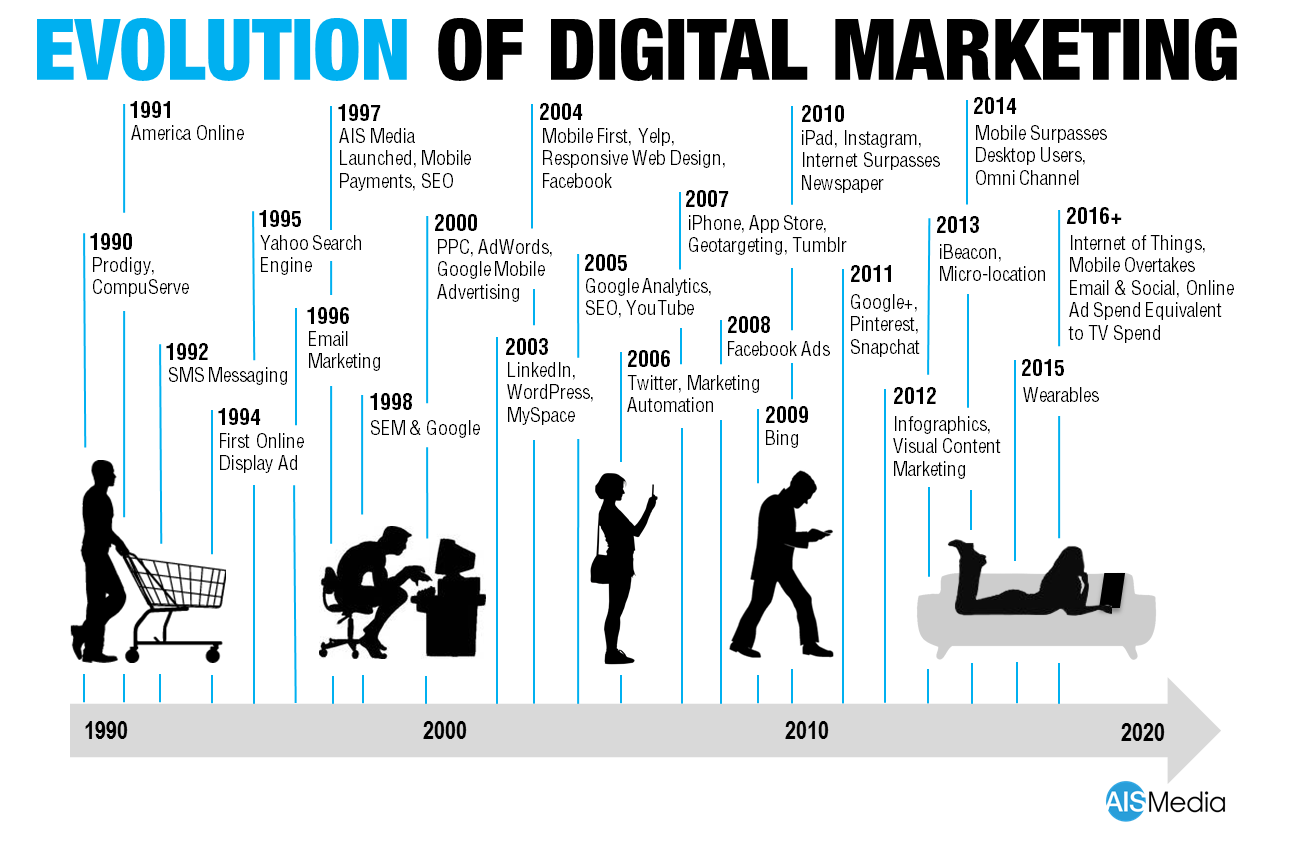
The evolution of technology has changed the way in which Consumers Interact and Use the Internet & Social Media; therefore, These Changes are constantly Evolving.
Customer Expectations are evolving to have Higher Expectations for Speed, Personalization of Service and Transparency from Companies about how they Interact and Operate in the Digital Arena.
Credibility and Ethical Expectations

Companies that do not continue to evolve by Using Digital Branding / Digital Marketing will Lose Their Credibility.
In addition to the Customer’s Expectations mentioned above, Customers Today Have Ethical Beliefs that Dictate What They Would And Wouldn’t want Companies To Do.
Furthermore, Customers also Want an Authentic Experience WITH THE BRAND.
Examining the Importance of Measuring Digital Brand Performance

To effectively measure the digital branding of a company and its impact on social commerce success, companies must establish accurate tracking of digital branding performance.
Companies can identify the most effective messaging for each social channel by measuring the performance of a brand and monitoring engagement, average follower growth, average conversion rate, average customer retention, and monthly customer engagement rate.
By establishing appropriate metrics for measuring digital branding performances, companies can have an accurate assessment of how well the money and energy spent on creating their digital brands are contributing to overall company growth.
KPIs and Data-Driven Decisions

By identifying automated targets throughout the entire company’s use of digital branding through social media, companies can improve their digital branding over time.
Identifying KPIs will enable the brand to know where it stands with respect to the success it has achieved against its goals in regards to its Online Marketing Strategy.
By looking at all of the KPIs identified, a more complete picture of the overall health of the Brand can be established.
The process of measurement also allows Brand Owners to make a better informed decision when determining how to approach their Brand Strategies based on Data, rather than relying on Assumptions or Gut Feelings.
Utilising Insights To Improve Branding Growth

Utilising the Insights gathered from Tracking the Performance of the Brand will allow Brands to define and refine the Messaging, the Content, and the Integration of their Brand Into E-Commerce.
Brands should look to make improvements to their Product Offerings and customer satisfaction levels using the data collected from the Performance of their Brands.
Over time, Tracking the Performance of the Brand will support the Brand’s ability to continue to Grow and be Flexible in Responding to the changes occurring in Social Commerce as a result of the Digital Landscape.
Building a Digital Brand Strategy for the Long-Term Future: Preparing for Success
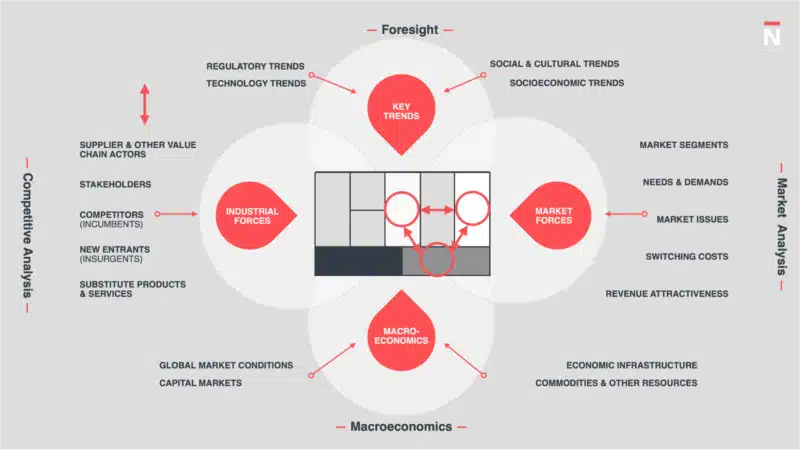
When creating a Digital Branding Strategy that is Focused on Social Commerce, Brands must develop their Digital Branding Strategy in a way that it can be Easily Scaled.
As Brands Continue to Expand to Multiple Platforms and into New Markets, Brands must be Able to Ensure that all Aspects of Branding are Consistent with Each Other.
To do this is necessary for Brands to create Separate Branding Guidelines which will Clarify Future Marketing Campaigns, and ensure their Branding remains Consistent with the Identity that is Already Established.
Scalability and Technology

The Automation Of Integrated Tools And Systems Makes Managing Content, Data, And E-Commerce Operations Efficient While Reducing The Amount Of Manual Involvement Needed To Maintain The Quality Of A Brand, Plus Providing The Tools A Brand Needs To Continue Growing And Succeeding.
Support For Future Brand Growth: A Scalable Strategy Allows For Future Brand Growth By Providing Flexibility.