 by
by Wellness in 2026 is breaking free from superficial fixes and shallow forms of self-care. Now, individuals are seeking to cultivate practices that nurture a clear mind, an emotionally stable state of being, and a regulated physical state at the same time.
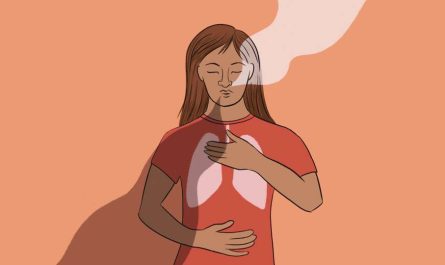
Breathwork Breakthrough in Mainstream Wellness
Breathwork migrated from yoga spaces to daily life as people need efficient physical measures to alleviate stress and reduce tension. Such practices promote normalization, emphasizing that using controlled breathing is a viable activity rather than a way of living.
A number of programs now incorporate emotional management as well as energy management with controlled breathing.
Why Breathwork Feels More Practical Nowadays
Contemporary breathing techniques are designed to accommodate short and repeatable practices in a busy schedule. For example, one can employ box breathing and deep breathing in between breaks at work.
Breathwork fulfills this role by providing immediate nervous system calming to promote long-term habit changes.
Commercial and Clinical Adoption
Corporate wellness programs now even offer sessions on breathing techniques to alleviate burnout and sharpen focus. Even technology firms and technology start-ups often arrange workshops with certified coaches on “breath techniques,” which reflects the general acceptance of this practice.
This physiological process accounts for the legitimacy of the practice among the psychological and medical communities.
Nervous System and Mental Health Links
There is some evidence that practices focusing on breathing can help relieve symptoms of anxiety and mild depression. Through parasympathetic nervous system activation, it can help an individual’s body recover from various states of chronic stress that are a part of modern living.
Most mental health professionals include breathing practices in cognitive therapy as well. This combination assists with emotional awareness and allows patients to act instead of reacting in stressful circumstances.
Physical Health and Recovery
Breath control helps facilitate physical recovery via efficient use of oxygen. Generally, athletes use specific breath control strategies to boost their endurance level and alleviate fatigues after exercises.
Companies like Fitbit, which are now tracking breathing rate for people who wear their devices, remind us how strongly respiration is linked to quantifiable outcomes for our physical health, which can further build faith in the benefits of breath work.
Somatic Practices: The New Approach to Mind-Body Health
Somatic practices emphasize internal body awareness rather than mental analysis. In 2026, these practices will become popular as many individuals feel disassociated with body sensations owing to their computer-related activities.
Somatic practices will be used as they provide information about how individuals experience tension, body position, and small movements.
Why Somatics Appeals to Modern Lifestyles
Somatic exercises come to individuals on their own level physically and emotionally. Techniques like scanning the body and taking a slow stretch help individuals deal with stress without disrupting it through a verbal channel.
This is appealing to those who may not be comfortable with talking as a stress release.
This is part of the reason trauma-informed practitioners often enjoy the somatic approaches, as there is a prioritization of regulation before reflection, which is a current standard in mental health practice.
Integration into Therapy and Wellness Programs
Today, counseling centers and healthy retreats also offer somatic sessions in conjunction with yoga and breathing techniques. This helps connect mind and body without intensity.
With increased awareness, somatic practices are increasingly becoming skills at a foundational level, as opposed to being therapy techniques.
All professionals agree that learning how to sense the body is a key part of successful emotional well-being in 2026.
Neuroscience and the Body: Why Somatic Practices Work
Recent studies in the field of neuroscience have helped to understand the rationale behind the effectiveness of “somatic practices” even in the absence of high mental focus. It has been found that the practices are effective because they enhance the connection between the brain and the body.
This helps reduce fight or flight responses and promotes more relaxed emotional responses.
Researchers from the National Institute of Mental Health report that body-based interventions may be used in addition to other approaches for therapeutic help.
This helps individuals who cannot access their feelings verbally.
Long-Term Emotional Regulation
Because the benefits of this exercise accumulate over time, it is suggested by experts to perform it in short sessions on a daily basis rather than in an intermittent fashion.
This frequency will lend strength to the nervous system.
Workplace and Educational Adoption
There is also an expansion of mindfulness training into educational settings, healthcare services, and workplace training.
Large organizations often collaborate with educational platforms like LinkedIn Learning for mindfulness training programs.
The training programs include courses on awareness of stress levels, attention span, and clear communication skills.
In the realm of education, mindfulness practices are effective in controlling examination stress and managing distractions arising from the internet.
Technology’s Role within Breathwork and Mindfulness Development
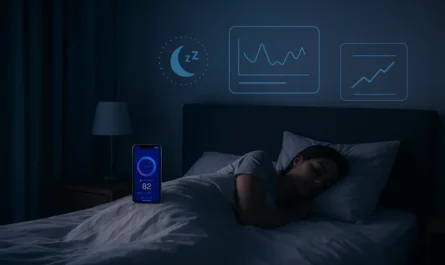
Technology has been a vital force in determining the impact of wellness practices within the year 2026. This is owing to wearable technology and applications like breathwork and biofeedback.
These technologies offer users a chance to use measurable data and have the benefits personalized.
Smart devices have the ability to track breathing rates, heart rates, and stress.
All these enable the user to understand how their daily habits affect their nervous system.
Wearables and Real-Time Feedback
For example, devices such as Apple Watch help individuals by sending them reminders to breathe using guided breathing techniques according to stress-related information.
Digital Balance and Expert Caution
Experts also caution against this. Wellness experts suggest that “data should be used as guidance, not pressure.”
For deeper practices, specialized professionals from various organizations, like the American Psychological Association, indicate that working with different certified instructors would be necessary.
Conclusion
The old idea of breathwork and mindfulness as optional practices for the health-conscious has turned into a necessity, based on scientific research and practical application.
What’s different about this latest trend in wellness is the emphasis on sustainable wellness.
This latest trend avoids “extreme measures.”
Ultimately, with the growth of breathwork, somatics, and mindfulness, it can be said that there is a movement towards more intelligent and humanistic wellness.
In 2026, what it means to be healthy is not defined by strength, but by how well we can manage our lives, stay present, and react to situations with equanimity.