 by
by In 2026, digital detox is an emerging trend that has gained much momentum from being merely a niche wellness buzzword to being a recognized phenomenon that affects how millions of people approach their screen time and mental health. All these notifications, social media content, and other emerging technologies are now not just viewed as conveniences but are regarded as significant stressors and considerations that impact how healthy or un healthy people are.
Studies indicate that the population is becoming increasingly aware of the health implications of excessive screen time. This understanding has brought forth an increased search for digital detox techniques. The search for information about digital detox also serves to be an indicator that many are considering it and are contemplating it for 2026.
According to surveys, many of the consumers are considering going digital detox this year with regard to social media and other screen activities. Moreover, the emergence of “Analogue January” and other approaches related to digital detox that are related to mindfulness champion the argument for the need for digital detox without necessarily rejecting those technologies.
The Significance of Digital Detox as a Major Trend in 2026
Screen Overload – The Increasingly Growing Awareness
Digital overload is not just a phenomenon that can be attributed simply to anecdotal evidence, but is a measurable force. Various research has been conducted that relates digital and device use to anxiety, sleep issues, as well as reduced attention spans, prompting consumers to seriously reconsider their use of technology.
According to recent data collected, there is a increasing share of modern users seeking to take a deliberate hiatus from digital media such as social media and gaming. In addition, wellness experts now see digital detoxing as a prevention strategy for mental wellness, rather than just a fleeting fad.
The Cultural Shift towards Intentional Living
This larger movement now echoes the larger change in people’s aspirations for their lifestyles. Rather than scrolling mindlessly, many people-young adults in particular-are experimenting with ways to find meaning in analog life.
“Analogue lifestyles,” such as physical books and puzzle and hobbying not achieved on digital devices, are on the rise. They are now being perceived as providing psychological relief from virtual worlds and not just as alternative forms of recreation.
Morning & Bedtime Ritual Detox Techniques
Screenless Mornings
Many also put them in a drawer or another space, for instance, while preparing breakfast in order to ensure their presence with their loved ones or with themselves. This small adjustment has been associated with a greater focus on personal priorities as opposed to digital ones.
Screen-Free Evenings for Good Sleep
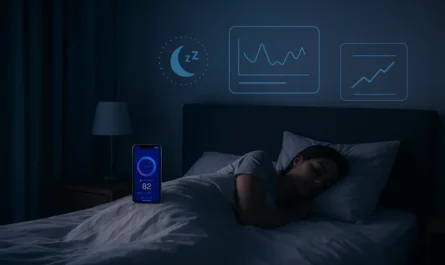
Evenings too are equally important. Instead of going through feeds, more and more people are taking time to focus on other relaxing activities such as taking a warm bath, or reading physical books, or doing some stretching; as such activities have already been proven to help fall asleep smoothly.
Examples of Effective Rituals
- Putting the phone in another room after dinner
- Using old alarm clocks instead of using a smart phone alarm
- Creating your bedtime playlist using offline devices
Tech-Free Zones and Digital Boundaries
Designating Screen-Free Spaces at Home
In 2026, making ‘Tech Free Zones’ at home is one of the desired strategies that are available to reduce digital intrusion. Tech Free Zones, such as dining, bedrooms, or even some corners in a living room, are kept phone, pad, or laptop free.
The idea here is to leave some space where presence and association with each other will be at a peak without any disturbances from phone notifications or alerts. This is being followed by families either to have adequate conversation while eating lunch or dinner or to have adequate sleep while in bedrooms.
Besides physical locations, digital boundary formation also pertains to blocks of time when devices are turned off. Some people might designate particular hours in the course of the day, like when they eat their meals or when they are about to meet their friends, where they make more of an effort to avoid looking at connected devices.
Building Personal Detox Rules
Other rules that make up digital boundaries include turning off non-essential notifications or avoiding access to addictive social sites when one is focusing on work or relaxing. This ensures that there is minimal digital noise that clutters the mind.
There are tools that help do that, and this provides real- life feedback for better engagement with digital technology.
Benefits of Boundaries
- Less distraction during family times
- Improved concentration on work without interruptions
- Lowered digital anxiety and cognitive overload.
Analogue Activities and Mental Balance
Instead, digital habits are being abandoned because of an intensified awareness of how they reduce patience, creativity, and in-depth engagement.
In fact, many wellness experts even propose analog routines as an advisable method for lifestyle change, but not detox – at least, not in the same short-term context.
Why Physical Activities Improve Mental Balance
Unlike the screen-based devices, analogue activities are going to stimulate new cognitive paths in your brain. Thus, writing texts can stimulate memorization and emotions.
Also, it has been found that physical activities can reduce cortisol levels through repetition and all the sensations involved. Individually, these activities can be very useful, and ultimately, analogue activities can be very useful for stress management.
In fact, many users also find that mood improves and attention spans can be strengthened through these activities.
Some Popular Analogue Habits in 2026
The use of vinyl records, film cameras, and printed planners is becoming popular. One would find that many people prefer to avoid all forms of digital media and stick to physical activities.
Indeed, some of these would be very popular habits, such as reading from a physical book, journaling, and learning an art or craft.
Mindful App and Notification Management
Rather than stepping away from it altogether, most individuals have opted to manage their apps. The practice surrounds the removal of noise and the availability of necessary apps.
Here, apps that cause compulsive behaviors are removed, and time slots are created for the use of social networking apps. The current scenario resonates with the much-needed mental clarity.
The control of notifications is an important factor involved in this trend. The disabling of certain, though not so important, notifications contributes to an improved quality of an uninterrupted attention flow during a particular day.
Productivity experts highlight, for example, that a fragmented attention, though being the result of a specific number of notifications, can still lead to increased levels of stress even after dismissing these notifications.
Smart Tools Supporting Digital Balance
For instance, some applications that offer screens on the extent of screen use within devices that can be accessed via a smartphone have been built. These applications help a person develop full awareness regarding the different usage habit developed over a day.
There are also professionals who make use of scheduled focus sessions, in which distracting apps become inaccessible. This creates efficient decision-making and focus.
App Management Technique
People are putting their most-used apps on their screens and hiding their entertainment apps. Some use a rule that allows them to view their social media once or twice a day.
Even something as mundane as activating Grayscale Mode helps minimize visual stimulation in general.
Workplace Digital Detox Practices
The countermeasure against this is a situation where organizations draw boundaries in being digital to enhance productivity without compromising efficiency.
There is also a trend mentioned toward “meeting-free hours,” “email response windows,” and “asynchronous communication.” This allows people not to have to necessarily be plugged in 24/7 and instead allows them to actually get more done and be more effective without distractions.
There are consistent research findings indicating that uninterrupted blocks of time actually improve the quality of production and decision-making.
Employer-Led Detox Practices
Some offices are actually encouraging workers to disable their notifications or their blocks of deeper work. There is more intention being utilized in internal communications, and that includes less non- urgent communication.
There is some modeling going on in offices nowadays, and that includes avoiding emails during non-work hours.
Today, wellness programs are incorporating digital hygiene into their practices. Employees are being taught how to effectively control their screen use without affecting collaboration.
Benefits to Teams and Productivity
Better communication is also noted among teams, as well as a reduction in misunderstandings. There is a positive correlation between healthier digital behaviors and decreased instances of burnout, as well as absenteism.
Family-Centered Digital Detox Routines
Compared to families today, families in 2026 value digital boundaries in family bonding. Families are currently spending quality time using electronic devices, and this is an indication that they plan to have detox programs that will improve their bonding and communication.
This includes device-free meals, offline activities shared among children, and screen time.
Building Consistent Family Rules
Effective media use routines are specific, achievable, and flexible. The family makes a decision about screen time instead of being too restrictive about its use.
This helps build trust within the family and prevents conflicts. The alternatives for engaging in activities instead of screen time may include engaging in other games offline, going for a walk, engaging in hobbies with people around you, etc.
The key is to strive for consistency instead of aiming for perfection.
Long Term Balancing rather than Short Term Cleanse/Detoxification
One of the crucial changes that is taking place in 2026 is the shift from digital detox challenges to a sustainable lifestyle of balance. Experts in this field are telling clients in 2026 to start embracing integrations with digital devices rather than detoxification.
The approach is characterized by understanding that digital devices are a necessity, but a necessity with intentionality. Rather than extreme detox practices, individuals are planning their routines, which are more inclined towards well-being over a long period of time.
This might also involve regular screen detoxes, as well as planning activities for goals to be set while using screens, along with occasional offline detoxes. It avoids feelings of guilt, making detoxification habits more convenient.
Why Sustainable Detox is More Effective
“A certain consistency allows the brain to adapt. Sudden disconnection can cause rebounding overuse. Balanced habits are achievable in today’s lifestyle.”
This also fits in more comfortably with professionalism and social responsibility.
Conclusion
Rather than eschew it altogether, we tried to redefine how we interact with technology through instrumentalism, boundaries, and sustainability. Whether it is from the perspective of analogism to work dynamism to family relationships, there exists a paradigm shift to balance as opposed to either extremity.
As such, these are just some of the trending relationships to technology and life as we gradually shift further and further into the era of being present, being clear, and being sound mindedly present in an increasingly technology-saturated world: to disconnect is no longer just a choice but a necessity.